




Gilt Edge China Plates
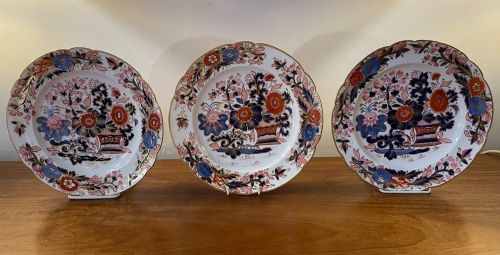
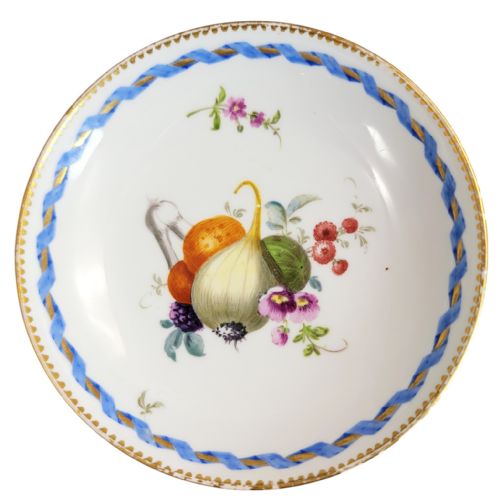
Gilt edge china plates bring brilliant painted scenes and gleaming metallic borders to the table, offering a touch of historic artistry.

Gilt Edge China Plates
When you search for gilt edge china plates, you encounter porcelain and earthenware vessels shaped for service, dessert, or cabinet display. These objects span periods from the eighteenth century through the mid-nineteenth century, extending into Edwardian and later twentieth-century examples.
The most common items on this page are decorative cabinet plates and dessert plates, frequently found individually or in matched sets. They represent British and continental factories, uniting utilitarian forms with elaborate painted and gilded surfaces.
Materials and production methods
Potteries utilised hard-paste porcelain, soft-paste porcelain, bone china, and earthenware as foundations for these items. Artisans shaped these clay bodies into plates, dishes, and saucers before firing them in kilns.
Makers applied enamel paints and gold leaf or gilding by hand to create intricate floral borders, armorial crests, and figurative scenes. Subsequent firings fused the metallic leaf and vibrant pigments permanently to the ceramic glaze.
Gilt Edge China Plates Retail Price Guide 2026
Typical asking prices for gilt edge china plates among the pieces listed under this phrase on Sellingantiques today, from the lower quarter to the upper quarter. They describe what is for sale here now, not the wider market.
Featured forms include cabinet plates, dessert plates, saucers, and soup dishes created by prominent English and European potteries.
Distinctions in quality
The standard of painting determines the desirability of each piece, distinguishing factory-printed motifs from meticulous hand-painted artistry by named artists. Delicacy in brushwork, precision of polychrome enamels, and complexity of floral or armorial subjects elevate an item.
The crispness of the moulded relief and the richness of the gold leaf application further separate standard production from superior work. Preservation of the metallic edge and the integrity of the porcelain body define the overall standard.
Meissen·Sevres·Chantilly·Royal Worcester·Coalport·Chamberlain Worcester·Flight Barr And Barr·Mintons·Royal Doulton
The Gilt Edge China Plates Glossary
- Cabinet plate
- A decorative ceramic dish intended primarily for display rather than dining use. These pieces often feature elaborate hand-painted landscapes, florals, or armorial designs.
- Bone china
- A type of porcelain composed of clay, feldspar, and bone ash, developed in England to create a strong, translucent body. It provides a smooth white ground ideally suited for detailed enamel painting and heavy gilding.
- Soft-paste porcelain
- An artificial ceramic compound fired at lower temperatures than hard-paste porcelain, common in early European factories. It possesses a warm, glassy texture that interacts distinctively with glazes.
- Pate-sur-pate
- A ceramic decoration technique where liquid white clay is built up in successive layers on a coloured body to create a low relief cameo effect. This demanding method produces subtle, translucent sculptural details.
- Imari palette
- A decorative style inspired by Japanese export wares, utilising iron red, underglaze blue, and abundant gold. British potteries frequently adopted this striking colour scheme on early plates.
Gilt Edge China Plates: Frequently Asked Questions
How do I date these plates?
Dating relies on factory marks stamped or painted on the reverse, alongside the style of the ceramic body and the painting technique. Clues such as soft-paste composition or specific Regency and Rococo border motifs help narrow the era of production.
Examining the wear on the foot rim and the chemical composition of the glaze provides further context. Comparing style markers against known factory operating dates secures a reliable timeline.
Were these plates used for dining?
Many examples began as functional tableware for desserts or formal courses, while others were made expressly as cabinet pieces for display. Dessert plates and soup dishes saw active service in wealthy households.
Over time, delicate specimens with extensive gilding transitioned into ornamental objects meant to be showcased in cabinets or on walls rather than handled at the table.
How do I care for antique gilded plates?
These ceramics require gentle hand washing in lukewarm water with mild soap, avoiding abrasive sponges that can wear away the gold leaf. Soft cloths protect the delicate enamels and metallic borders during cleaning.
Storing them in secure plate racks or using padded dividers prevents chipping along the gilded rims. Keeping them away from direct sunlight preserves the vibrancy of the enamel colours.