




Worcester Porcelain Urn
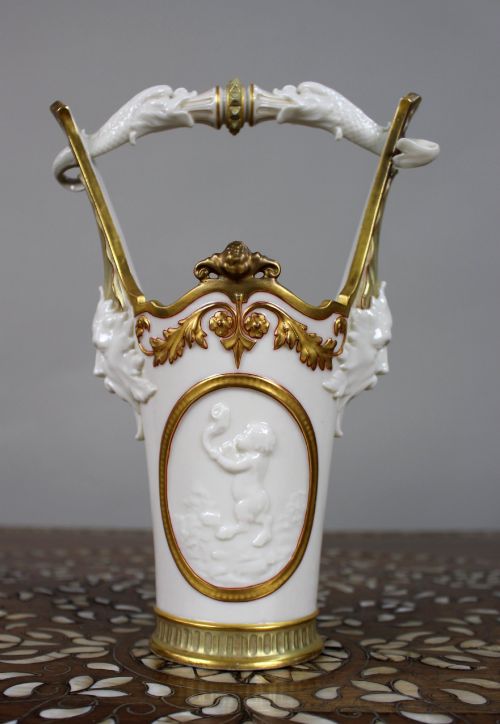
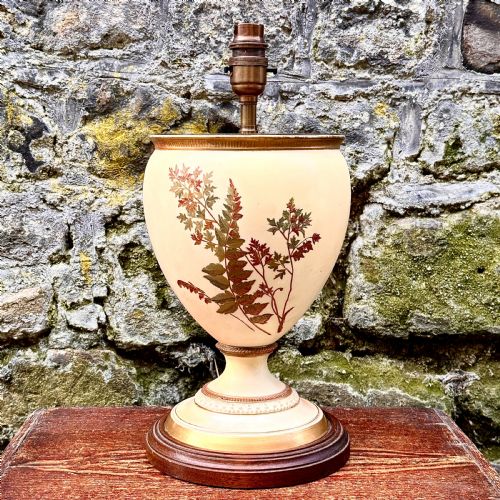
A worcester porcelain urn brings neoclassical dignity to a mantelpiece, combining hand-painted botanical detail with substantial gilded mounts.
Worcester Porcelain Urn
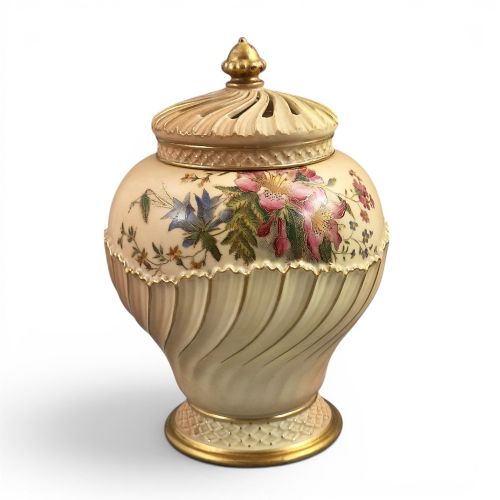
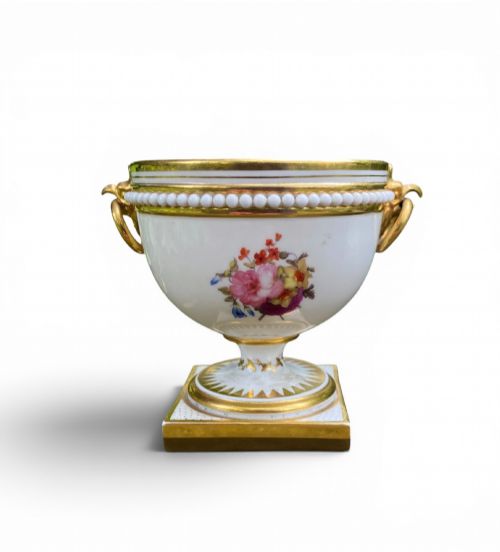
A worcester porcelain urn represents the pinnacle of English ceramic design, originating primarily from the Georgian and Regency periods through to the Edwardian era. These decorative vessels range from grand lidded potpourri jars and ice pails to delicate miniature vases.
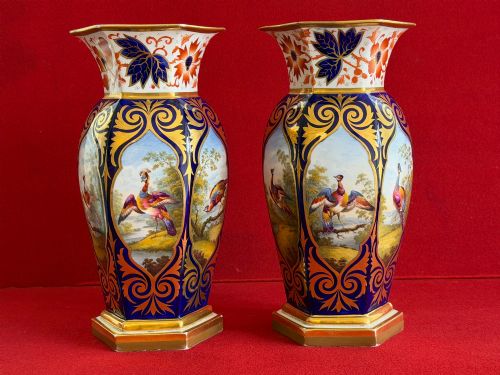
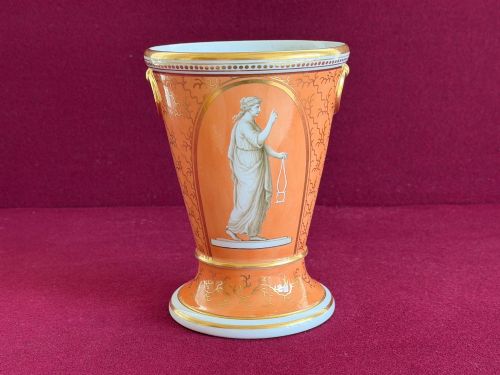
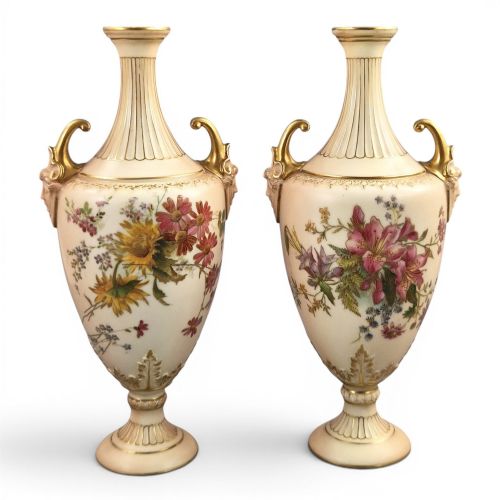
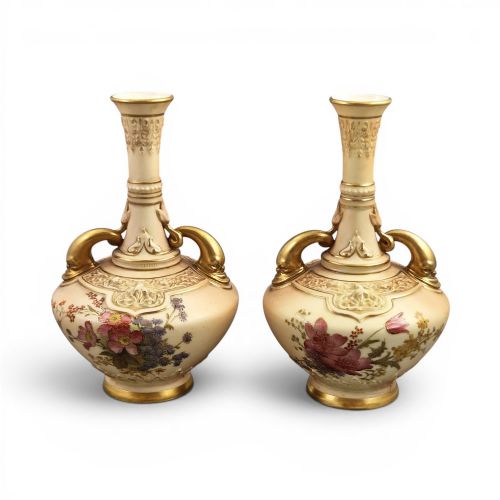
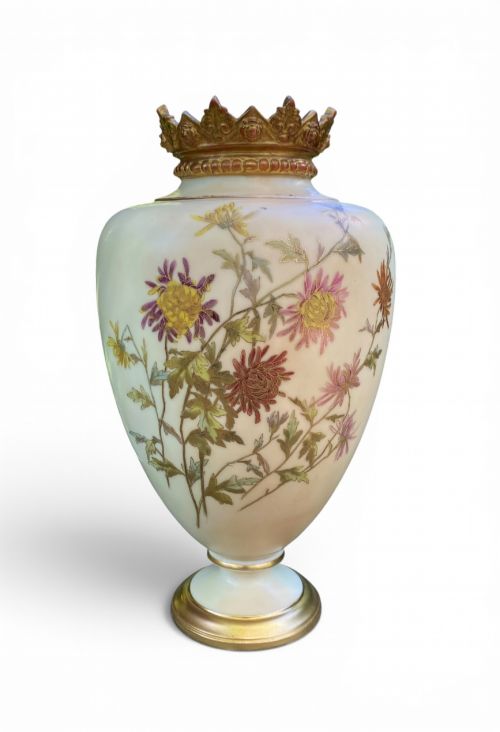
The pieces appearing most frequently stem from the early nineteenth-century partnerships of Flight, Barr and Barr alongside Chamberlain, often showcasing neoclassical shapes influenced by ancient Greek forms. Later Victorian and Edwardian examples introduce blush ivory bodies and naturalistic floral or avian scenes.
Materials and technique
Potters shaped fine porcelain bodies upon the wheel or within complex moulds before applying hand-mixed enamel paint and liquid gold leaf. Skilled artisans then fired these vessels multiple times to fuse the rich cobalt blues, enamel colours, and heavy gilding to the ceramic surface.
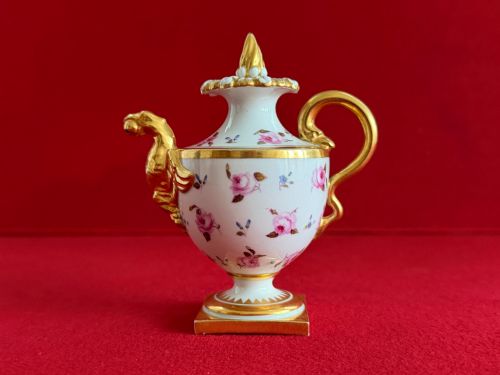
Mounts and handles frequently incorporate cast brass or gilded bronze, while specialised decorators utilised fine brushes to achieve intricate topographical scenes, botanical studies, and gilded highlights.
Listings span from Georgian hand-painted botanical urns to Edwardian blush ivory vases and mid-century fruit-decorated vessels.
Judging execution
Quality rests entirely upon the precision of the hand-painted decoration and the crispness of the porcelain moulding. Master painters such as Thomas Lowe or James Stinton achieved a level of botanical and avian realism that elevates standard decorative wares into museum-grade pieces.
The richness of the gilding and the depth of the enamel work distinguish superior productions from simpler commercial outputs. Pieces bearing specific factory marks or artist signatures command greater attention due to documented provenance.
Flight Barr and Barr·Chamberlain Worcester·Royal Worcester·Hadley's Worcester
The Worcester Porcelain Urn Glossary
- Blush ivory
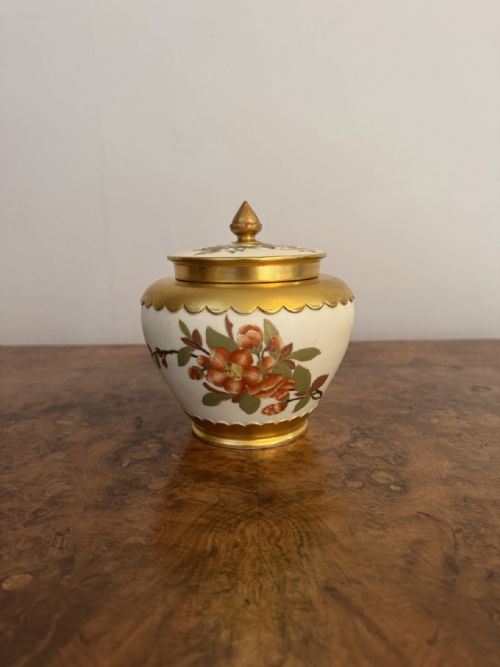
- A soft, matte cream-coloured porcelain ground developed by Royal Worcester in the late nineteenth century. It typically serves as a subtle background for hand-painted floral motifs.
- Gilding
- The application of gold leaf or powdered gold to ceramic surfaces for decorative trim and handles. Higher-quality pieces feature burnished gold that catches the light cleanly.
- Garniture
- A matching set of three or more vases or urns designed to be displayed together on a mantelpiece or sideboard. These sets usually comprise a central taller urn flanked by smaller matching vessels.
- Imari
- A decorative style inspired by Japanese export porcelain utilising a palette of cobalt blue, iron red, and abundant gilt. Worcester factories frequently adopted this aesthetic during the Regency period.
- Jardiniere
- A large ornamental pot or vessel designed to hold potted plants rather than cut flowers. They often feature robust handles and thick walls to support damp soil.
Worcester Porcelain Urn: Frequently Asked Questions
How do I date an early urn?
Examining the factory mark on the underside provides the primary key to dating. Handwritten script marks generally indicate the Georgian or Regency periods, whilst printed crown and circle ciphers point towards the later nineteenth and Edwardian eras.
Style also offers clear clues, as neoclassical urns with gilt handles belong to the early nineteenth century, whereas blush ivory floral pieces align with the late Victorian decades.
Were these urns used for flowers?
Many urns served purely decorative purposes as mantelpiece garnitures or architectural ornaments within grand rooms. Lidded variants often functioned as potpourri jars, designed to release dried scents through pierced covers.
Ice pails and cooler vessels held functional duties during elite dining services before transitioning into display objects. Their robust porcelain construction easily accommodated both practical usage and aesthetic display.
How should I display them safely?
Place urns on stable, level surfaces away from direct foot traffic or edge vibrations. Heavy pedestal bases require solid wooden furniture rather than glass shelves that might flex under weight.
Keep pieces out of direct sunlight to preserve the fugitive enamel colours and delicate gilding over decades. Avoid placing them near active heat sources which can stress aged ceramic bodies.
What does blush ivory mean?
Blush ivory refers to a specialised matte cream glaze introduced by Royal Worcester in the late Victorian period. It mimics the subtle warmth of natural ivory and provides an ideal canvas for hand-painted wildflowers.
This technique required precise temperature control during firing to achieve the signature velvety texture without developing surface blemishes.