



Antique Worcester Porcelain Mug
These antique worcester porcelain mug examples span delicate eighteenth-century chinoiserie cups to later Victorian and Edwardian tankards, bringing centuries of ceramic history straight to your tea table.
Antique Worcester Porcelain Mug
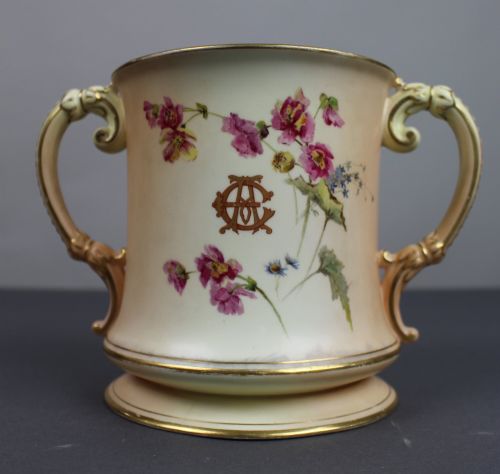
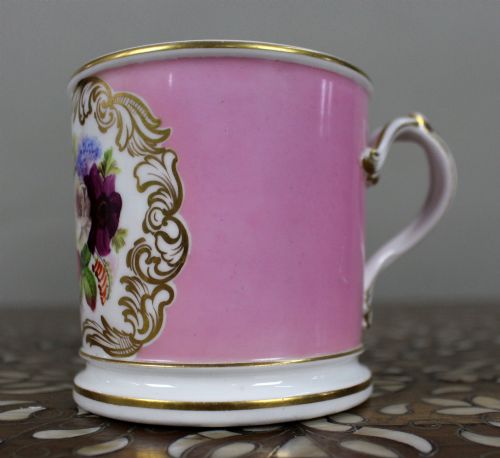
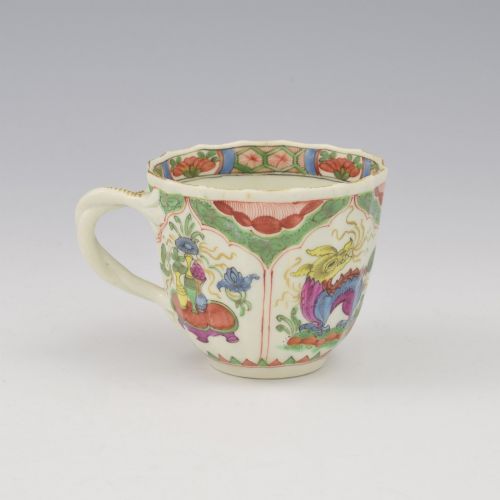
When you search for an antique worcester porcelain mug, you are looking at items ranging from early soft-paste coffee cups to later Victorian and Edwardian tankards, loving cups, and miniature tygs.
The pieces you are most likely to meet on this page include eighteenth-century examples decorated with Mandarin patterns, fancy birds, and Pillement designs alongside nineteenth and twentieth-century commemorative or cabinet pieces.
Forms cross standard tea and coffee vessels, taking in mugs, tankards, and loving cups produced across Georgian, Victorian, and Edwardian periods.
How they were made
Makers utilised soft-paste porcelain during the early periods, shaping pieces by hand and wheel before applying cobalt glaze underglaze or painting detailed scenes over the glaze.
Decoration relied on meticulous hand-painting using enamel colours, wet blue grounds, and gold leaf gilding to highlight floral motifs, figures, and birds.
Antique Worcester Porcelain Mug Retail Price Guide 2026
Typical asking prices for worcester porcelain mug among the pieces listed under this phrase on Sellingantiques today, from the lower quarter to the upper quarter. They describe what is for sale here now, not the wider market.
Miniature tygs offer all the communal drinking tradition of a Tudor tavern condensed down to ornamental cabinet size.
What varies in quality
The standard of painting sets individual pieces apart, separating hurried factory output from the careful brushwork seen on detailed Chinoiserie and fancy bird compositions.
The application of gold leaf and the richness of enamel or cobalt glaze grounds also divide standard wares from finer cabinet items.
Grainger Worcester·Dr Wall·Royal Worcester·Hadley Worcester
The Antique Worcester Porcelain Mug Glossary
- Soft-paste porcelain
- A vitreous ceramic body fired at lower temperatures than hard-paste porcelain, common in eighteenth-century English factories. It gives early pieces a characteristic warm translucency.
- Wet blue
- A rich cobalt blue ground colour applied in a liquid state before glazing. It created a deep, mottled background popular on eighteenth-century tableware.
- Chinoiserie
- European interpretations of Chinese and East Asian artistic traditions. These designs feature imaginary landscapes, figures, and pavilions.
- Loving cup
- A large drinking vessel equipped with two or three handles, designed to be passed between guests. They frequently appear in later ceramic production.
- Tygs
- A traditional English multi-handled drinking vessel intended for communal use. Miniature versions appear in later twentieth-century manufacturing.
Antique Worcester Porcelain Mug: Frequently Asked Questions
How do I identify a First Period piece?
First Period pieces date to the eighteenth century under the enterprise founded by Dr Wall. They typically feature soft-paste bodies and characteristic hand-painted blue and white or polychrome decoration.
Look closely at the paste and glaze under magnification to spot the subtle differences between these early items and later nineteenth-century revivals.
What is a loving cup used for?
Loving cups were communal drinking vessels featuring multiple handles so that several people could hold the cup safely while sharing its contents. They often marked special occasions or celebrations.
In domestic settings today, these vessels serve as decorative cabinet pieces rather than functional tableware.
Are miniature tygs rare?
Miniature tygs represent smaller decorative versions of traditional multi-handled drinking vessels produced by factories in the early twentieth century. Their small scale made them popular cabinet ornaments.
While smaller in size, they share the decorative hand-painted qualities of their larger counterparts.
What does wet blue mean?
Wet blue refers to a distinctive cobalt blue ground colour applied evenly across the surface of the porcelain before glazing. Factories used this technique to create a rich backdrop for gilded panels.
This background colour is a notable indicator of eighteenth-century Worcester aesthetic preferences.