

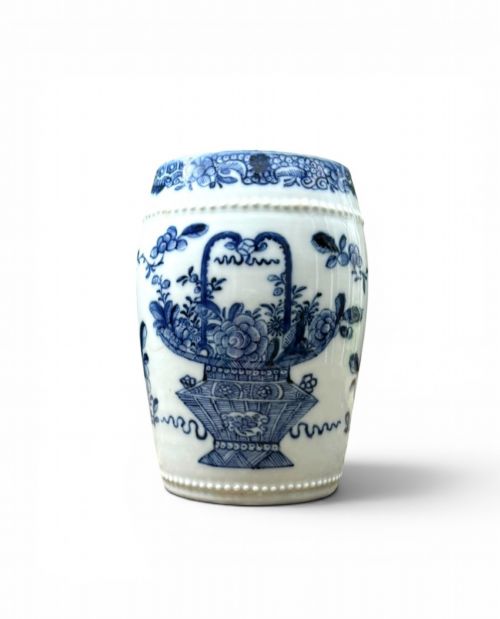


Antique Chinese Porcelain Mug
These antique chinese porcelain mug examples offer drinking vessels formed in porcelain, earthenware, and soft-paste porcelain during the eighteenth and nineteenth centuries.
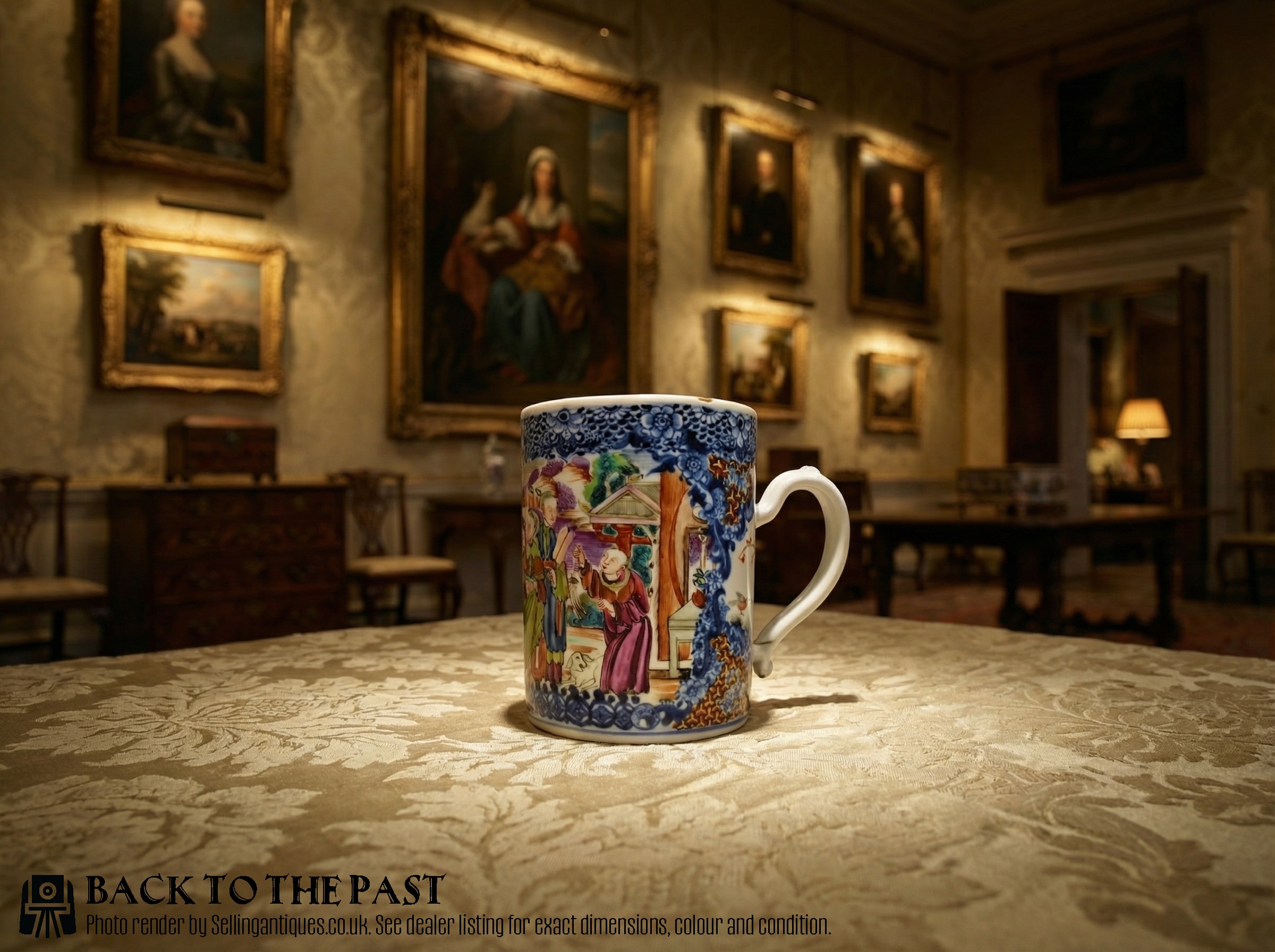
Antique Chinese Porcelain Mug
When you search for an antique chinese porcelain mug, you encounter drinking vessels originating primarily in the eighteenth century during the Qianlong period. These pieces span forms such as barrel shaped mugs, large tankards, and coffee cups.
The pieces on this page demonstrate the enduring appeal of imported oriental ceramics adapted for European drinking habits. Collectors typically find both blue and white cobalt underglaze examples and brightly decorated polychrome wares.
How they were made
Potters shaped these items from porcelain, soft-paste porcelain, and earthenware, often forming robust tankards and barrel shapes designed for heavy use. Cobalt underglaze was applied before firing to create deep blue designs beneath the vitreous coating.
Enamel and gold leaf adorn the surfaces of Famille Rose and Famille Vert pieces, requiring multiple firings to fix the polychrome pigments. Imari palettes combine underglaze blue with iron red and gilt highlights directly on the hard-paste body.
Antique Chinese Porcelain Mug Retail Price Guide 2026
Typical asking prices for chinese porcelain mug among the pieces listed under this phrase on Sellingantiques today, from the lower quarter to the upper quarter. They describe what is for sale here now, not the wider market.
Listings feature eighteenth and nineteenth century items produced in porcelain, soft-paste porcelain, and earthenware with cobalt underglaze, enamel, and gold leaf.
What varies in quality
The refinement of the ceramic body and the precision of the potting distinguish standard wares from exceptional examples. Thinner, more translucent porcelain indicates greater technical skill in the kiln.
The crispness and complexity of the enamel painting determine the visual merit of each vessel. Hand-painted details executed with fine brushwork carry more artistic weight than repetitive or hurried decoration.
The Antique Chinese Porcelain Mug Glossary
- Cobalt Underglaze
- A blue pigment applied to the raw ceramic body before glazing and firing at high temperatures. This technique ensures the colour remains permanent and protected beneath the glassy surface.
- Soft-paste Porcelain
- A ceramic material composed of clay mixed with ground glass and other substitutes, fired at lower temperatures than true hard-paste porcelain. It possesses a warmer tone and a distinctive texture.
- Chinese Export
- Porcelain manufactured in China specifically for the Western market during the Qing dynasty and earlier periods. The shapes often replicate European silver or ceramic forms.
- Famille Rose
- A palette of opaque enamels dominated by pink or rose colours, introduced during the Qing dynasty. This style gained immense popularity across eighteenth century European households.
- Imari
- A style of decoration originating in Japan and later copied in China and Europe, featuring underglaze blue, iron red, and gold. The rich colour combination creates a striking visual contrast.
Antique Chinese Porcelain Mug: Frequently Asked Questions
How were antique chinese porcelain mugs used?
These vessels served as drinking containers for beer, ale, or hot beverages in eighteenth and nineteenth century households. Their sturdy handles and thick walls made them practical for daily dining tables.
Over time, many of these pieces transitioned from functional tableware into decorative display items. Collectors today appreciate them for their historical utility and artistic merit.
What periods do these porcelain mugs come from?
The pieces available span the eighteenth and nineteenth centuries, with a strong concentration in the seventeen hundreds during the Qianlong period. Earlier examples from the seventeen hundreds often feature Imari palettes or cobalt underglaze.
Later nineteenth century items reflect continued European fascination with Chinoiserie designs. Dating relies on stylistic cues, paste composition, and the specific decorative palette employed.
What is the difference between Famille Rose and Famille Vert?
Famille Rose relies on an opaque pink or purple enamel derived from colloidal gold, introduced during the Qing dynasty. This palette allowed for subtle gradations of tone in floral and figural scenes.
Famille Vert uses a dominant green enamel alongside iron red, yellow, and blue. This earlier palette creates a brighter, more vibrant appearance across the porcelain body.
How do I care for an antique porcelain mug?
Wash the piece gently by hand using lukewarm water and mild soap when cleaning is necessary. Avoid abrasive sponges or harsh detergents that might damage the delicate enamel or gold leaf.
Display the mug in a stable location away from direct sunlight and sudden temperature shifts. Proper placement protects the fragile ceramic body from accidental chips or structural stress.