



Blue Orange Imari Plate
A blue orange imari plate brings together rich cobalt and iron-red pigments on porcelain, offering a striking display for any table or wall.
Blue Orange Imari Plate
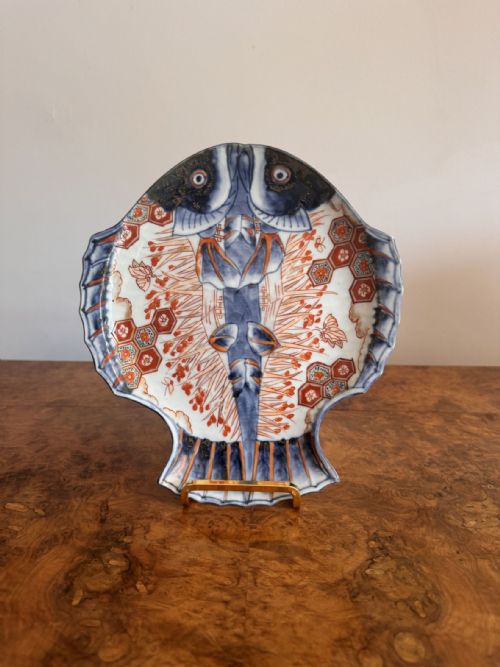
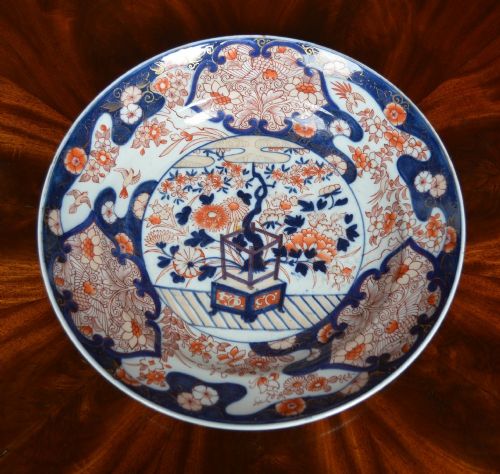
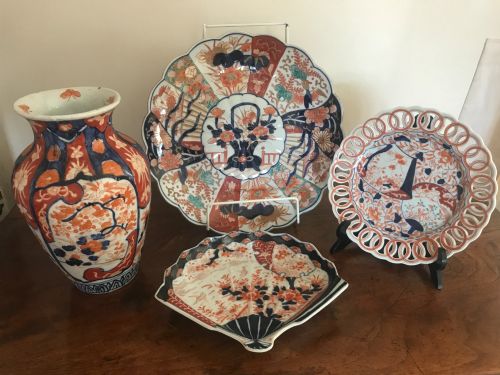
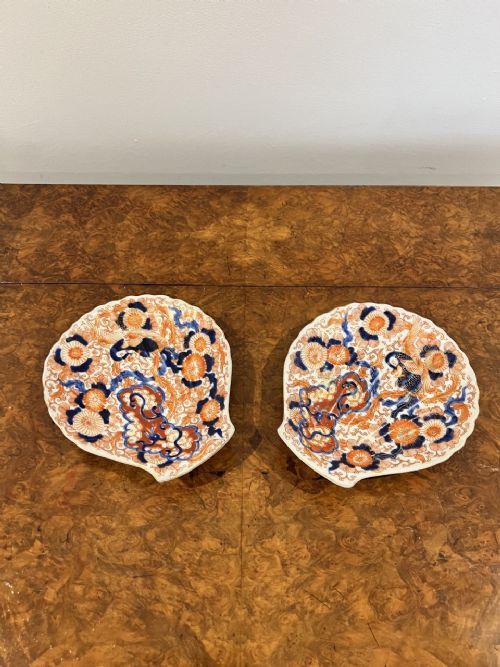
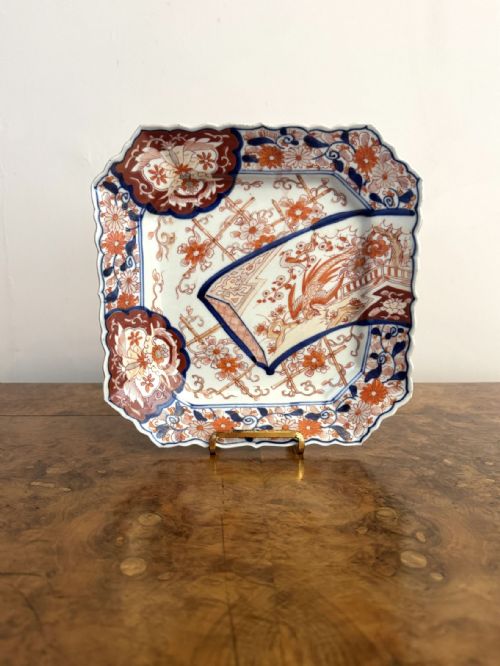
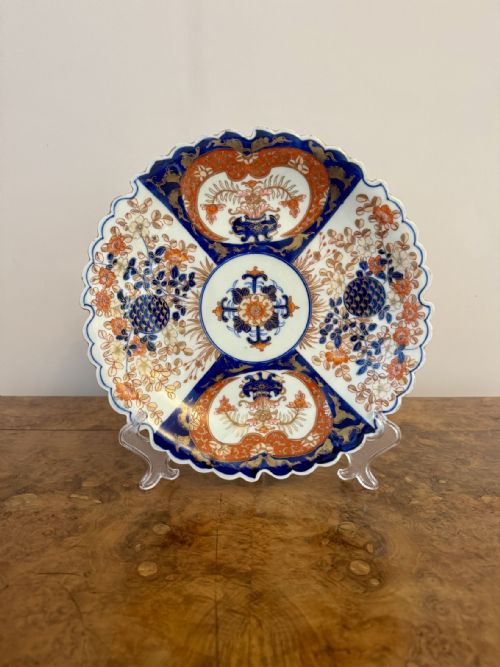
A blue orange imari plate represents a distinct tradition of decorated ceramics spanning several centuries. The selections found here range from circular dishes to shaped examples such as fans, shells, and fish.
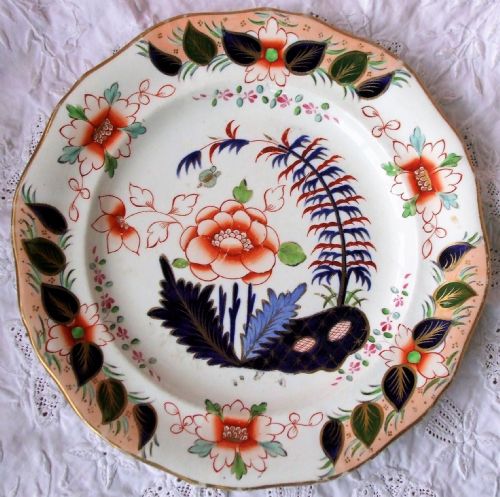
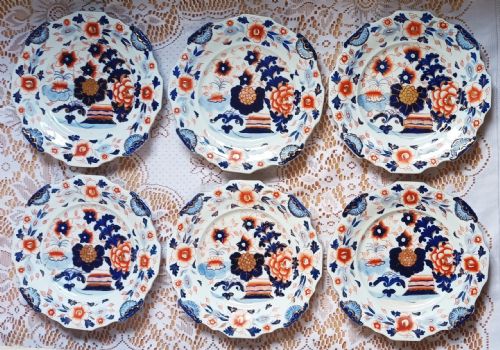
Most pieces on this page originate from Japanese workshops of the Meiji period and the year 1900, alongside earlier Chinese exports and English ironstone interpretations. Buyers encounter everything from small individual dishes to large chargers designed for display.
The aesthetic relies on a structured palette of deep cobalt blue and vibrant iron red, frequently heightened with gilding. These works bridge traditional Eastern ceramic artistry and European decorative tastes of the Georgian and Victorian eras.
Materials and Techniques
Potters formed these pieces using fine porcelain or dense ironstone ceramic, shaping them on a wheel or pressing them into moulds for specialised contours. Artisans then applied underglaze blue cobalt and overglaze iron-red enamel by hand.
Gold leaf and gilding were frequently added to accent specific motifs within the design. Firing in kilns set the durable glaze and fixed the contrasting enamel colours to the ceramic body.
Blue Orange Imari Plate Retail Price Guide 2026
Typical asking prices for blue orange imari plate among the pieces listed under this phrase on Sellingantiques today, from the lower quarter to the upper quarter. They describe what is for sale here now, not the wider market.
Listings feature ceramics spanning multiple centuries, from early eighteenth-century Edo pieces to late Victorian and Edwardian works.
Factors of Quality
The refinement of the hand-painted brushwork dictates much of the distinction between standard items and superior examples. Crisp linework in the cobalt and precise placement of the iron-red enamel indicate skilled studio production.
Preservation of the surface decoration and any applied gold leaf remains central to the standing of a piece. Unusual forms, such as ribbon, fan, or fish shapes, demonstrate greater ambition from the potter than standard circular plates.
John Davenport of Longport·Masons
The Blue Orange Imari Plate Glossary
- Imari
- A style of ceramic decoration originating in Japan, characterised by a palette of cobalt blue, iron red, and gilt. The name derives from the port from which these wares were shipped to Europe.
- Charger
- A large decorative plate or dish intended primarily for display on a wall or sideboard rather than for dining use. These often feature the most elaborate painted scenes.
- Ironstone
- A heavy, durable type of ceramic developed in England as a tough alternative to porcelain. It readily accepted colourful enamel patterns inspired by imported wares.
- Meiji Period
- The era of Japanese history lasting from 1868 to 1912, noted for a significant output of fine porcelain and decorative arts for international export.
- Gilding
- The application of gold leaf or powdered gold paint to ceramic surfaces. It highlights borders and central motifs within the overarching design.
Blue Orange Imari Plate: Frequently Asked Questions
How do I display a charger?
Large chargers are typically shown using sturdy wall hangers or mounted on dedicated plate stands for a sideboard. Their generous diameters allow the painted details to serve as a strong focal point in a room.
Ensure any wall mounting hardware is rated to support the weight of dense ceramic or porcelain safely.
Can these plates be used for food?
While historic pieces were functionally designed for dining, antique examples featuring delicate overglaze enamels and gilding are best reserved for display. Hand washing preserves the fragile iron-red and gold pigments from premature wear.
Modern daily use can damage the historical surface decoration built up over centuries.
How do I date an imari piece?
Dating relies on examining the ceramic body, glaze characteristics, and the style of the painted motifs. Japanese Meiji pieces often feature crisply rendered cobalt and enamel, while eighteenth-century examples show different potting weights and foot rings.
English interpretations from the Georgian and Victorian eras utilise ironstone bases stamped or patterned in imitation of the Eastern originals.
What is Japanese imari ware?
Japanese imari ware refers to porcelain manufactured in the town of Arita and exported through the port of Imari. These ceramics became famous in Europe for their vibrant use of underglaze blue and contrasting red enamel.
Over subsequent centuries, European potteries produced their own versions of this enduring aesthetic.