


Antique Export Porcelain Saucer
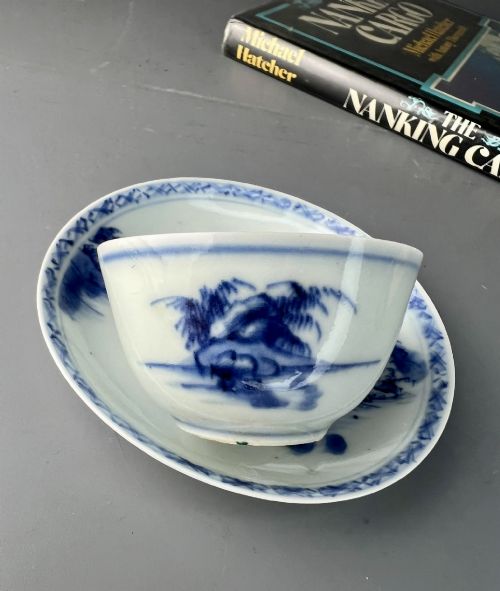
These antique export porcelain saucer pieces bring global trade history to a tea table, offering intricate hand-painted detail and durable ceramic bodywork.
Antique Export Porcelain Saucer
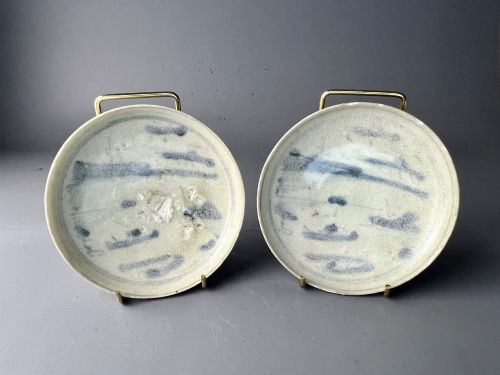
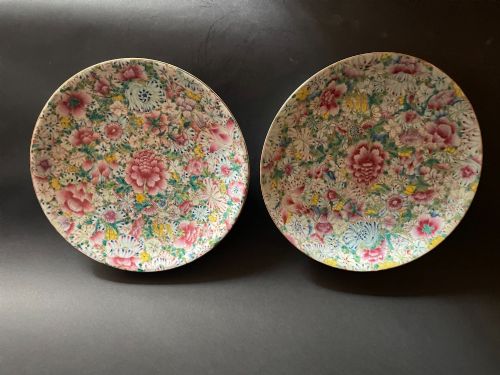
When you search for antique export porcelain saucer pieces, you encounter items shaped by centuries of trade between Asia and the West. The selection here spans periods from the seventeenth century through to the early twentieth century, incorporating styles such as Qing Dynasty, Ming Dynasty, and Georgian Chinoiserie.
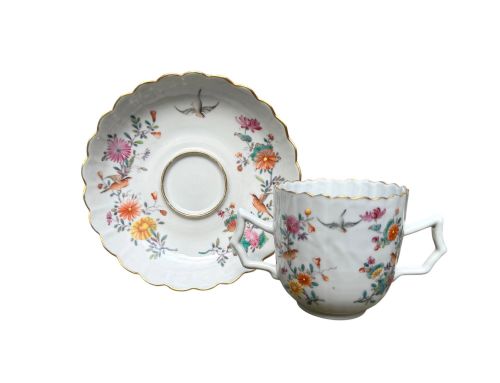
Most items you meet on this page take the form of individual saucers, deep saucer-dishes, or paired tea bowls and saucers. These ceramic pieces reveal diverse cultural influences, appearing in traditional Chinese export designs as well as Japanese Satsuma and Taisho period creations.
Materials and production methods
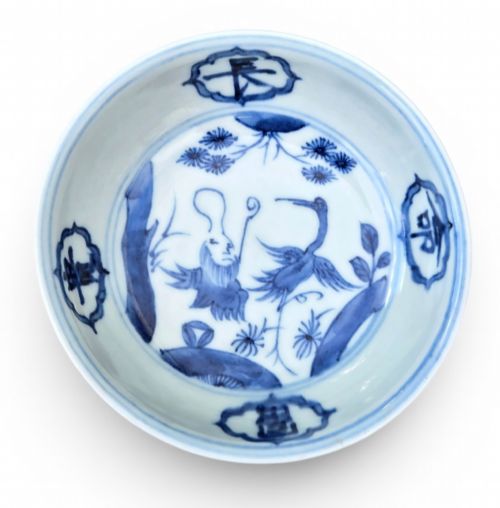
Makers utilised porcelain and soft-paste porcelain as the primary ceramic body for these vessels. Cobalt blue underglaze provided the foundation for classic blue and white decoration.
Artisans applied enamel, gold leaf, gilt, and gold gilt over the glaze to enrich the surface. Hand painting brought intricate scenes and motifs to life across the porcelain body.
Listings feature items spanning the 17th, 18th, and 19th centuries, alongside early 20th-century pieces from the Taisho period and 1930.
Distinctions in quality
The refinement of the painted detail separates ordinary items from superior examples. Skilled brushwork in famille rose or cobalt glaze creates depth and clarity.
The application of gold leaf or gilt accents shows varying degrees of precision. Body composition and the purity of the porcelain glaze also influence the overall finish.
Taniguchi
The Antique Export Porcelain Saucer Glossary
- Porcelain
- A white vitrified ceramic material made by heating clay, such as kaolin, to high temperatures. It is known for its strength and translucent quality.
- Cobalt Blue Underglaze
- A blue pigment applied to the ceramic body before glazing and firing. It withstands high temperatures without losing colour.
- Famille Rose
- A palette of opaque enamel colours dominated by pink or rose, introduced in the Qing dynasty. It allowed for nuanced shading in painted scenes.
- Soft-paste Porcelain
- A ceramic material containing ground glass or frit, fired at lower temperatures than hard-paste porcelain. It has a slightly softer body and warm glaze.
- Gold Leaf
- Gold beaten into extremely thin sheets, used for gilding surfaces. It adds reflective highlights to ceramic decoration.
Antique Export Porcelain Saucer: Frequently Asked Questions
What is an export porcelain saucer?
An export porcelain saucer is a small ceramic dish manufactured in Asia specifically for trade and sale to Western markets. These pieces often feature decorative motifs tailored to European tastes while maintaining traditional craftsmanship.
You find them in various forms, from simple blue and white tea wares to elaborately enamelled sets created during the Qing Dynasty.
How do I care for antique porcelain?
Care for antique porcelain requires gentle handling and hand washing in lukewarm water with mild detergent. Avoid harsh scrubbers, dishwashers, and sudden temperature changes to protect the delicate glaze and any gold gilt.
Store pieces securely on flat surfaces, using padded dividers between stacked saucers to prevent surface scratching and edge chipping.
Are these saucers meant for daily use?
These saucers are primarily intended for display and gentle collection rather than heavy everyday dining. Their age and historic enamel or gold leaf decoration make them vulnerable to modern wear and tear.
Using them occasionally for special tea gatherings is acceptable if handled with care, but most collectors prefer to showcase them in cabinets.
How can I tell the period?
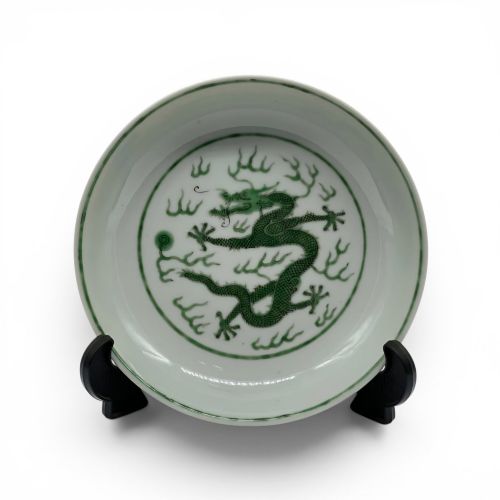
Dating these pieces involves examining the painting style, palette, ceramic body, and any stylistic markers associated with dynasties like the Qing or Ming. Specific motifs, such as Mandarin palette scenes or green dragon patterns, often point to particular decades.
Comparing the glaze characteristics and manufacturing traits helps narrow down the production era from the seventeenth century onward.