


Chinese Porcelain Saucer Dish
A chinese porcelain saucer dish brings centuries of kiln artistry to your table, offering delicate forms painted in cobalt glaze or vibrant enamel.
Chinese Porcelain Saucer Dish
A chinese porcelain saucer dish is a shallow vessel created for tea service, display, or table use, originating from various periods including the seventeenth, eighteenth, and nineteenth centuries.
You will encounter pieces representing styles such as Chinese Export, Qing Dynasty, and Ming Dynasty, alongside related forms like tea bowls and decorative plates.
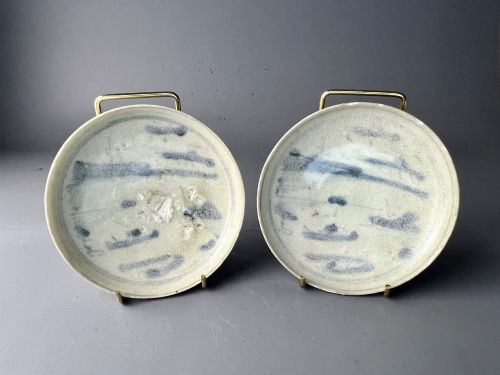
The selections span from early celadon glazed fish dishes to intricately painted mandarin palette tea bowls and saucers.
Materials and Techniques
Potters utilised porcelain and soft-paste porcelain as the primary body, shaping ceramic pieces that were then finished with cobalt glaze, enamel, or celadon glaze.
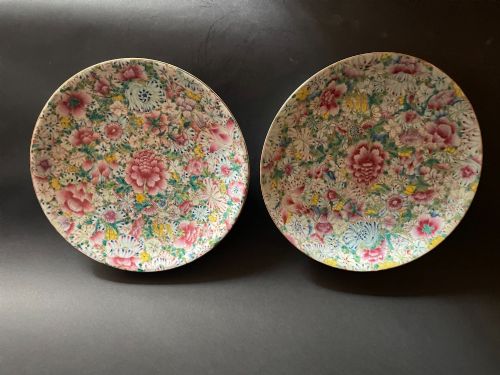
Surface decoration frequently incorporated hand-painted designs, sometimes enhanced with gold gilt or gilt details to highlight imperial and auspicious motifs.
Twin fish motifs swim across celadon surfaces, bringing ancient rivers directly into your modern dining room.
Factors of Quality
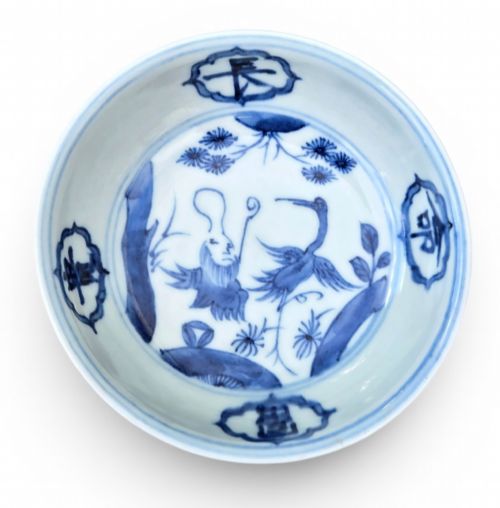
The refinement of the porcelain body and the precision of the hand-painted cobalt glaze or enamel work separate standard items from superior examples.
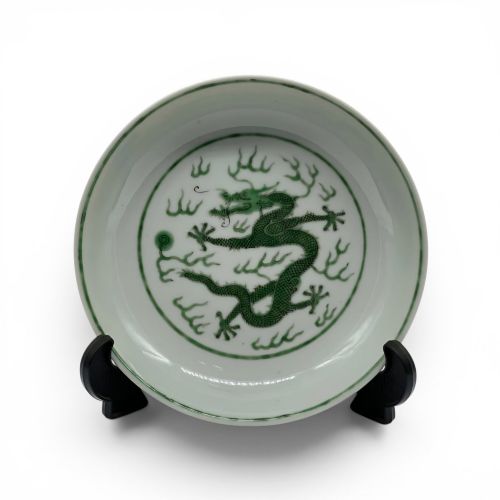
The clarity and complexity of the design, such as dragon motifs or multi-coloured auspicious scenes, dictate the artistic merit of each dish.
The Chinese Porcelain Saucer Dish Glossary
- Celadon Glaze
- A transparent pale green glaze applied to porcelain, often showing subtle crackles in the finish. This glaze type has a long tradition in Asian ceramics.
- Cobalt Glaze
- A blue mineral pigment applied under the glaze before firing to create vivid blue and white designs. It withstands high kiln temperatures without losing definition.
- Chinese Export
- Porcelain manufactured in China specifically for the Western market from the seventeenth to the nineteenth century. These wares combined Eastern ceramic techniques with shapes desired by European buyers.
- Soft-paste Porcelain
- A ceramic material composed of white clay mixed with glass frit, fired at lower temperatures than hard paste. It possesses a warm tone and a slightly softer surface.
Chinese Porcelain Saucer Dish: Frequently Asked Questions
What were Chinese porcelain saucer dishes used for?
These dishes served practical roles in tea drinking and dining, often paired with tea bowls to catch drips or hold delicate morsels. Many examples also functioned as decorative display pieces in elite households.
Over time, collectors and owners appreciated them as much for their artistic merit as for their utility at the table.
How do I tell different periods apart?
Dating relies on examining the painting style, the characteristics of the cobalt or enamel colours, and the composition of the ceramic body itself. Qing Dynasty and earlier pieces show distinct potting techniques and glaze formulations.
Reference marks and stylistic traits associated with reigns like Qianlong provide further clues to a dish's age and origin.
How do I live with antique porcelain?
Displaying these dishes securely in cabinets or on specialist stands protects them from accidental knocks while allowing their hand-painted details to be enjoyed daily. Gentle cleaning with warm water and mild soap preserves the delicate enamel and gilt.
Avoid harsh chemical cleaners or sudden temperature changes to keep the ceramic material stable over the years.
What is Mandarin palette decoration?
Mandarin palette refers to a polychrome enamel scheme popular on eighteenth-century export porcelain featuring domestic and court scenes. These vibrant compositions often include figures in gardens or pavilions surrounded by floral borders.
The style was tailored for European tastes while maintaining traditional Chinese painting techniques.