


Georgian Ceramic Teacup
When you search for a georgian ceramic teacup, you look for delicate porcelain or creamware pieces designed for eighteenth and nineteenth century tea tables.
Georgian Ceramic Teacup
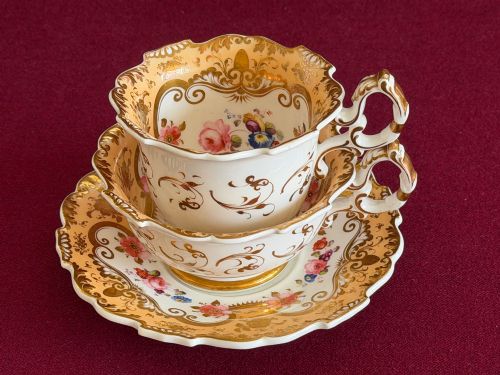
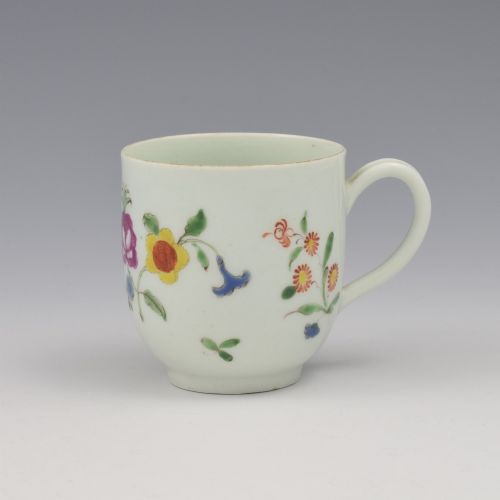
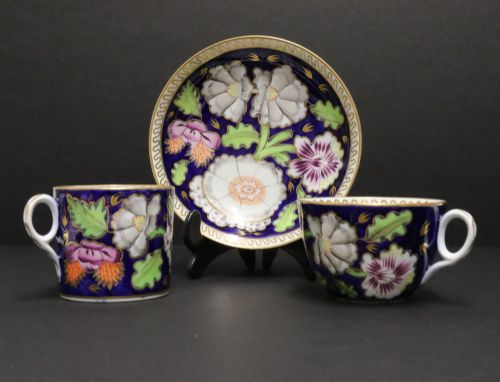
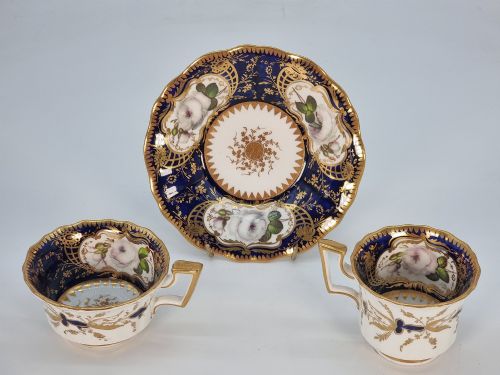
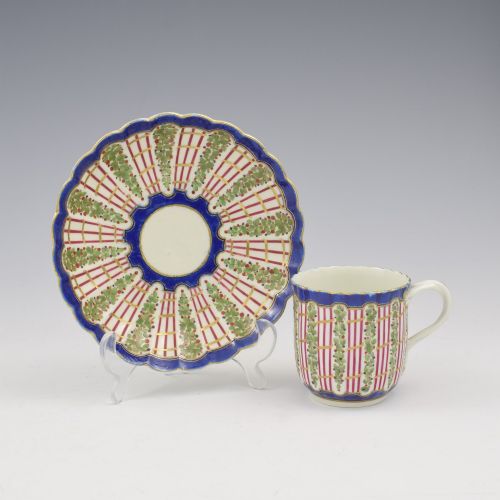
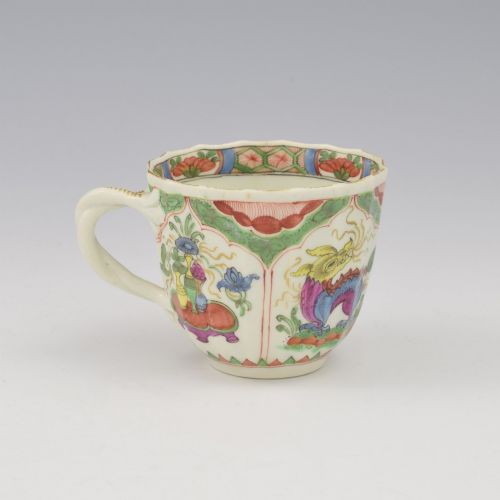
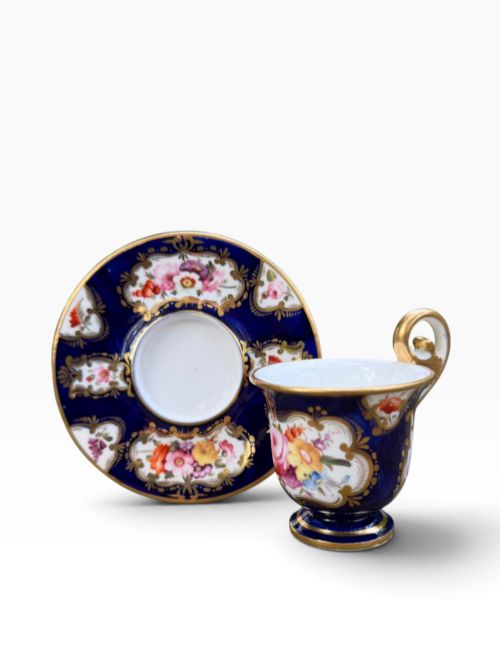
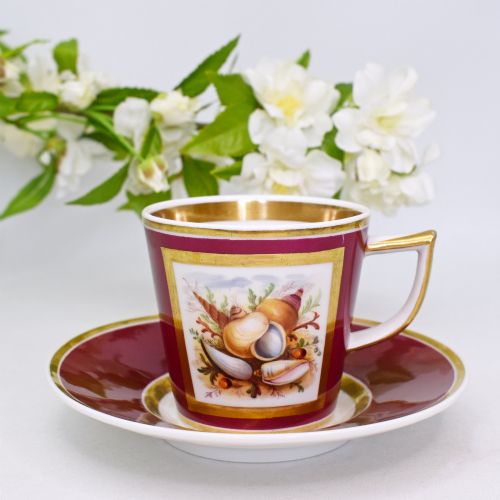
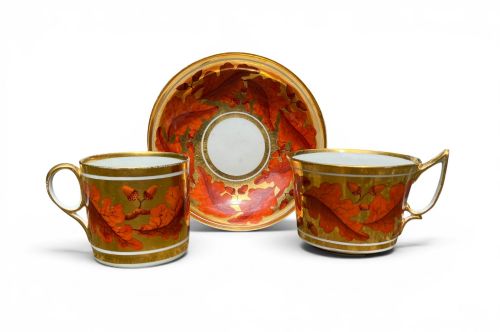
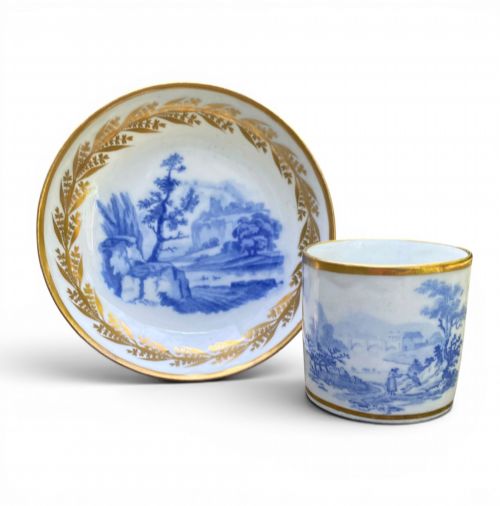
A georgian ceramic teacup on this page typically appears as a teacup and saucer, tea bowl, coffee cup, or cabinet trio dating from the eighteenth century into the nineteenth century. These vessels reflect the social rituals of tea drinking during the Georgian and Regency periods.
The selection includes tea bowls and saucers without handles alongside handled teacups and coffee cans. Makers ranged from regional potteries to prominent porcelain works operating across England.
Materials and Techniques
Potters utilised porcelain, soft-paste porcelain, bone china, and creamware to form these vessels. Decoration frequently incorporated hand-painted enamels, gilding, and gold leaf alongside transfer printing.
Many items display refined potting techniques such as fluting, moulded bodies, and intricate Chinoiserie or floral patterns applied during manufacture.
Listings feature porcelain, bone china, creamware, and soft-paste porcelain across the eighteenth and nineteenth centuries.
Quality and Execution
The standard of a georgian ceramic teacup depends upon the crispness of the moulding, the fineness of the ceramic body, and the skill of the hand-painting. Pieces from established factories often show superior gilding and more complex enamel palettes.
Collector interest is guided by the preservation of delicate painted details, the clarity of glazes, and whether pieces survive as complete trios or matched sets.
Richard Chaffers·John Rose·Yates Leeds·New Hall·Flight Barr And Barr·Davenport·Spode·Minton·Lowestoft·Chamberlain Worcester
The Georgian Ceramic Teacup Glossary
- Tea bowl
- A handleless drinking vessel used for tea during the eighteenth century. These typically sit alongside a matching saucer.
- Cabinet trio
- A matching set comprising a teacup, coffee cup, and saucer designed for display in a cabinet rather than everyday use.
- Soft-paste porcelain
- An artificial porcelain composition fired at lower temperatures than hard-paste, common in eighteenth-century English factories.
- Gilding
- The application of gold leaf or gold paint to ceramic surfaces for decorative borders and highlights.
Georgian Ceramic Teacup: Frequently Asked Questions
How do I use an antique teacup?
These delicate ceramic pieces are primarily intended for display or careful handling during special occasions.
Due to their age and fragile porcelain or creamware bodies, gentle hand washing is essential rather than machine washing.
Were tea bowls used without handles?
Eighteenth-century tea drinking traditions drew on Chinese porcelain imports, which favoured handleless bowls.
Drinkers held the small vessels by the rim or base once the tea had cooled sufficiently.
What is a cabinet cup?
Cabinet cups and saucers were ornate decorative items produced for display cabinets rather than daily service.
They often feature elaborate gilding, hand-painted scenes, and fine bone china bodies.
How do I distinguish eighteenth and nineteenth century pieces?
Eighteenth-century examples frequently employ soft-paste porcelain and unhandled tea bowl forms with delicate hand-painted motifs.
Nineteenth-century items often shift towards bone china, defined shapes with handles, and transfer-printed or richly gilded designs.