


Worcester Porcelain Teacup
A worcester porcelain teacup brings eighteenth-century kiln mastery and Regency elegance directly to your morning ritual.
Worcester Porcelain Teacup
A worcester porcelain teacup encompasses delicate tea bowls, coffee cups, trios, and matched saucers originating from various periods including the eighteenth century, Georgian era, Regency period, and Victorian times. Buyers encounter early soft-paste examples alongside later bone china and blush ivory productions from the historic factory.
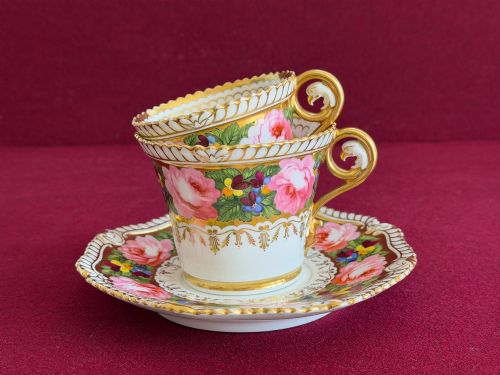
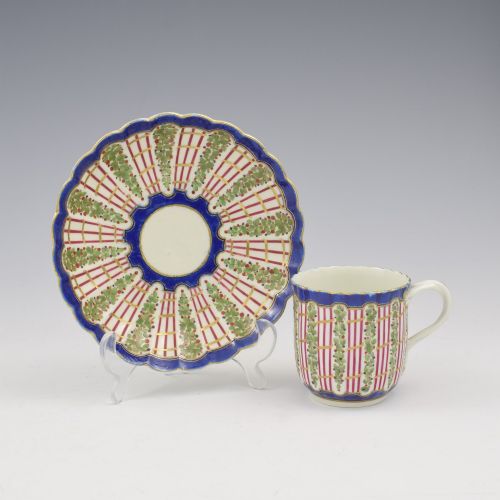
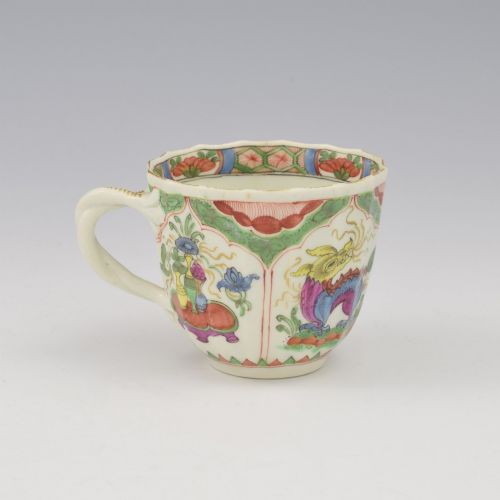
Forms range from fluted tea bowls and saucers to cabinet cups and demitasse sets, decorated in patterns such as dragon in compartments, hop trellis, fancy birds, and cormorant. These pieces document the stylistic shifts from rococo and chinoiserie towards neoclassical and naturalist designs.
How They Were Made
Potters utilised soft-paste porcelain and standard porcelain bodies, shaping them into tea bowls, cups, and saucers before applying hand-painted enamel colours and underglaze blue. Skilled hands added gilding and gold leaf highlights to accentuate fluted rims and borders.
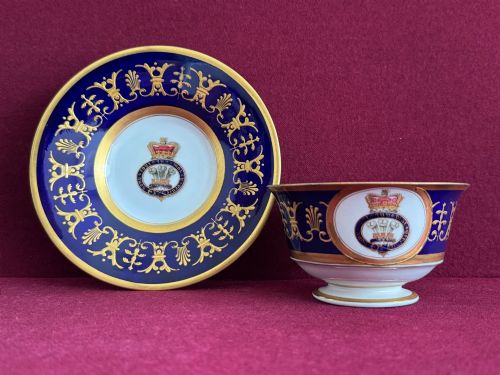
Painters and decorators executed intricate motifs such as turquoise guilloche borders, armorial crests, and naturalistic birds, often firing the pieces multiple times to fix the enamels and gold securely to the glaze.
Listings span the eighteenth century, Georgian, Regency, and Victorian periods, featuring porcelain, soft-paste porcelain, enamel, and gold leaf.
What Varies in Quality
Quality rests upon the crispness of the porcelain body, the precision of the hand-painted enamel work, and the richness of the gilding. Pieces bearing identifiable patterns from named periods show superior artistic ambition compared to plain utilitarian wares.
The sophistication of the painting - visible in detailed bird plumage, neat guilloche borders, and clean armorial execution - distinguishes standard factory output from exceptional cabinet pieces.
Flight Barr And Barr·Chamberlain Worcester·Royal Worcester·Samuel Astles
The Worcester Porcelain Teacup Glossary
- Soft-Paste Porcelain
- An artificial porcelain composition fired at lower temperatures than hard paste, creating a creamy translucent body common in eighteenth-century pieces. This material absorbs glazes in a distinct manner that collectors readily recognise.
- Tea Bowl
- A handleless cup used for drinking tea during the eighteenth century before teacups with handles became standard. These accompany matching saucers in early sets.
- Gilding
- The application of gold leaf or gold paint to ceramic surfaces for decorative emphasis. Artisans burnish the gold to create a bright finish against the white porcelain ground.
- Demitasse
- A small cup used for serving strong coffee, often paired with a matching saucer. These appear in later twentieth-century productions.
- Trio
- A matching set comprising a teacup, a coffee cup, and a saucer. Such sets accommodated different hot beverages at formal tea tables.
Worcester Porcelain Teacup: Frequently Asked Questions
What is a Worcester porcelain teacup?
A worcester porcelain teacup is a historic drinking vessel produced at the Worcester factory across the eighteenth, nineteenth, and twentieth centuries. These items include tea bowls, coffee cups, and trios decorated with hand-painted enamels and gilding.
They reflect changing tastes from early rococo and chinoiserie styles through to Regency neo-classicism and Victorian blush ivory designs.
How do I identify First Period Worcester?
First Period pieces date from the eighteenth century under the direction of Dr Wall and subsequent proprietors. They frequently feature soft-paste porcelain bodies, hand-painted underglaze blue designs, or enamel patterns like hop trellis and dragon in compartments.
Examining the paste under magnification and comparing the painting style to known eighteenth-century examples helps confirm the period.
What is the difference between a tea bowl and a teacup?
A tea bowl is a handleless drinking vessel derived from Chinese export porcelain forms popular during the eighteenth century. Teacups feature applied handles for grasping.
Both forms appear frequently with matching saucers across Georgian and Regency listings.
Can I use antique Worcester cups for tea?
While these pieces were made for drinking tea or coffee, antique soft-paste porcelain and delicate enamels are vulnerable to thermal shock and modern detergents. Many collectors prefer to display them in cabinets or use them only with great care.
Gentle hand washing without soaking protects the fragile gold leaf and enamel decorations.
What are Flight Barr and Barr pieces?
Flight Barr and Barr represents a specific nineteenth-century partnership running the Worcester factory during the Regency and Georgian periods. Pieces from this era often bear factory marks and showcase refined painting, armorial crests, and elaborate gilding.
They bridge the transition from earlier eighteenth-century bodies to later nineteenth-century manufacturing methods.