


Georgian China Teacup
A georgian china teacup brings the refined handling of eighteenth and nineteenth-century porcelain straight to the modern table.
Georgian China Teacup
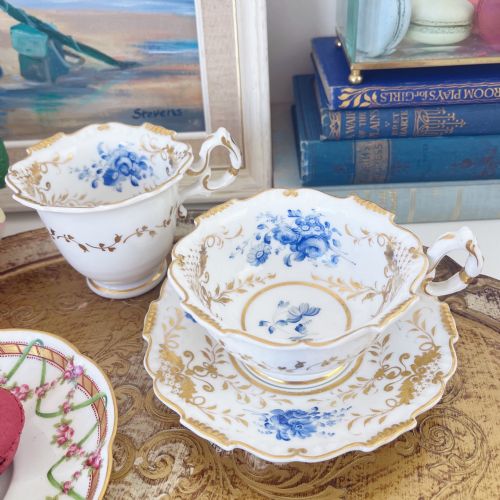
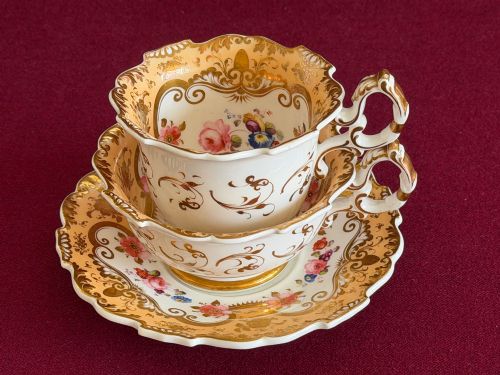
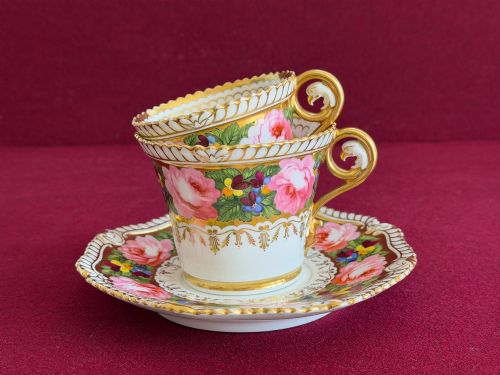
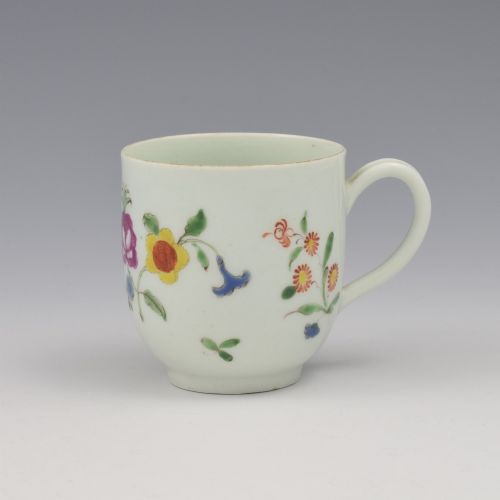
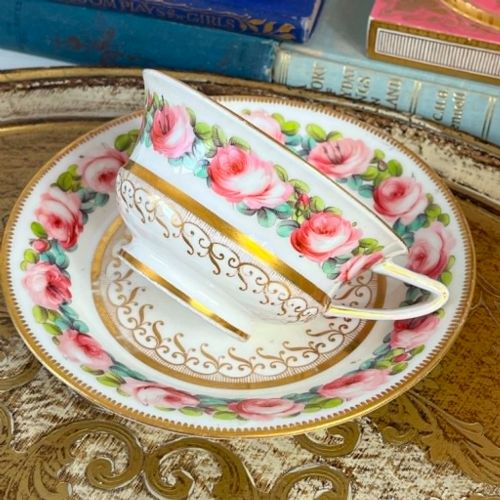
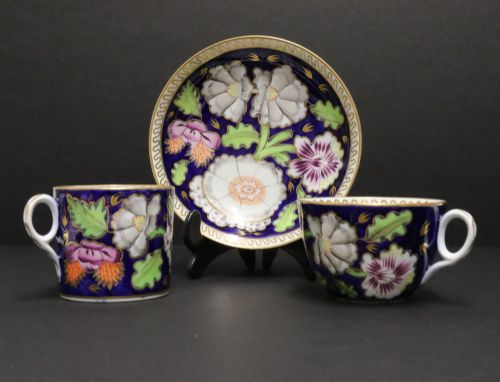
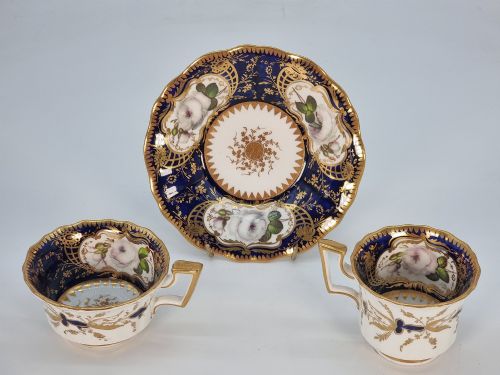
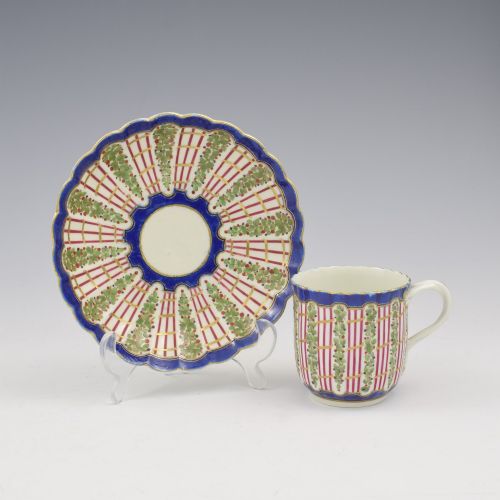
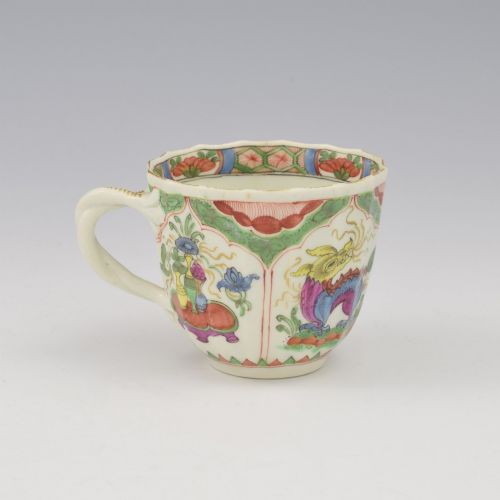
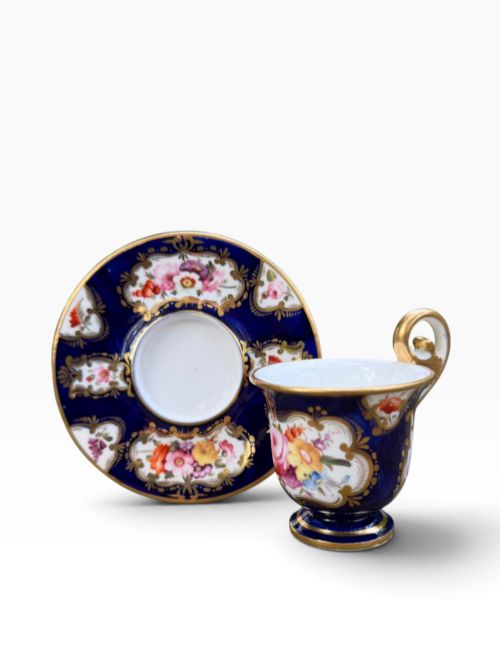
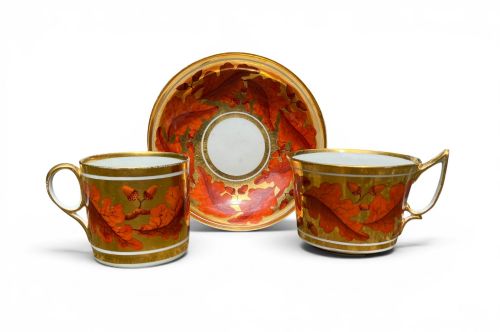
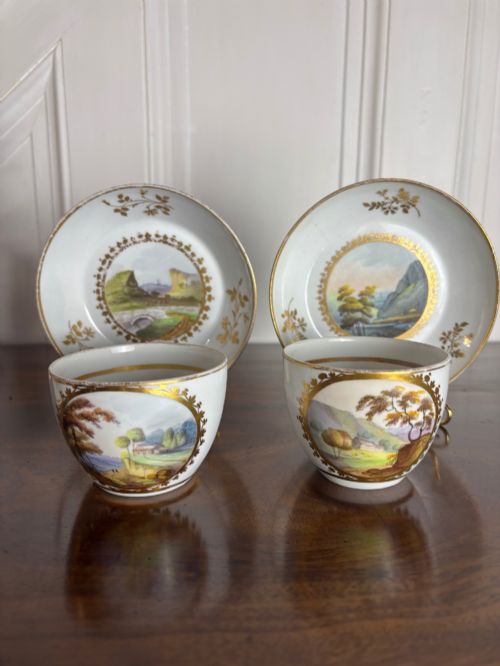
A georgian china teacup encompasses tea bowls, coffee cups, duos and trios spanning the eighteenth and nineteenth centuries. These drinking vessels trace stylistic shifts from eighteenth century rococo tea bowls to Regency cabinet trios and armorial services.
Most examples found here emerge from the Georgian and Regency periods, shaped by factories across Worcester, Derby, Coalport and Staffordshire. Buyers encounter forms ranging from fluted tea bowls with turquoise guilloche borders to elaborate cabinet cups with matching saucers.
The assortment includes wares associated with notable porcelain houses such as Chamberlins, Spode, Davenport and Minton. Each piece reflects the tea-drinking rituals and domestic displays of the period, executed in hard and soft-paste porcelain or bone china.
How they were made
Potters shaped these vessels using soft-paste porcelain, bone china or early hard-paste porcelain, sometimes forming fluted or panelled bodies by hand or mould. Artisans then applied underglaze blue, handpainted enamels and intricate transfer prints depicting birds, landscapes or botanical motifs.
Finishing touches involved the application of gold leaf and gilding to rims, handles and borders. Kiln firing fixed the pigments and glazes, after which special cabinet pieces received secondary gilt work and armorial crests.
Listings feature eighteenth-century and nineteenth-century porcelain, bone china, and soft-paste pieces decorated with handpainted enamels, gilding, and gold leaf.
What varies in quality
The standard of a georgian china teacup rests on the precision of the handpainted enamel work and the crispness of the moulding. Superior pieces display delicate brushwork in complex patterns like fancy birds, hop trellises or armorial crests.
The application and richness of the gold leaf or gilding differentiate standard domestic wares from high-status cabinet pieces. Weight, translucency of the porcelain body and the complexity of shaped handles also mark out the finer examples.
H & R Daniel·Chamberlain Worcester·Richard Chaffers·Davenport·Coalport·John Rose·Dr Wall·Minton·Flight Barr And Barr·Derby·Hicks Meigh And Johnson·Flight·Yates·Spode·Lowestoft·Robert Browne
The Georgian China Teacup Glossary
- Trio
- A matched set consisting of a teacup, coffee cup and saucer. These three pieces accommodated different hot beverages served during formal Georgian gatherings.
- Tea Bowl
- A handleless drinking vessel derived from Chinese porcelain forms. Early eighteenth-century tea bowls required the drinker to hold the warm ceramic directly.
- Duet
- A matched pair of teacups or coffee cups with their corresponding saucers. Duos frequently formed part of larger breakfast or tea services.
- Cabinet Cup
- A decorative or high-status cup intended for display in a drawing-room cabinet rather than daily tea service. These pieces often feature elaborate armorial painting or raised gilding.
- Soft-Paste Porcelain
- A ceramic composition fired at lower temperatures than true hard-paste porcelain. It produces a warm, creamy body that absorbs enamel colours with particular softness.
Georgian China Teacup: Frequently Asked Questions
What is the difference between a tea bowl and a teacup?
A tea bowl lacks a handle, following traditional Chinese prototypes common in the eighteenth century. Drinkers held the bowl in both hands to sip the hot infusion.
Teacups featuring applied handles became increasingly common toward the end of the eighteenth century and standard throughout the Regency period.
How do I identify a Regency period teacup?
Regency pieces often display classical Georgian neoclassical influences, armorial crests or rich gilding paired with bone china bodies. Shapes became more sharply defined, including London-shape cups and elaborate cabinet trios.
Markings, pattern numbers and factory styles help narrow down the exact decade of manufacture between eighteen hundred and eighteen thirty.
Can I use antique porcelain cups for drinking tea?
These fragile porcelain and bone china vessels survived centuries of handling and can still hold tea today. Many collectors prefer to wash them gently by hand rather than risk modern dishwashers.
Thermal shock should be avoided by not exposing cold antique porcelain to boiling water too abruptly.
What does a cabinet cup mean?
A cabinet cup denotes a piece made primarily for display in a glazed cabinet rather than everyday tea service. They often exhibit exceptional handpainted landscapes, fancy birds or raised gold leaf.
These pieces were collected as cabinet ornaments by affluent households wishing to showcase fine porcelain art.