


Flight Period Porcelain
Flight period porcelain carries the refined hand of late eighteenth and early nineteenth century Worcester output, offering collectors sophisticated forms painted with birds, flowers, and topographical views.
Flight Period Porcelain
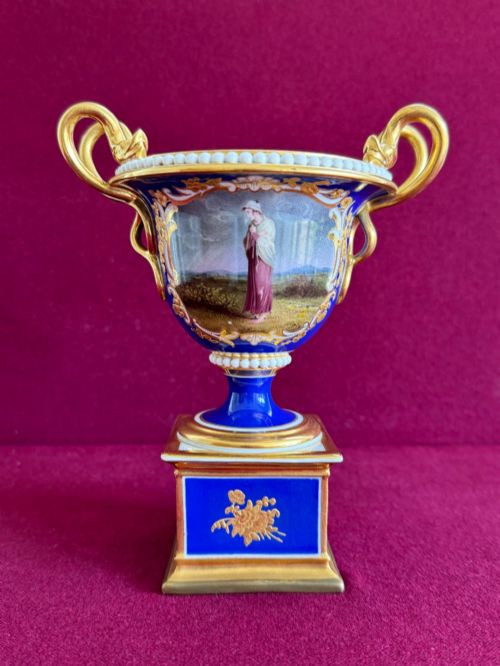
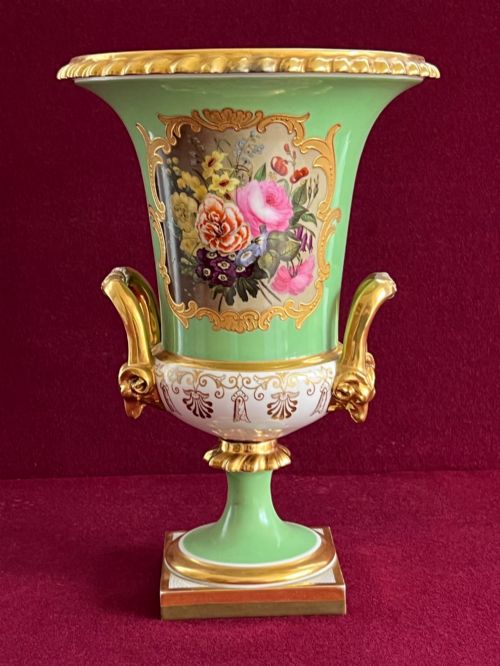
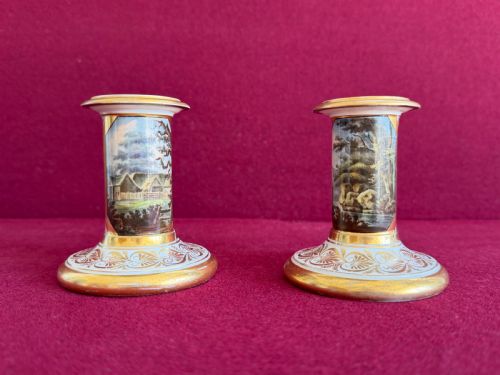
When searching for flight period porcelain, buyers encounter tea wares, table services, and decorative items produced by the Worcester manufactory under the direction of the Flight family and their subsequent partners. The pieces on this page span the late eighteenth century and the Regency period, demonstrating how domestic ceramics evolved from simple tea bowls to elaborate vases and dessert plates.
Teacups, saucers, and trios dominate the surviving items, alongside cream jugs, sugar boxes, and egg drainers designed for formal dining tables. More ambitious forms such as jardinières, vases, and rose water sprinklers also appear, showing the factory's range beyond standard domestic vessels.
The style shifts from Georgian neoclassical designs to the richer Regency aesthetics characterised by topographical scenes and intricate gilding. Pieces range from spiral fluted tea bowls dated around seventeen eighty-five to grand vases and dessert dishes produced well into the nineteenth century.
How they were made
Worcester pieces utilise soft-paste porcelain and standard porcelain bodies shaped on the potter's wheel or formed in moulds to create fluted tea bowls, vases, and serving dishes. Skilled artisans applied hand-painted enamels, topographical views, and transfer-printed motifs directly onto the glazed surface.
Gilding forms a major component of the decoration, incorporating heavy gold leaf and detailed gilt work applied by specialists. Painters such as Thomas Lowe and Samuel Astles added named botanical illustrations, exotic birds, and landscape subjects that required precise firing in the kiln to fix the colours.
Listings feature Regency and Georgian periods alongside eighteenth-century items, spanning forms from tea bowls and trios to rose water sprinklers.
What varies in quality
Quality rests on the ambition of the form and the skill of the painting rather than the age alone. Standard tea bowls with simple cornflower sprigs contrast with cabinet cups, Warwick vases, and topographical dessert plates featuring detailed cottage scenes or exotic bird studies.
The precision of the gilding and the crispness of the enamel work distinguish everyday utility wares from high-end cabinet pieces. Pieces decorated by named painters command greater attention from collectors who study the nuance of Flight period handwork.
Barr Flight and Barr·Flight Barr and Barr·Thomas Lowe·Samuel Astles
The Flight Period Porcelain Glossary
- Flight period
- The era of Worcester porcelain production managed by Joseph Flight from seventeen eighty-three onward, often encompassing subsequent partnerships with the Barr family. This era marks a distinct transition in factory marks and decorative styles.
- Soft-paste porcelain
- An artificial ceramic body composed of white clay and glass frit, fired at lower temperatures than true hard-paste porcelain. It produces a warm, creamy translucency typical of eighteenth-century English factories.
- Shanked
- A descriptive term for surface fluting or spiral moulding on tea bowls and cups. The vertical or diagonal ribs catch the light through the glaze.
- Sucrier
- A covered vessel designed to hold granulated or lump sugar for the tea table. These often match the tea bowls and cream jugs in a standard trio or service.
- Gilding
- The application of gold leaf or powdered gold to the rims, handles, and borders of porcelain. High quality pieces use thick gold leaf burnished to a bright finish.
Flight Period Porcelain: Frequently Asked Questions
What is flight period porcelain?
Flight period porcelain refers to ceramic items made at the Worcester factory during the ownership of the Flight family, beginning in seventeen eighty-three. The term covers several successive partnerships including Flight and Barr, and Barr, Flight and Barr.
These pieces include tea sets, dessert services, and decorative items created during the Georgian and Regency periods. The factory became known for fine porcelain bodies, delicate enamel painting, and rich gilding.
How do I identify flight period marks?
Factory marks changed as partnerships evolved, often consisting of painted or impressed versions of the name Flight, sometimes combined with the letter F or the names of later partners. These marks appear underneath the glaze in blue enamel or gold.
Early pieces carry simple script marks, while later nineteenth-century items display full names like Barr, Flight and Barr alongside royal warrants. Comparing the mark with the style of decoration helps confirm the production date.
How were these porcelain pieces used?
Most items served elite households during formal dining and tea drinking rituals in the late Georgian and Regency eras. Tea bowls, saucers, trios, and cream jugs formed part of the tea service used in drawing rooms.
Larger items such as dessert plates, entrée dishes, and sauce tureens graced dining tables for formal courses. Ornamental pieces like jardinières, cabinet cups, and vases decorated mantelpieces and display cabinets.
How should I care for antique porcelain?
Antique porcelain requires gentle hand washing in warm water using mild soap, avoiding modern dishwashers and harsh scrubbers. The soft-paste bodies and delicate overglaze enamels or gold leaf can wear down with aggressive cleaning.
Display pieces should rest securely away from direct sunlight and areas prone to sudden temperature changes. Proper support prevents accidental chips to fragile rims on teacups, saucers, and decorative dishes.