

Hand Painted China Saucer
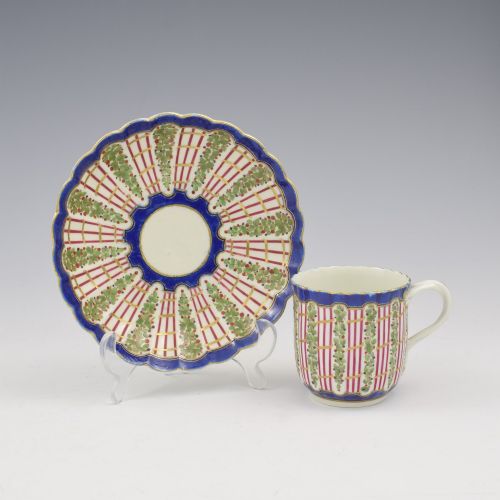
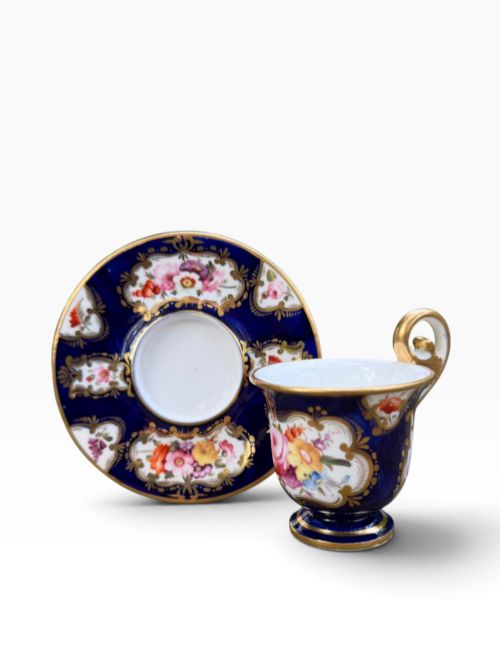
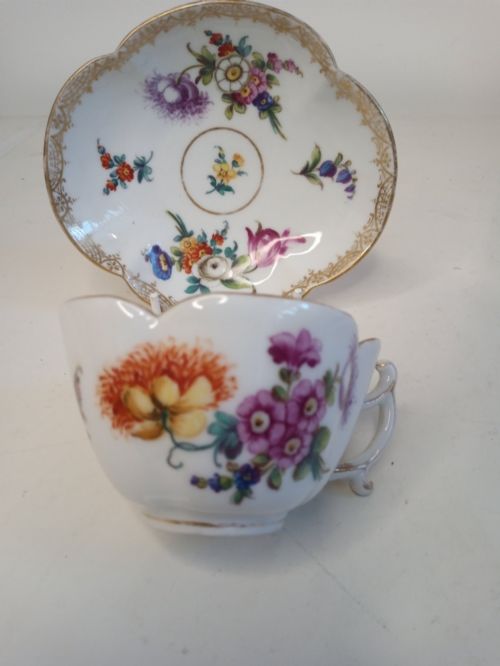
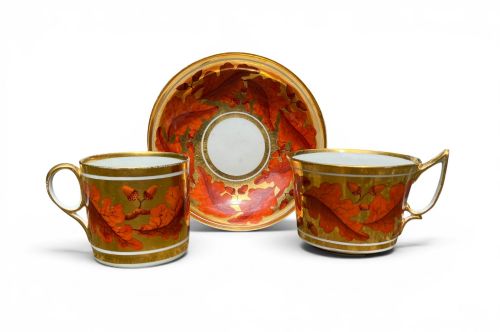
When you search for a hand painted china saucer, you discover fine ceramic plates and vessels originating from eighteenth and nineteenth century factories.
Hand Painted China Saucer
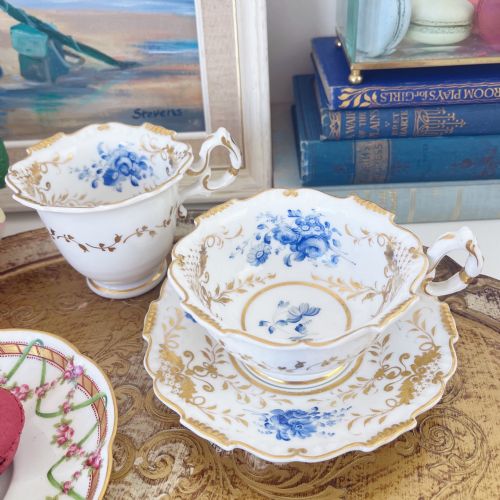
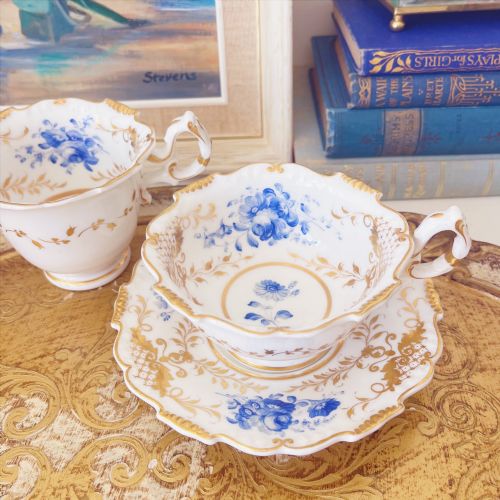
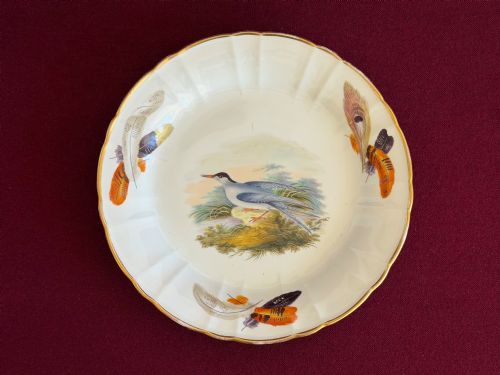
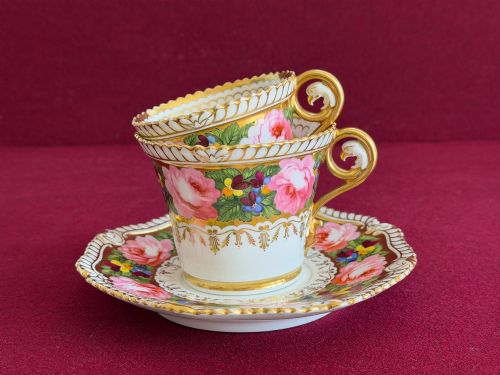
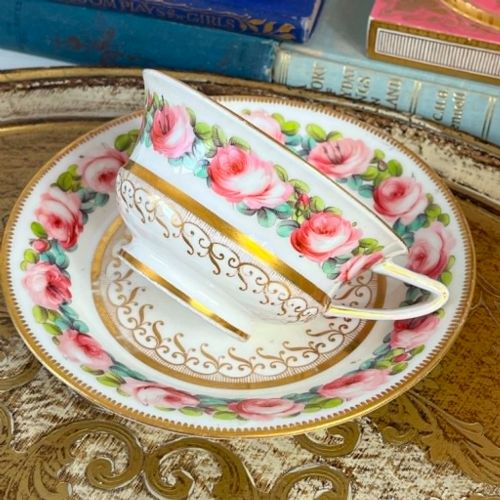
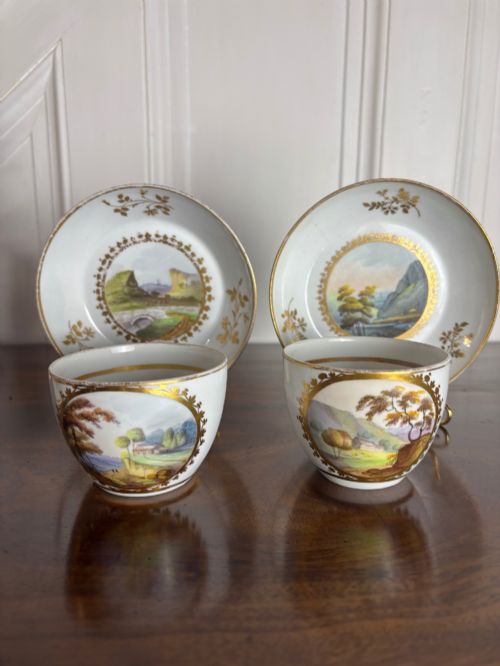
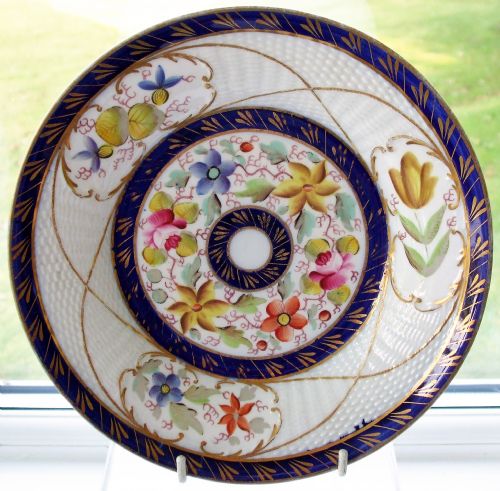
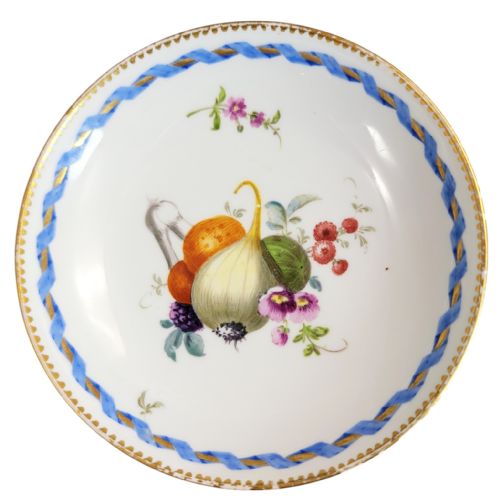
A hand painted china saucer generally forms part of a tea or coffee service, or survives independently as a cabinet plate. The pieces found here span the Georgian, Regency and Victorian eras alongside Chinese Export production.
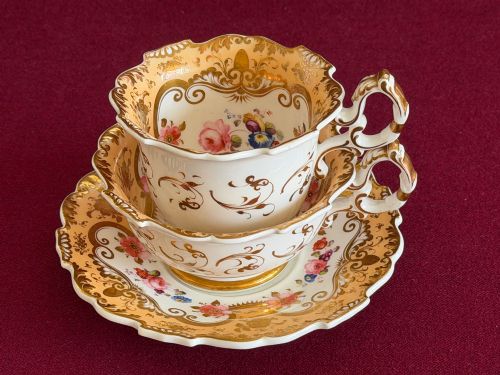
Most examples originate from prominent English potteries like Worcester, Coalport and Davenport, often decorated with floral sprays, birds or landscape scenes. Continental and Asian porcelain also appear, reflecting trade routes and shifting aesthetic tastes across the centuries.
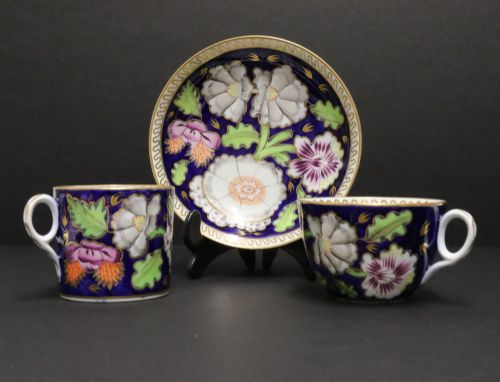
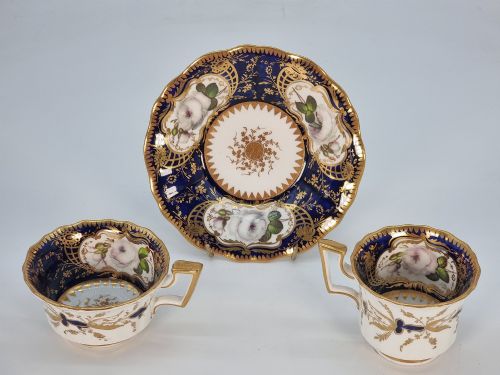
Forms range from simple circular dishes to fluted tea bowls and matching trios, demonstrating the diverse uses of ceramics in historic domestic settings.
Materials and manufacture
Makers utilised porcelain, bone china and soft-paste porcelain as the primary body for these vessels, shaping them by throwing on a wheel or pressing into moulds. Potters then applied hand-painted enamels directly onto the ceramic surface before a secondary kiln firing fixed the pigments.
Gilding and gold leaf frequently accent the rims and borders, requiring meticulous brushwork by skilled decorators working within established factory traditions.
Listings feature porcelain pieces spanning the eighteenth, nineteenth and early twentieth centuries, including Qing Dynasty Chinese Export wares.
Assessing craftsmanship
Quality depends upon the precision of the hand-painted brushwork and the refinement of the ceramic body itself. Early English porcelain often displays subtle variations in the glaze and potting that distinguish factory output.
The sophistication of the palette and the complexity of the painted subject, such as detailed birds or figures rather than simple floral bands, separate standard domestic wares from fine cabinet pieces.
H & R Daniel·Wedgwood·Chamberlain Worcester·Newhall·Coalport·Minton·Davenport·Flight Barr & Barr·Royal Worcester·Yates
The Hand Painted China Saucer Glossary
- Soft-paste porcelain
- An early ceramic composition fired at lower temperatures than hard paste, creating a warm, slightly translucent body often found in eighteenth-century English wares.
- Bone china
- A porcelain variation incorporating animal bone ash, producing a durable, bright white ceramic body widely adopted by nineteenth-century English factories.
- Gilding
- The application of gold or gold leaf to ceramic surfaces, used to highlight rims, handles and borders on teacups and saucers.
- Cabinet plate
- A decorative ceramic plate intended for display in a cabinet or on a wall rather than for everyday dining use.
- Tea bowl
- A small, handleless drinking vessel used for tea before the general adoption of cups with handles in the eighteenth century.
Hand Painted China Saucer: Frequently Asked Questions
How do I date an old saucer?
Examine the paste, glaze characteristics and any factory marks stamped or painted on the underside. Stylistic cues like Regency shapes or eighteenth-century floral motifs also help narrow the decade.
Comparing the potting weight and footring to known factory examples provides further confirmation of the period of manufacture.
Were these saucers meant for display?
Many fine pieces were produced for formal tea service use within wealthy households. Over time, surviving cabinet pieces transitioned purely into display items due to their decorative quality.
Hand-painted floral and bird scenes made them prized objects for drawing room cabinets.
Can I use antique saucers for tea?
Historic porcelain requires careful handling and hand washing to protect fragile enamels and delicate gilding from deterioration. Many collectors prefer to display these pieces rather than risk damage from regular use.
Thermal shock from boiling water can also impact old soft-paste bodies.
What is Chinese Export porcelain?
Chinese Export porcelain refers to ceramics manufactured in China specifically for Western markets, often following European shapes and design commissions. These items travelled via maritime trade during the Qing Dynasty.
They frequently feature distinct floral or figurative palettes tailored to European tastes.