
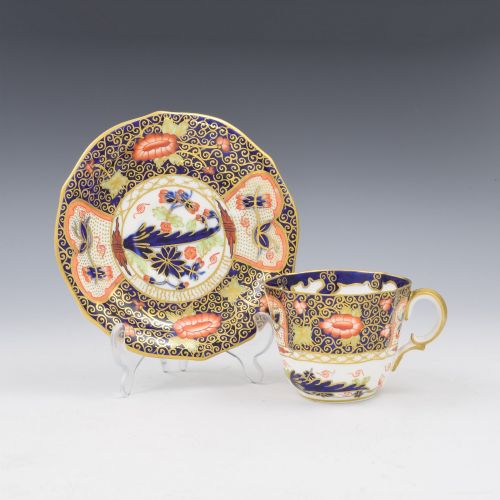
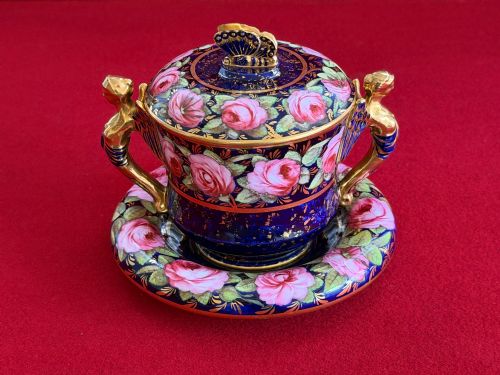
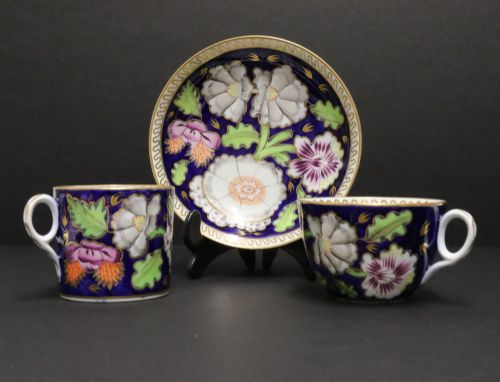
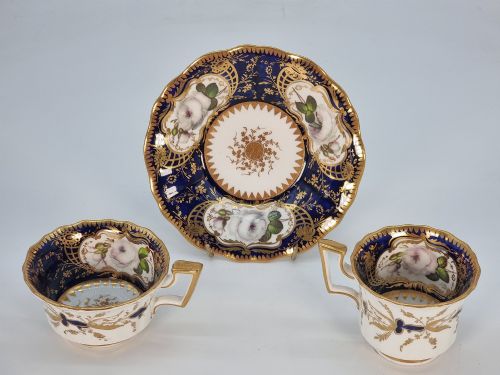


Cobalt Blue Saucer
A cobalt blue saucer brings rich depth to tea wares, spanning Regency elegance and eighteenth-century porcelain.
Cobalt Blue Saucer
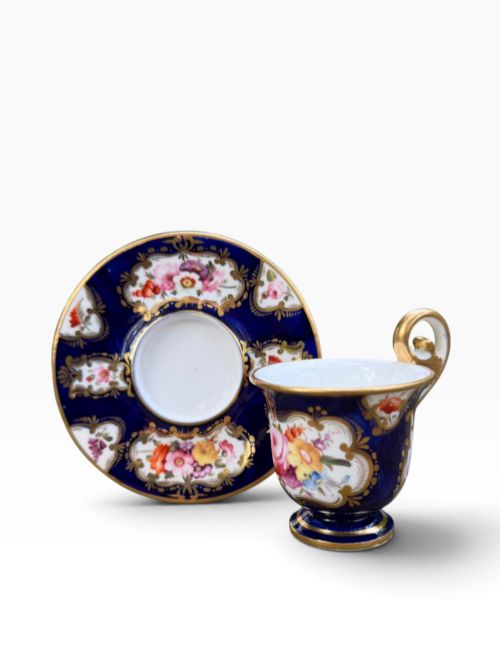
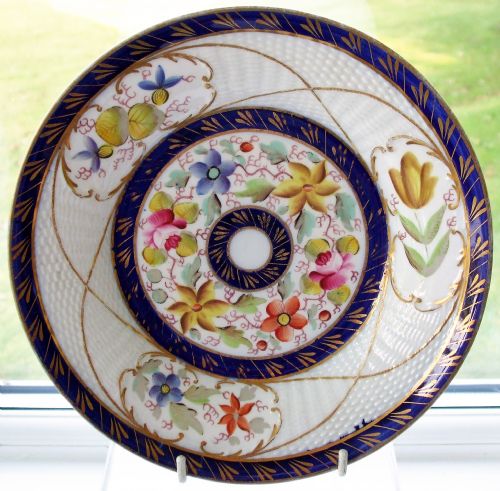
A cobalt blue saucer is a small ceramic plate designed to hold a cup, appearing across eighteenth-century, Regency, and nineteenth-century periods. These items emerge in forms such as individual saucers, teacups and saucers, and cabinet pieces originating from English, European, and Asian workshops.
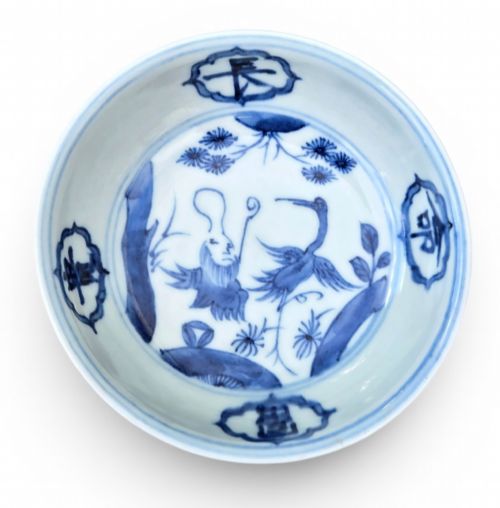
The pieces on this page range from early Worcester and New Hall tea bowls to later Edwardian and Imari examples. Buyers encounter these items within matched trios, miniature solitaire sets, and standalone cabinet dishes.
How they were made
Makers utilised porcelain, bone china, and soft-paste porcelain, often applying cobalt glaze directly to the ceramic body before firing. Artisans frequently enriched the designs using gold leaf, gilding, and hand-painted enamel colours.
Techniques varied from the blue scale grounds and wet blue methods of the eighteenth century to the hand-gilded and enamelled finishes seen in later nineteenth-century productions.
Mistletoe and oak leaves unexpectedly find their way onto porcelain tea sets alongside traditional birds and floral friezes.
What varies in quality
Quality rests on the depth and evenness of the cobalt ground, alongside the precision of the hand-painted details and gilding. Pieces from established periods like First Period Worcester or specific services exhibit finer ceramic bodies and more controlled brushwork.
The presence of crisp underglaze cobalt combined with detailed enamel or gold leaf application distinguishes standard production wares from high-status cabinet pieces.
Royal Crown Derby·Spode·Newhall·Coalport·Flight Barr and Barr·Gardner Moscow Factory·Moser·Masons Patent Ironstone·Yates·Royal Vienna·Minton·Lowestoft·Ridgway
The Cobalt Blue Saucer Glossary
- Soft-Paste Porcelain
- An early ceramic composition made from white-firing clay mixed with ground glass and other materials. It produces a warm, slightly translucent body common in eighteenth-century English wares.
- Cobalt Glaze
- A deep blue mineral colour applied beneath or over the ceramic glaze before firing. It withstands high temperatures without losing its intense hue.
- Cabinet Trio
- A matching set comprising a teacup, coffee cup, and saucer intended for display rather than daily service. These sets often display superior painting and extensive gilding.
- Tea Bowl
- A handleless drinking vessel used for tea before the general adoption of cups with handles. They frequently accompany matching saucers in eighteenth-century listings.
- Imari
- A style of ceramic decoration originating in Japan, characterised by cobalt blue, iron red, and gold. European factories later copied these distinctive palettes.
Cobalt Blue Saucer: Frequently Asked Questions
What is a cobalt blue saucer?
A cobalt blue saucer is a ceramic dish featuring a rich blue glaze, made to accompany tea or coffee cups across various historical periods.
These pieces function as decorative cabinet items or components of surviving tea services and trios.
How do I identify eighteenth-century pieces?
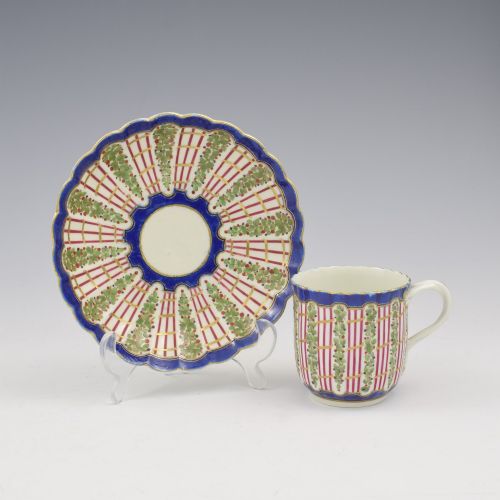
Eighteenth-century examples often utilise soft-paste porcelain bodies with hand-painted underglaze blue grounds, such as blue scale or hop trellis patterns.
Examining the weight, paste translucency, and painting style helps separate these early items from later nineteenth-century revivals.
Were these saucers meant for daily use?
Many early and cabinet pieces were created for display or formal hospitality rather than robust everyday dining. Rich gilding and delicate enamel work indicate items meant for drawing room service.
Careful handling preserves the surface enamel and gold leaf applied over the cobalt glaze.
What is the difference between a tea bowl and a teacup?
Tea bowls lack handles, following traditional forms used during the eighteenth century and earlier periods. Teacups introduce handles for ease of drinking as dining habits shifted.
Both forms typically rested upon matching saucers decorated in coordinated cobalt and gilt patterns.