
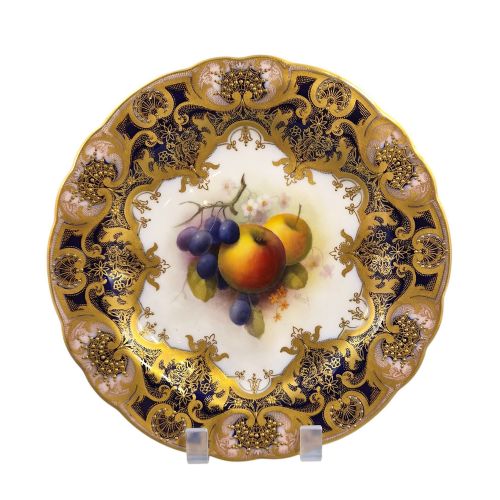
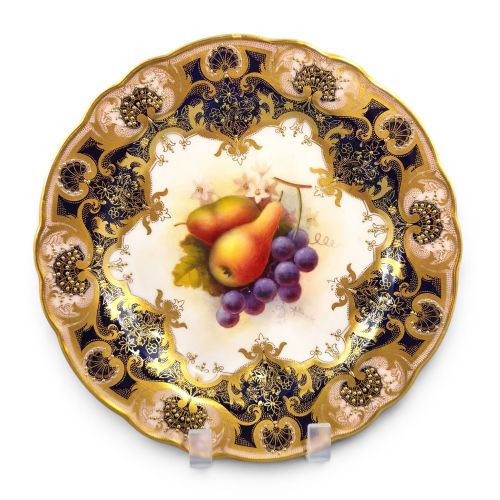
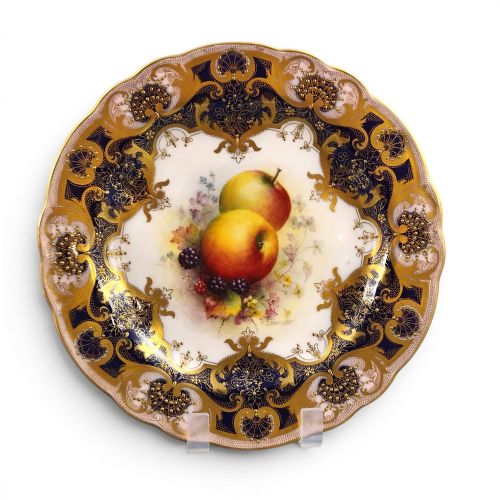
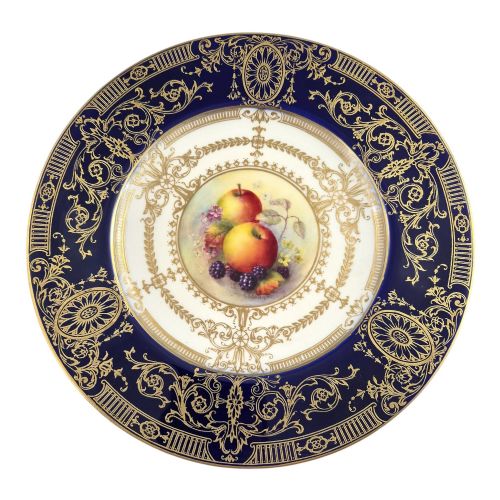
English Porcelain Fruit Dish
An English porcelain fruit dish brings hand-painted naturalism and vibrant ceramic artistry directly to the table.
English Porcelain Fruit Dish
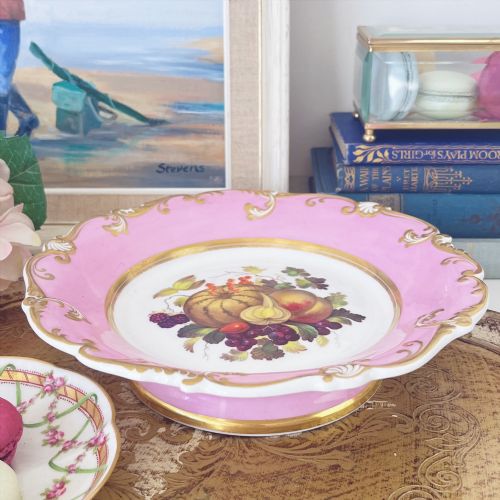
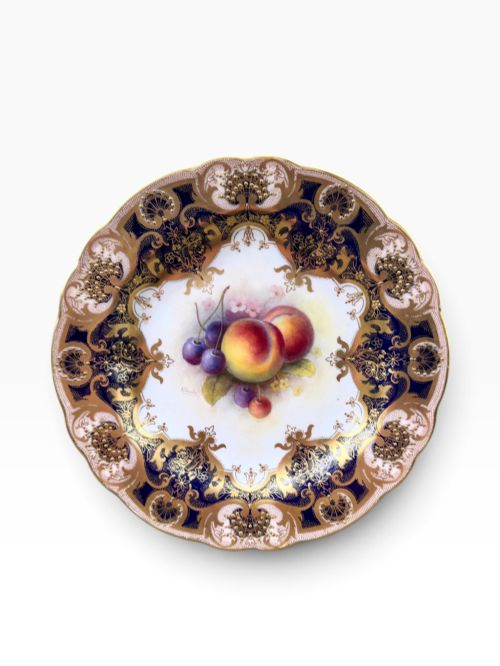
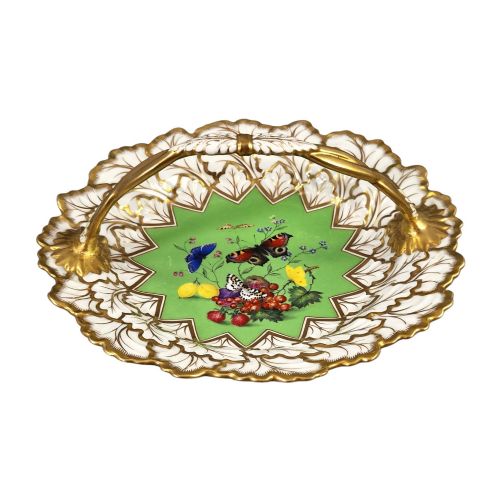
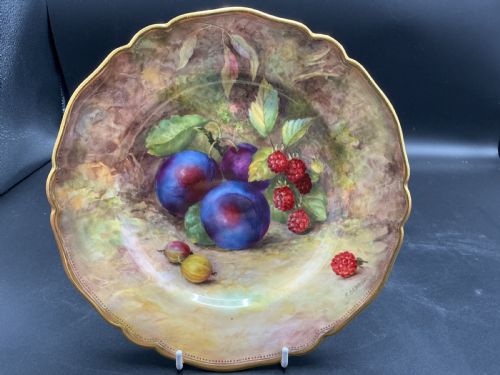
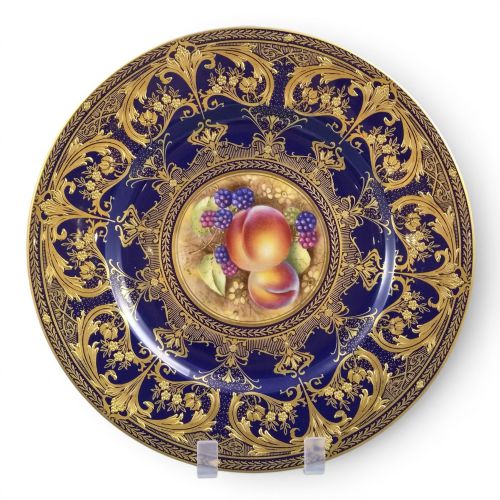
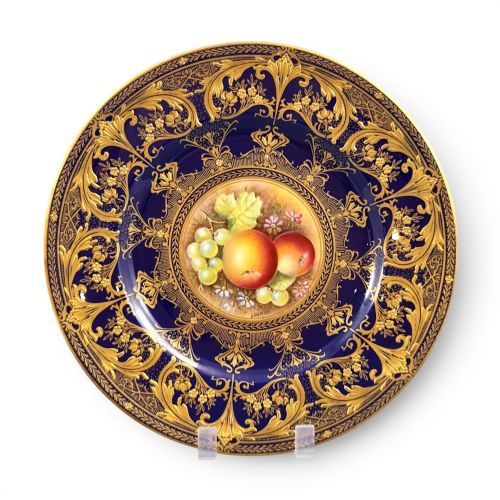
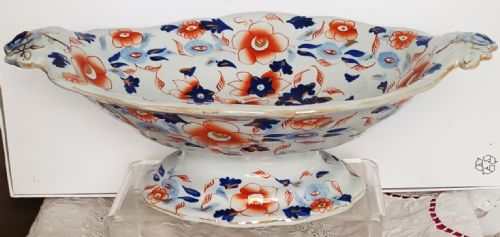
An english porcelain fruit dish encompasses a wide variety of serving vessels, from 18th-century Worcester square lobed dessert dishes to 20th-century Royal Worcester cabinet plates. Buyers frequently encounter shapes such as footed comports, chestnut baskets, serving dishes, and boat-shaped bowls.
The selection spans multiple design eras, including Georgian, Regency, Victorian, Edwardian, and Art Deco pieces. Makers utilise traditional forms designed to display fruit elegantly within dining and drawing rooms.
Earlier examples originate from the 18th century, such as Dr Wall First Period Worcester porcelain, while later specimens extend through the 19th and mid-20th centuries. These objects combine utilitarian dining heritage with decorative display traditions.
Materials and technique
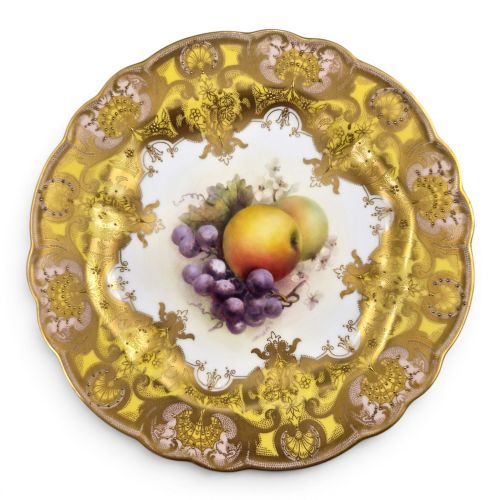
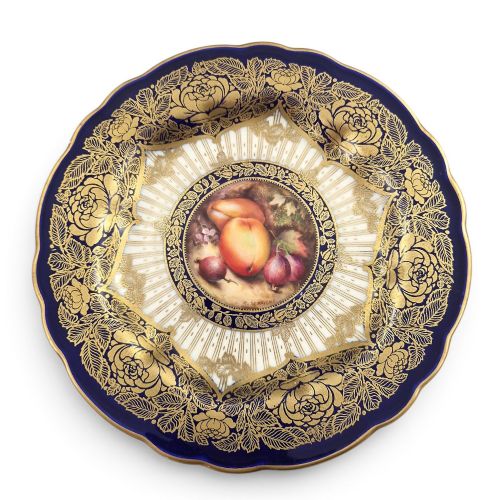
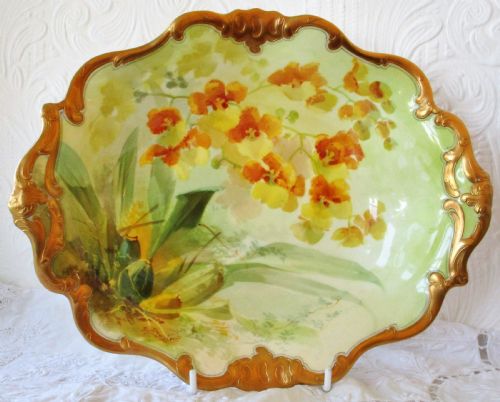
Potters constructed these vessels using porcelain, bone china, soft-paste porcelain, and ironstone. Surface decoration relied heavily on enamel painting, often enhanced with gold leaf, gilt, and gilding.
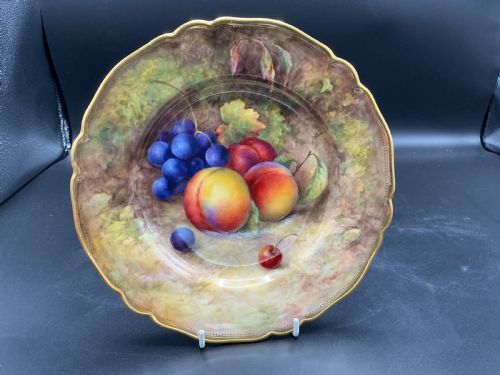
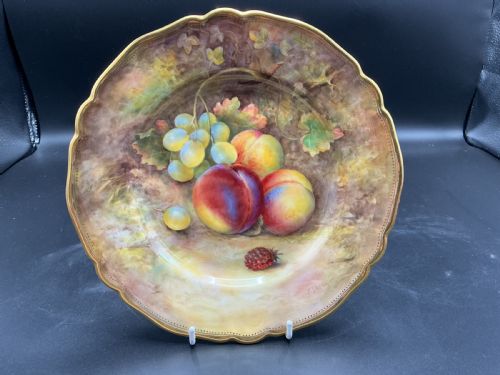
Painters applied meticulous hand-painted fruit motifs directly onto the ceramic surface, sometimes pairing botanical studies with shell edge, rope edge, or spotted patterns.
Available forms range from 18th-century dessert dishes to Edwardian cabinet plates and mid-century pencil trays.
Craftsmanship and artistry
Quality rests primarily on the skill of the painter and the prestige of the maker. Pieces featuring signed work by notable artists command significant attention for their fine brushwork.
The sophistication of the gilding and the crispness of the porcelain moulding separate standard production items from exceptional cabinet pieces.
H & R Daniel·Royal Worcester·Flight Barr And Barr·Royal Doulton·Mason Ironstone·Chelsea Derby
The English Porcelain Fruit Dish Glossary
- Comport
- A raised serving dish or pedestal bowl used for displaying fruit on a dining table. These footed vessels elevate the display above standard plates.
- Cabinet plate
- A decorative plate intended for display in a cabinet rather than for daily dining use. These items usually showcase elaborate painted scenes.
- Soft-paste porcelain
- An artificial porcelain body composed of clay and glass frit, fired at lower temperatures than hard-paste. Eighteenth-century factories utilised this material before true hard-paste porcelain became widespread.
- Ironstone
- A durable heavy earthenware ceramic patented in the 19th century. Factories used it to create robust serving wares and comports.
- Gilding
- The application of gold leaf or gold powder to ceramic surfaces for decoration. Artisans applied it along rims and handles to highlight moulded details.
English Porcelain Fruit Dish: Frequently Asked Questions
How were fruit dishes used historically?
These vessels held fresh fruit for dessert courses at the end of grand dinners. Servants placed comports, baskets, and dishes filled with seasonal produce across the table to impress guests.
Over time, many of these utilitarian serving pieces transitioned into decorative cabinet items meant for visual appreciation.
Can I use antique porcelain dishes for food?
Most buyers treat these antique and vintage items as decorative display pieces rather than everyday tableware. Older soft-paste porcelain and delicate enamels can suffer damage from modern dishwashers and cutlery.
Gentle hand washing is necessary if owners choose to use them for serving dry foods.
How do I identify an 18th-century piece?
Early pieces often feature soft-paste porcelain bodies with distinct underglaze blue painting or hand-applied enamel fruit motifs. Factories like Dr Wall Period Worcester relied on specific potting techniques and square lobed shapes characteristic of the 1700s.
Examining the foot rim and glaze pooling helps distinguish these early wares from later 19th and 20th-century reproductions.
What is a chestnut basket?
A chestnut basket is an openwork ceramic vessel traditionally designed for serving roasted chestnuts or fruit at the table. These pieces often feature intricately pierced lattice walls and matching under-trays.
Craftsmen hand-pierced the wet clay before firing, making each basket a demonstration of advanced ceramic moulding.