




Gold Rimmed Ceramic Dish
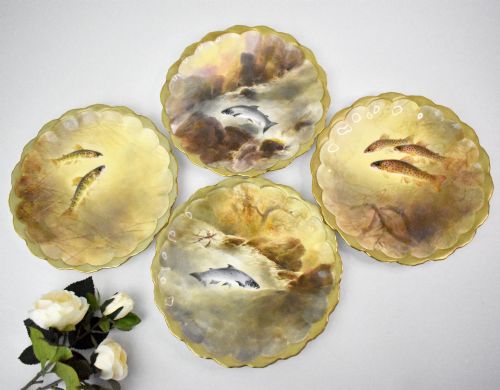
A gold rimmed ceramic dish brings hand-painted scenes and gilded edges to the table, offering a touch of historic artistry for display.
Gold Rimmed Ceramic Dish
A gold rimmed ceramic dish encompasses a variety of cabinet plates, decorative bowls, and dessert service pieces spanning the Victorian era through the mid-twentieth century. Buyers searching this phrase encounter fine bone china, porcelain, and earthenware pieces originating from traditional English potteries and Japanese workshops.
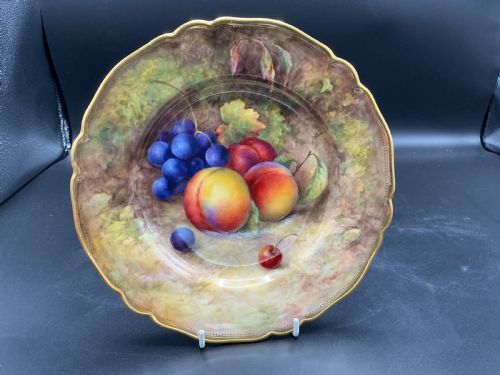
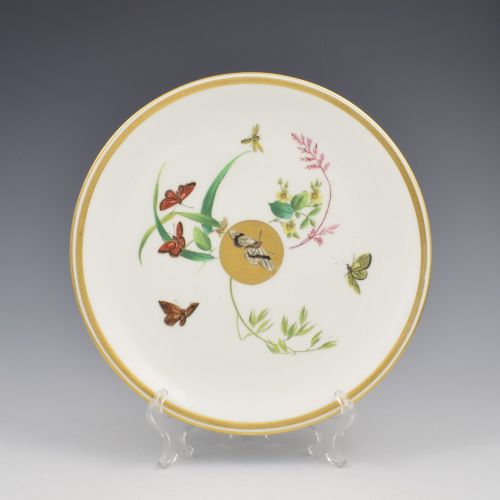
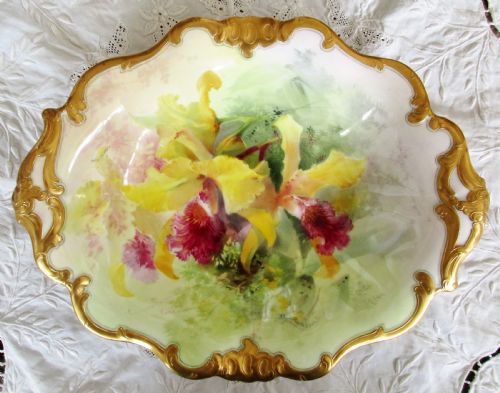
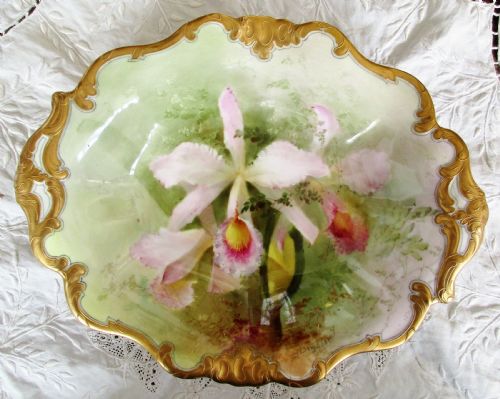
The selection ranges from elaborate cabinet dishes painted with fruit and orchids to basketweave plates and textured bowls. Most pieces date from the nineteenth century up to 1950, reflecting distinct periods including the Edwardian era, Aesthetic movement, and Rococo Revival.
Traditional English porcelain dominates the available forms, often featuring hand-painted botanical or figurative subjects framed by gilt borders. Alongside these sit Japanese Satsuma ware bowls and saucers that introduce distinct decorative motifs to the category.
Materials and production methods
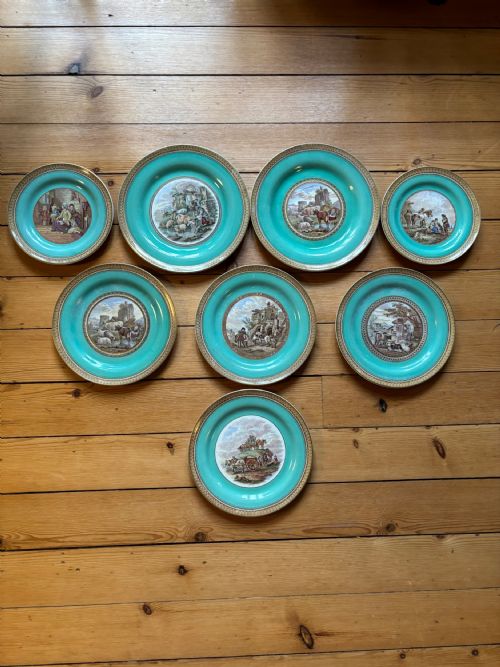
Potters shaped these dishes from porcelain, bone china, earthenware, and Prattware before applying detailed hand-painted designs. Artisans utilised enamel colours and gold leaf or gilding to accentuate the rims and surface motifs.
Specialised artists painted floral subjects, fruit studies, and courting scenes directly onto the ceramic body before a final kiln firing fixed the glaze and metals. Gilt enamel and raised gilding techniques required careful control to achieve the characteristic metallic edge.
Listings feature porcelain, bone china, and earthenware across Victorian, Edwardian, and mid-twentieth-century periods.
Evaluating craftsmanship and execution
Quality rests in the precision of the hand-painted artistry and the execution of the gilt work along the rim. Pieces painted by known factory artists display finer brushwork and more detailed subject matter than standard production wares.
The weight of the porcelain, the crispness of moulded details like basketweave textures, and the preservation of the gold leaf distinguish finer cabinet pieces from utilitarian tableware.
Royal Worcester·Minton·Royal Doulton·John Ridgway·James Rouse Jnr·Wedgwood·Bloor Derby·Royal Crown Derby
The Gold Rimmed Ceramic Dish Glossary
- Cabinet plate
- A decorative ceramic plate intended for display in a cabinet rather than for dining use. These often feature elaborate hand-painted scenes.
- Bone china
- A type of soft-paste porcelain containing bone ash, known for its high strength, chip resistance, and translucent body. It forms the basis of many fine English dishes.
- Gilding
- The application of gold leaf or gold powder to the surface of ceramics. This technique creates the metallic rims characteristic of these pieces.
- Prattware
- A type of earthenware produced in England, typically characterised by underglaze multicoloured decoration. These plates often feature historic or genre scenes.
- Satsuma ware
- A type of Japanese earthenware featuring a ivory-coloured cracked glaze and dense polychrome enamel and gilt decoration. These pieces often depict traditional floral or figural themes.
Gold Rimmed Ceramic Dish: Frequently Asked Questions
What is a gold rimmed ceramic dish used for?
These pieces function primarily as cabinet plates, decorative dishes, and dessert service components intended for display or special presentation.
Historically, many formed part of larger dessert sets used in formal dining rooms during the Victorian and Edwardian periods.
How do I care for antique porcelain?
Wash these items by hand using mild soap and warm water, avoiding abrasive sponges that can wear away the delicate gilding.
Keep them away from modern dishwashers and harsh detergents to preserve the hand-painted enamel decoration.
How can I tell the period of a dish?
Examine the style of the painting, the shape of the ceramic body, and any factory marks stamped or painted on the underside. Aesthetic movement and Rococo Revival pieces typically point towards the nineteenth century.