
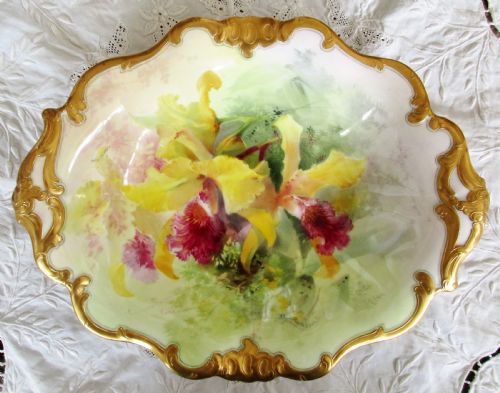
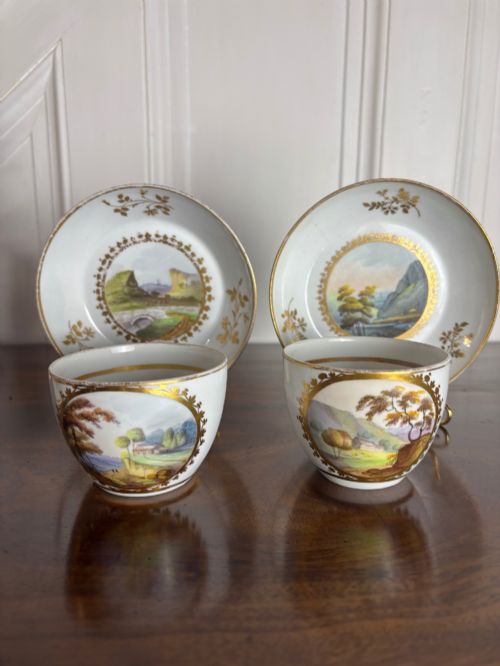


Painted Bone China Bowl
A painted bone china bowl is a decorative vessel of refined ceramic work, sought after for its delicate glaze and detailed hand-painted scenes.
Painted Bone China Bowl
A painted bone china bowl represents a traditional form of British ceramic tableware, designed primarily for sugar, fruit, or service upon the dining table. These pieces emerge across various historical periods, including the Georgian, Regency, Victorian, and Edwardian eras, reflecting changing domestic habits. Collectors encounter sugar bowls, cream and sugar sets, and specialised botanical or fruit dishes.
The objects listed display diverse decorative motifs, ranging from botanical studies and landscape scenes to traditional Imari patterns and fruit compositions. Many examples function as cabinet pieces or serving dishes, while others form part of larger porcelain trios and tea services. Their forms vary from simple rounded bowls to twin-handled vessels and footed dishes.
Materials and production methods
Potters produced these vessels using bone china and porcelain, combining china clay with calcined bone ash to achieve a durable yet translucent body. Craftsmen then applied enamel paint by hand, often detailing botanical subjects, landscapes, or fruit arrangements directly onto the glazed surface. Kiln firing fixed the colours permanently into the glaze.
Gilt, gold leaf, and gold gilding frequently accent the rims, handles, and borders of the pieces. These metallic embellishments required careful secondary firing to bond the precious metal to the porcelain body, complementing the painted central imagery.
Listings feature porcelain, bone china, enamel, and gold leaf across Georgian, Regency, Victorian, and 20th-century periods.
Distinctions in quality
Quality rests upon the precision and artistic merit of the hand-painted decoration, where master artists achieved depth and botanical accuracy in floral and fruit studies. The crispness of the porcelain moulding and the delicacy of the bone china body further separate standard wares from finer productions. Skilled gilding that remains crisp and bright indicates superior original manufacture.
The integration of form and ornament determines the standing of a piece within its period. Well-balanced proportions, clear factory marks, and harmonious use of enamel colours distinguish the most accomplished examples from simpler domestic wares.
Royal Doulton·Minton·Spode·Mintons·Royal Crown Derby·Coalport·Royal Worcester·Ridgway
The Painted Bone China Bowl Glossary
- Bone china
- A type of soft-paste porcelain incorporating bone ash, which creates a strong, white, and slightly translucent ceramic body. This material allows for thinner vessel walls than standard earthenware.
- Enamel
- Opaque vitreous paint applied to the surface of fired porcelain before a secondary low-temperature kiln firing. It provides vibrant, lasting colour to hand-painted designs.
- Gilding
- The application of gold leaf or powdered gold suspended in a medium to the ceramic surface. It highlights rims and handles with a metallic lustre.
- Sucrier
- A covered vessel designed specifically for holding sugar on the tea table. These often match tea bowls, cream jugs, and larger porcelain services.
- Imari
- A decorative style inspired by Japanese export wares, characterised by a palette of underglaze blue, iron red, and abundant gold gilding. British factories adopted this aesthetic widely during the nineteenth century.
Painted Bone China Bowl: Frequently Asked Questions
What is a painted bone china bowl?
A painted bone china bowl is a fine ceramic vessel made from bone ash porcelain and decorated with hand-painted enamels, commonly depicting fruit, flowers, or landscapes.
These pieces were produced by major British factories across the Georgian, Victorian, and early twentieth-century periods for domestic service or display.
How were painted bone china bowls used?
Historically, these bowls served functional roles on the dining and tea table, holding sugar, cream, fruit, or soup depending on their specific form.
Many smaller vessels formed part of matching tea services or dessert sets, while others functioned as decorative cabinet pieces.
How do I care for a painted bone china bowl?
These delicate ceramic items require gentle hand washing in warm water using mild soap, avoiding abrasive sponges or modern dishwashers that can damage the enamel paint and gold gilding.
Careful handling protects the thin bone china body and prevents scratching on the glazed surfaces.
How can I tell the period of a bowl?
The period can often be identified through factory backstamps, stylistic traits such as Regency or Rococo Revival forms, and the specific painting techniques used by the artists.
Material composition and decorative motifs like botanical studies or Imari patterns also provide clear clues to the date of manufacture.