


Antique Bon Bon Dish
An antique bon bon dish is a small decorative vessel meant for confectionery, bringing Victorian and Edwardian refinement directly to a table.
Antique Bon Bon Dish
An antique bon bon dish serves as a small serving vessel designed specifically for sweets, nuts, and small confections during formal dining and tea service. These pieces appear across the nineteenth and twentieth centuries, spanning the Victorian and Edwardian eras through to the Art Nouveau and Art Deco periods.
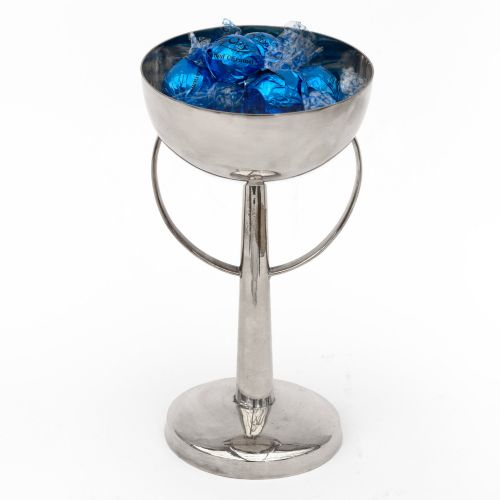
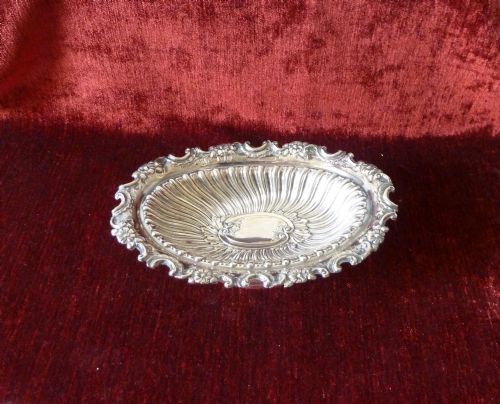
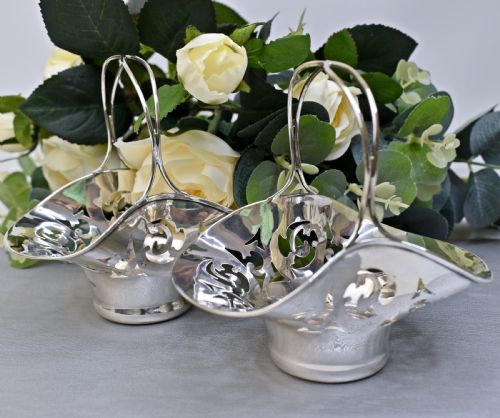
The form frequently manifests as a pedestal bowl, a small basket with a swing handle, or a shallow pierced dish. Most examples found here originate from English workshops and domestic makers, though continental European and Scandinavian pieces occasionally surface.
Buyers encounter versions cast in solid sterling silver, plated metal, or coloured glass mounted in metal frameworks. The variety includes handled sweetmeat baskets, pierced dishes, and enamel-painted ceramic vessels.
How They Were Made
Silversmiths employed techniques such as piercing, chasing, and stamping to shape sterling silver and silver-plated copper into intricate baskets and trays. Piercing created openwork lattice patterns, while chasing produced raised floral and ribbon motifs on the metal surface.
Glassmakers utilised hand-blowing and moulding processes to produce vessels in cranberry, cobalt blue, and pink opaque glass. These glass liners were often paired with pierced metal frames or encased in silver mounts.
Ceramic examples relied on bone china bodies finished with hand-painted fruit and floral decoration, glazed and fired in traditional kilns.
Some Edwardian silver dishes arrive complete with miniature swing handles, ready to be carried like tiny shopping baskets filled with sugar.
What Varies in Quality
The weight of the metal and the crispness of the piercing distinguish finer sterling silver examples from lighter or plated alternatives. Crisp chasing on floral swags and defined ribbon bows indicate superior silversmithing skill.
The depth of colour and clarity in the glass components dictate the visual appeal of glass and silver combinations. Hand-blown glass featuring rich cranberry or cobalt tones holds greater distinction than uniform moulded pieces.
Maker attribution and legible hallmarks provide archival authority that elevates an object above unmarked commercial production.
Fenton Brothers·Roberts and Belk·Elkington and Co·William Devenport·William Comyns·Charles Stuart Harris·Carrington and Co·Charles Horner
The Antique Bon Bon Dish Glossary
- Sterling Silver
- A silver alloy containing 92.5 percent pure silver and 7.5 percent other metals, usually copper, ensuring structural durability for tableware. This standard metal forms the basis of many English bon bon baskets.
- Pierced
- A decorative technique involving the cutting or piercing of patterns through sheet metal to create openwork designs. This method lightens the appearance of silver dishes and forms intricate lattice work.
- Cranberry Glass
- A red transparent glass coloured with gold chloride during the melting process, popular during the nineteenth century. It frequently appears combined with silver plate in sweetmeat dishes.
- Chasing
- A metalworking technique where the artisan hammers the front surface of the metal to depress it and create low-relief designs. Floral chasing often decorates the borders of Victorian sweet baskets.
- Sweetmeat
- A historical term for sweet confections, dried fruits, or candied nuts served in small dishes during dessert courses.
Antique Bon Bon Dish: Frequently Asked Questions
What was an antique bon bon dish used for?
These vessels held small sugary confections, almonds, and small mints served at the conclusion of formal meals or during afternoon tea.
Hosts placed them within easy reach of guests on the dining table or sideboard as part of the dessert service.
How do I clean silver bon bon dishes?
Standard silver care involves warm water, mild soap, and a soft cloth to remove dust and tarnish without abrasive scrubbing.
Harsh chemical dips should be avoided on pieces with glass inserts or delicate pierced work to protect the original finish.
Are glass liners original to the metal frames?
Original glass liners fit snugly into the metal baskets or mounts without excessive movement or gaps.
Matching the period of the glass colour and the style of the silver frame helps confirm whether components belong together.
How can I tell the period of a silver dish?
Hallmarks stamped on sterling silver provide date letters and assay office marks that pinpoint the exact year of manufacture.
Stylistic indicators such as Art Nouveau curves or Victorian floral chasing also offer strong clues to the decade of creation.