


English Bone China Bowl
An english bone china bowl brings refined ceramic artistry to the table, offering durable elegance and classic decoration from various historical periods.
English Bone China Bowl
An english bone china bowl encompasses various vessel types designed for sugar, serving, and decorative display across multiple eras.
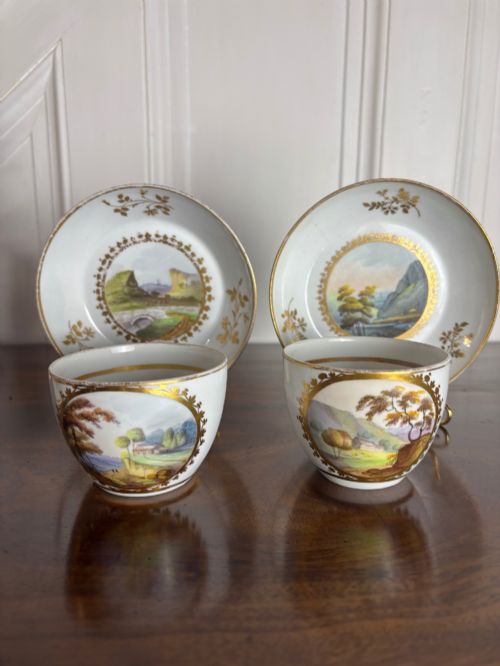
The versions most commonly met in these listings include sugar bowls and decorative bowls from the Victorian, Edwardian, and Art Deco periods, alongside earlier Regency pieces.
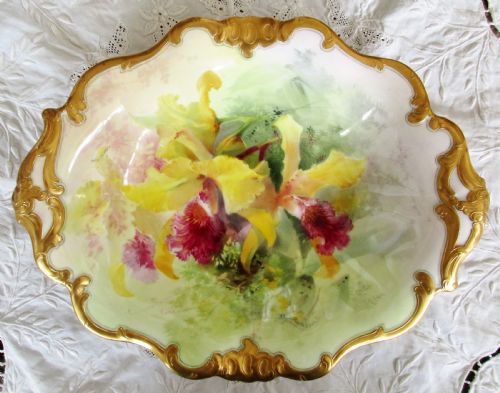
Makers utilised porcelain and bone china to create functional domestic items that frequently feature hand-painted botanical or fruit motifs.
Standards of Execution
Quality separates through the precision of hand-painted details, such as botanical or fruit illustrations executed by named artists, compared to standard transfer printing.
The application and preservation of gold leaf or gilt gilding influences the overall standard of each piece, alongside the finesse of the moulded ceramic form.
One enthusiastic artist signed their bowl simply as K Blake, leaving a permanent splash of painted fruit for posterity.
Royal Doulton·Minton·Spode·Mintons·Royal Crown Derby·Coalport·Royal Worcester·Ridgway·Wedgwood·Flight, Barr and Barr·Gladstone potteries
The English Bone China Bowl Glossary
- Bone china
- A type of soft-paste porcelain containing animal bone ash, providing strength and a characteristic milky translucency. This material allows for thinner vessel walls without sacrificing durability.
- Sucrier
- A French term for a sugar bowl or sugar box, often supplied with a matching cover. These vessels formed part of larger tea services in domestic settings.
- Imari
- A decorative style originating from Japanese export porcelain, characterised by underglaze blue and iron red with supplementary gold gilt. English potteries adopted this aesthetic widely during the Victorian era.
- Gilt
- A thin layer of gold applied to the surface of the porcelain as a decorative accent. This technique enhances the rims, handles, and painted borders of tea wares.
- Cabinet dish
- A decorative ceramic piece intended for display in a cabinet rather than functional dining use. These items frequently feature elaborate painted scenes by recognised artists.
English Bone China Bowl: Frequently Asked Questions
How do I use an antique sugar bowl today?
These sugar bowls function well on the dining table for serving sugar cubes or loose condiments during afternoon tea.
Alternatively, they serve effectively as small decorative containers for holding trinkets or small items on a mantlepiece.
Are these bowls suitable for daily use?
Most of these pieces contain delicate enamel paints and gold leaf applications that require careful hand washing rather than machine cleaning.
Gentle handling ensures the historical surface decorations and gilt rims remain intact over years of domestic enjoyment.
How can I tell a Victorian bowl from a Regency one?
Regency vessels often display neoclassical shapes and refined botanical patterns influenced by early nineteenth-century design aesthetics.
Victorian pieces frequently exhibit bolder ornamentation, such as Imari palettes or heavier floral motifs typical of later nineteenth-century production.
What does painted fruit mean on Royal Worcester pieces?
Painted fruit refers to a specific artistic tradition where skilled painters rendered detailed botanical fruit studies directly onto the porcelain surface.
Artists signed many of these works, creating highly collectible pieces distinct from standard factory transfer-printed wares.