
Painted Porcelain Fruit Dish
A painted porcelain fruit dish brings tactile colour and hand-rendered detail to a table, offering a glimpse into centuries of ceramic artistry.
Painted Porcelain Fruit Dish
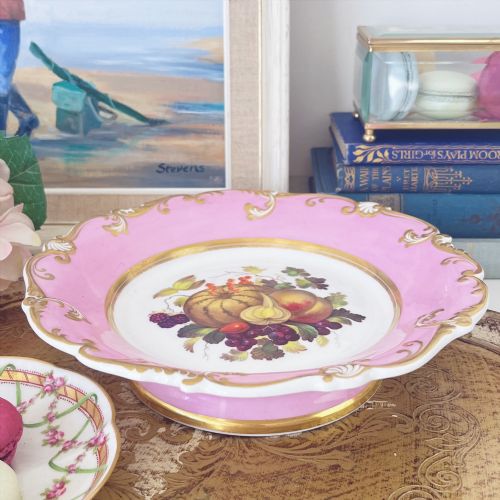
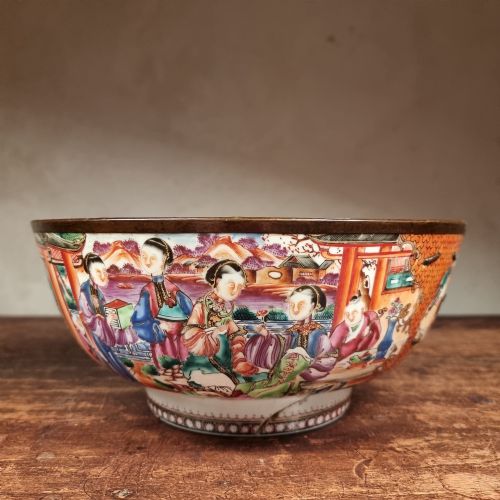
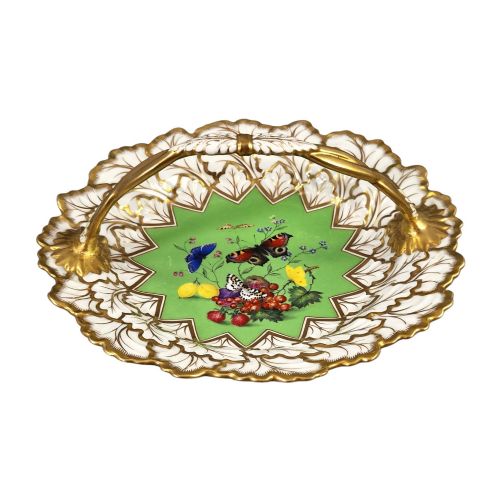
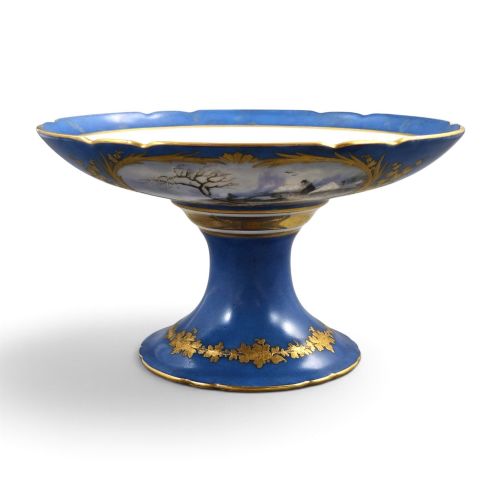
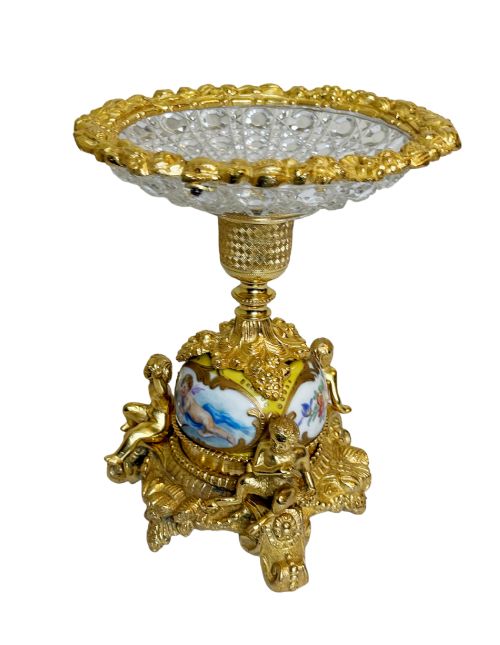
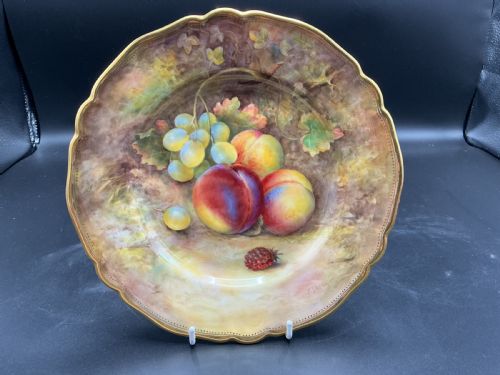
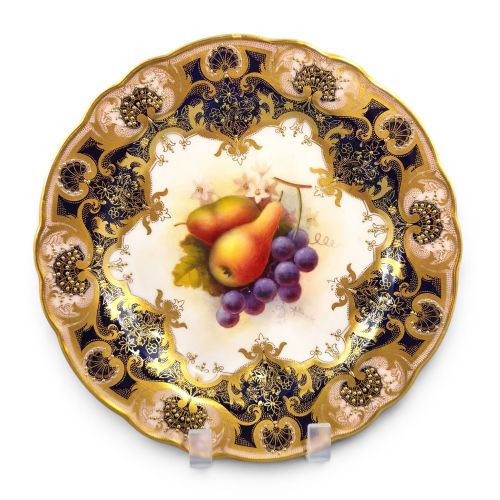
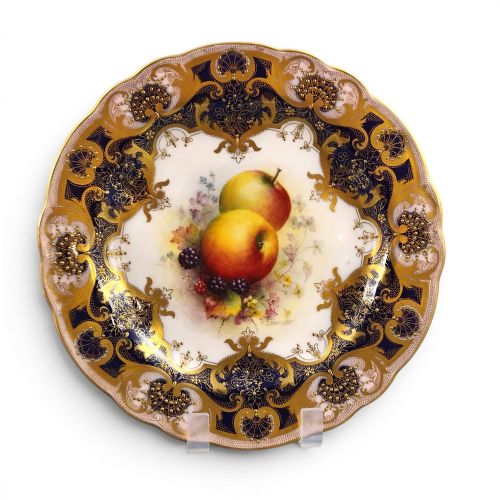
When searching for a painted porcelain fruit dish, collectors encounter pieces spanning from the eighteenth century through to the mid-twentieth century, with notable contributions from English factories like Royal Worcester alongside continental and Asian workshops. These items manifest as cabinet plates, comports, footed bowls, and tazzas, designed originally for display or service rather than heavy domestic use.
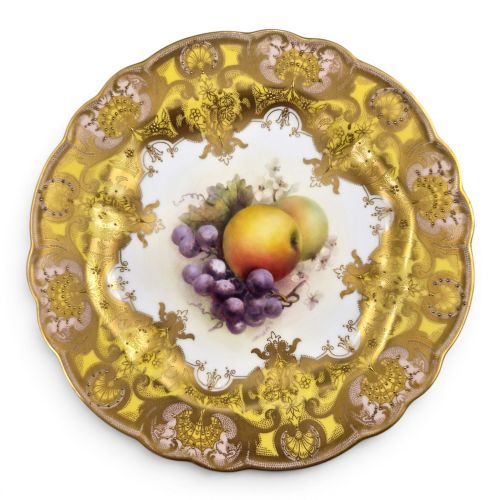
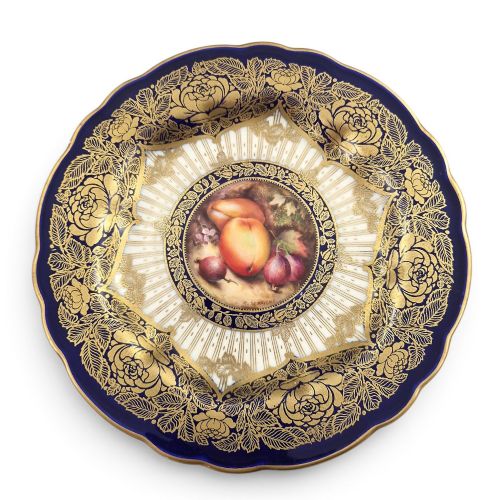
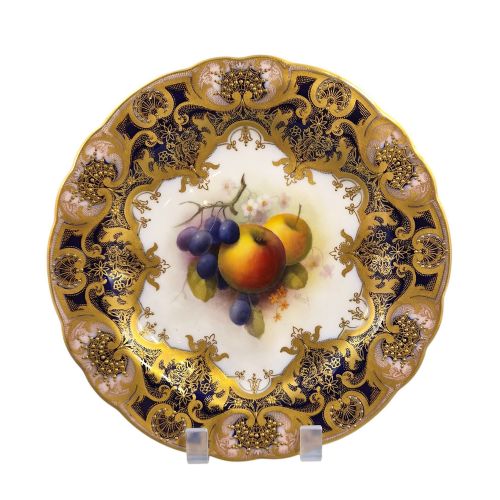
The nineteenth century yields significant examples, including Regency and Victorian pedestal dishes and cabinet plates featuring elaborate botanical and fruit studies. Pieces from this era often display deep coloured grounds, gilded borders, and hand-painted motifs that reflect changing aesthetic movements from French Rococo revival to traditional English floral design.
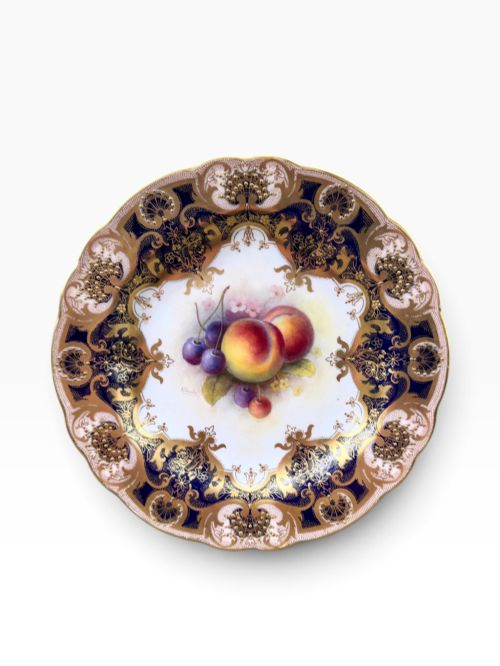
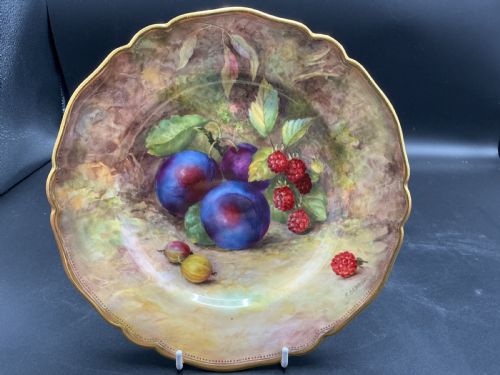
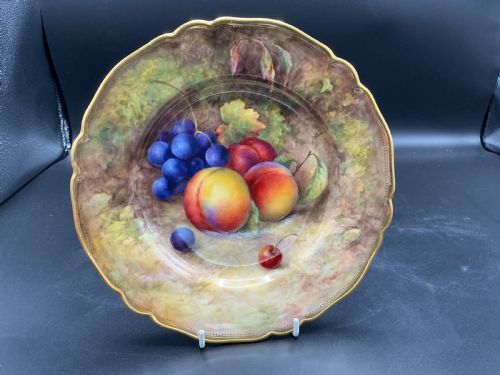
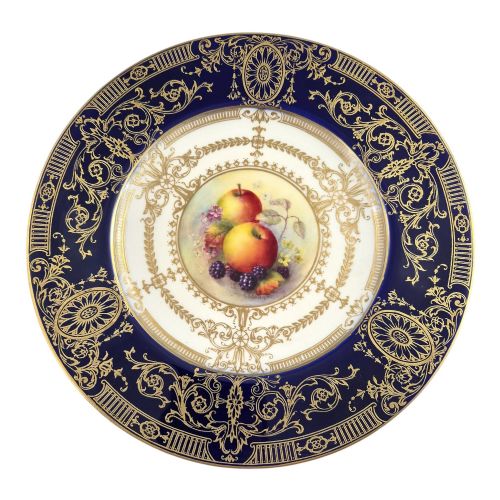
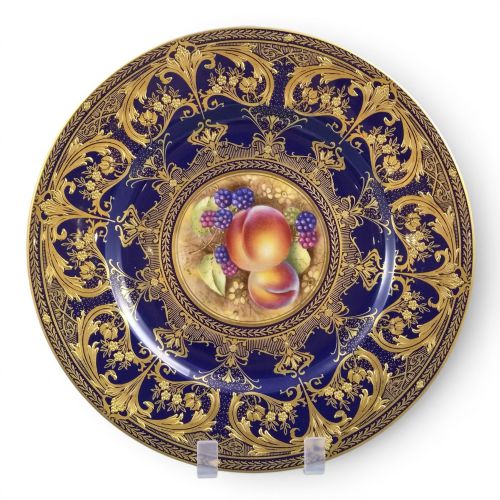
Later pieces extend into the twentieth century, maintaining traditional hand-painting techniques on bone china and porcelain blanks. These items demonstrate continuity in decorative subject matter, particularly detailed fruit studies signed by studio artists working within established ceramic manufactories.
Materials and construction methods
The creation of these objects relies upon refined porcelain or bone china bodies, shaped either by throwing on a wheel or pressing into moulds to form plates, baskets, and footed comports. Artisans then applied enamel paints by hand, often building up layers of pigment to achieve realistic depictions of fruit and foliage before subjecting the piece to multiple kiln firings to fuse the colours.
Gilding forms a vital component of the manufacturing process, utilising gold leaf or liquid gold applied to rims, handles, and borders to accentuate the painted central well. Enamel paints and gilding interact with the smooth glazed porcelain surface, creating a durable finish that preserves the intricate brushwork over generations.
The available pieces span multiple eras, including the eighteenth century, the Victorian period, and the 1930s.
Judging quality and execution
Quality resides in the precision of the brushwork and the naturalism of the painted fruit studies, where individual artists demonstrate mastery through subtle shading and fine detail. Named artists working for major factories generally command attention due to the documented skill evident in their signed compositions.
The integration of the decorative elements dictates the overall success of the piece, from the crispness of the moulded porcelain blank to the richness of the applied gilding. Superior examples maintain balance between the painted central motif and the ornamental border, showing no signs of smudging or uneven kiln gloss.
Royal Worcester·Flight, Barr & Barr·H & R Daniel·Kornilov Brothers
The Painted Porcelain Fruit Dish Glossary
- Comport
- A raised dish or bowl used for serving fruit or sweets at the table. These pieces often feature pedestals or footed bases.
- Cabinet plate
- A decorative plate intended for display in a cabinet rather than for dining. They frequently feature detailed hand-painted scenes and gilt borders.
- Gilding
- The application of gold leaf or gold paint to ceramic surfaces. This technique highlights rims and structural details.
- Imari
- A style of Japanese porcelain decorated in underglaze blue and iron red, with supplementary gold. This aesthetic heavily influenced European ceramic makers.
- Biscuit
- Unglazed porcelain fired once to a porous state. Some figures and decorative vessels utilise this matte finish.
Painted Porcelain Fruit Dish: Frequently Asked Questions
How do I care for antique painted porcelain?
Wash these items by hand using warm water and a mild detergent, avoiding abrasive sponges that might damage delicate enamel paints and gold leaf.
Store or display them away from direct sunlight to prevent the pigments from fading over time.
Were these dishes used for actual fruit?
Many of these pieces served an ornamental function in formal dining rooms, holding fresh or preserved fruit during dessert courses.
Fine cabinet plates and tazzas were frequently displayed on sideboards or within glazed furniture when not in use.
How do I identify the maker?
Inspect the underside of the base for factory stamps, painted marks, or impressed ciphers corresponding to specific ceramic works.
Signatures near the edge of the painted fruit scene often indicate the individual artist who executed the artwork.
What is the difference between porcelain and bone china?
Traditional porcelain utilises kaolin clay and petuntse fired at high temperatures to create a dense, white, vitrified body.
Bone china incorporates animal bone ash into the paste, resulting in a slightly warmer tone and increased translucency.