



Salt Glazed Pottery
Salt glazed pottery brings together dense stoneware bodies and textured, pebble-dash surfaces forged in kilns across the centuries.
Salt Glazed Pottery
Salt glazed pottery comprises utilitarian vessels and decorative objects formed from stoneware and clay, spanning the eighteenth, nineteenth, and early twentieth centuries.
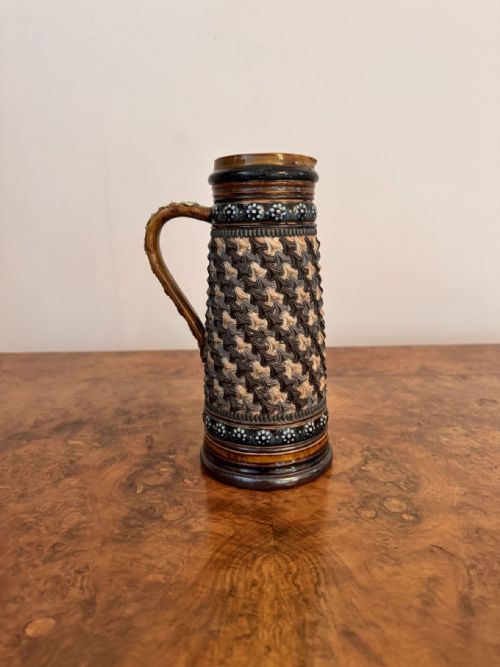
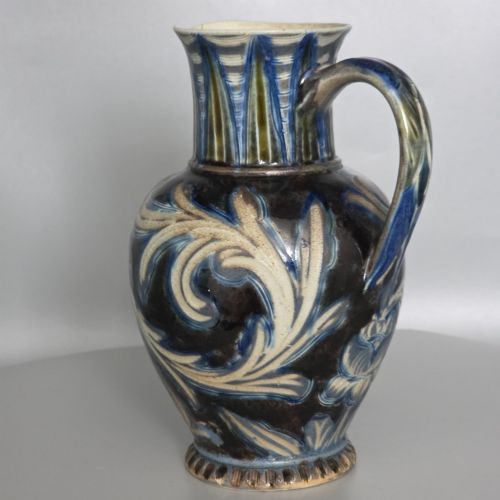
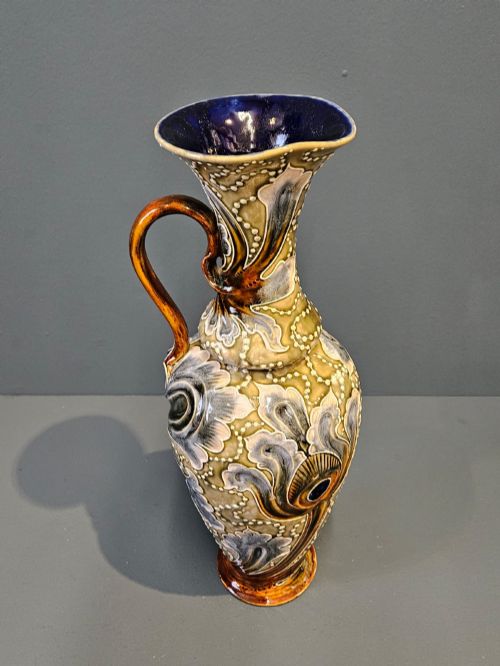
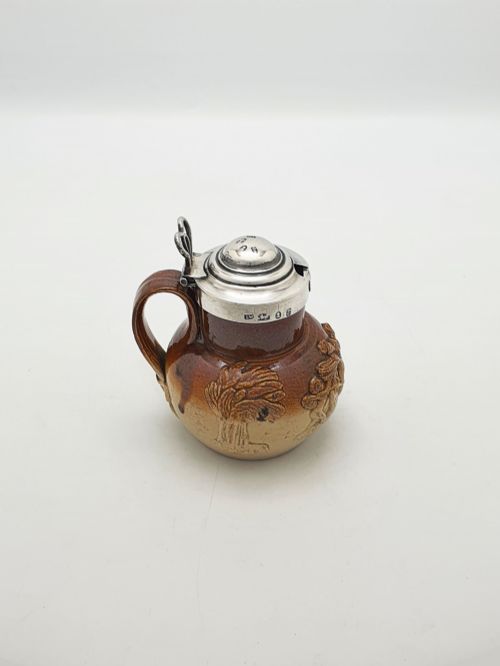
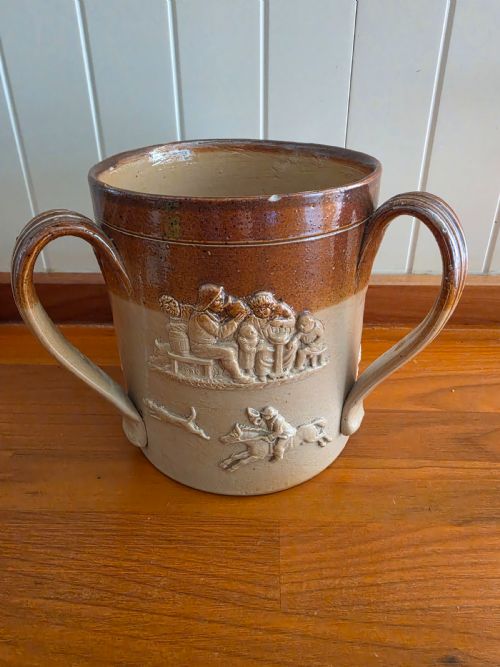
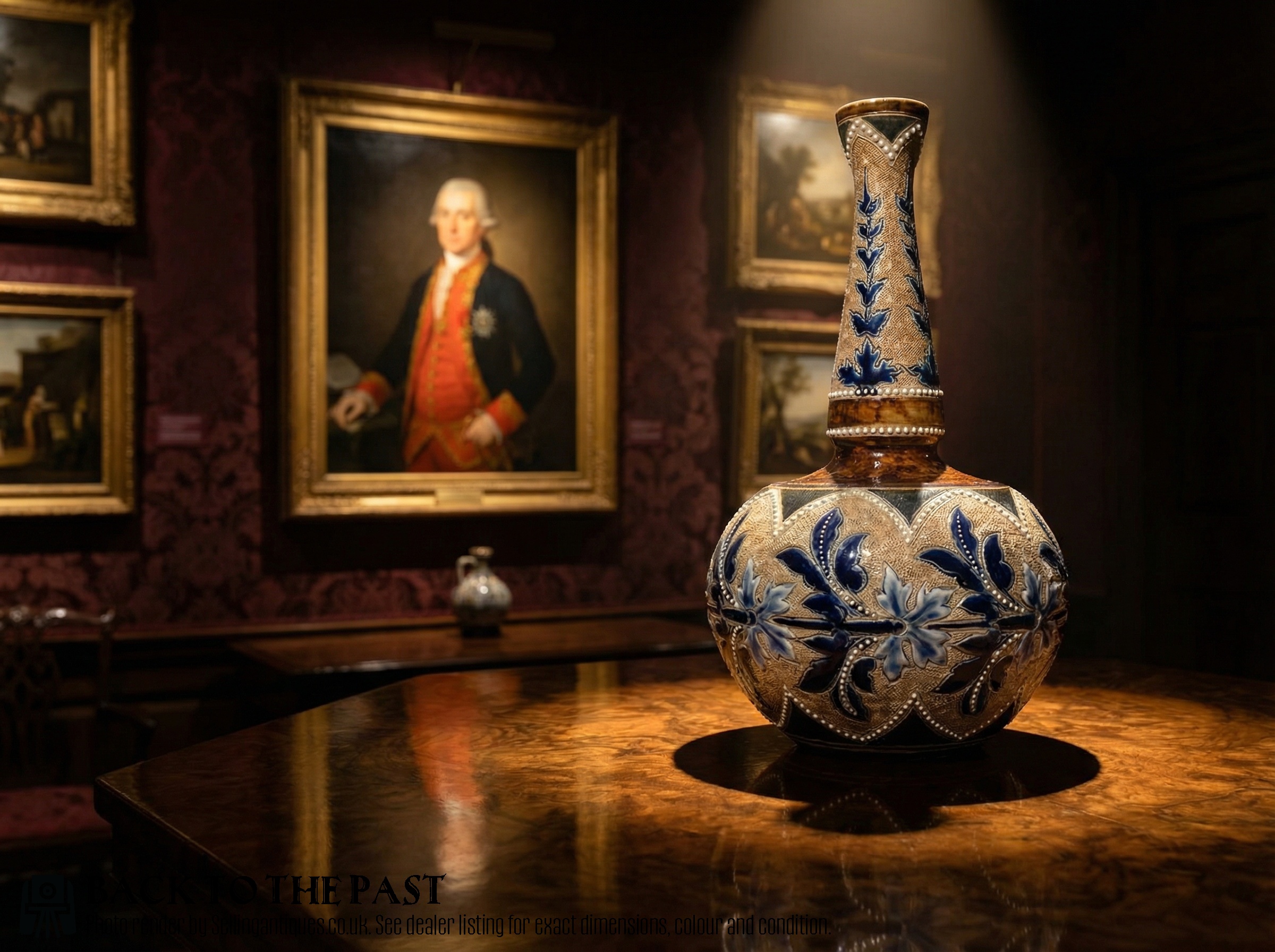
The pieces appearing most frequently on this page are Victorian jugs, tankards, and ewers originating from the Doulton Lambeth factory.
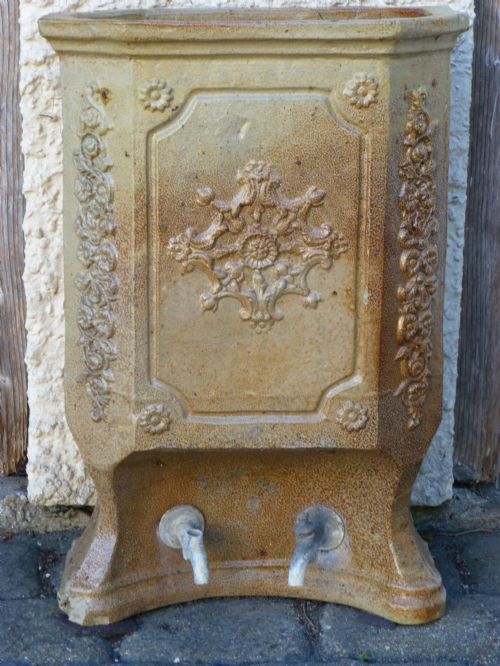
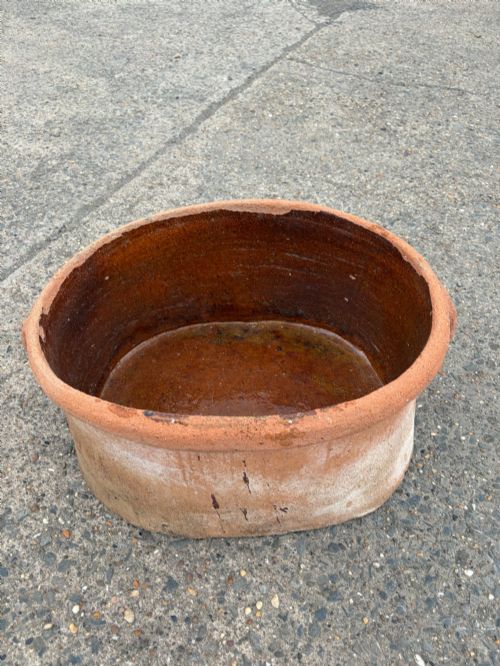
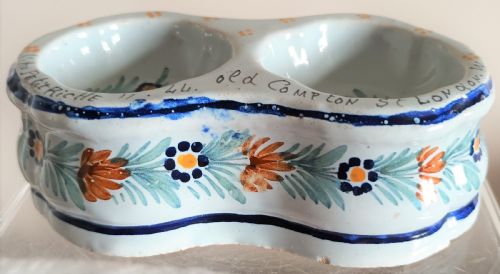
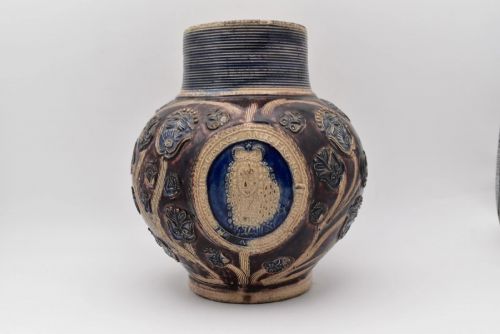
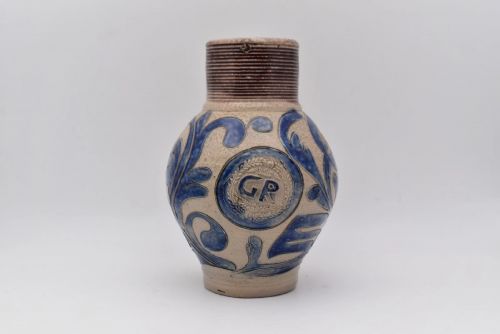
Collectors also encounter German Westerwald tankards and French storage vessels alongside early English salt-glazed stoneware containers.
How they were made
Potters threw stoneware clay on a wheel or moulded it into forms before introducing common salt into the kiln during the high-temperature firing stage.
The vaporised salt reacted with the silica in the clay body to create a distinct, durable glaze with an orange-peel texture.
Object forms range from water filtration fountains and jardinières to puzzle jugs and table salts.
What varies in quality
Quality rests upon the crispness of incised decoration, the control of the kiln atmosphere, and the precision of applied sprigged reliefs.
Makers such as Doulton Lambeth achieved distinction through skilled artists who decorated stoneware with detailed foliage, portraits, and abstract patterns.
Doulton Lambeth·Fulham Pottery·Royal Doulton·Moorcroft
The Salt Glazed Pottery Glossary
- Salt glaze
- A vitreous coating formed by throwing common salt into the kiln at the height of the firing, producing a pitted surface texture.
- Stoneware
- A dense, hard ceramic fired at high temperatures until the clay body vitrifies and becomes impervious to liquids.
- Sprigged
- Relief ornamentation moulded separately and applied to the unfired vessel body using slip as an adhesive.
- Westerwald
- A German region renowned for historical grey stoneware vessels decorated with cobalt blue and manganese purple pigments.
- Puzzle jug
- A drinking vessel with a perforated neck that forces the user to solve a trick to drink without spilling.
Salt Glazed Pottery: Frequently Asked Questions
How do I identify salt glazed pottery?
Look closely at the surface texture, which should resemble the dimpled skin of an orange rather than a smooth, glassy finish. This distinctive finish results from salt vaporising inside a hot kiln.
Examine the material beneath the glaze to ensure it is hard, dense stoneware rather than porous earthenware. Many pieces also feature incised or sprigged decoration typical of nineteenth-century production.
Can I use these vessels for food and drink?
Most historical salt-glazed stoneware vessels were originally designed for holding liquids such as ale, wine, water, or preserves. Their vitrified bodies are inherently non-porous and held up well to daily domestic tasks.
Care should be taken with antique pieces featuring metal mounts like sterling silver collars or hinges, which require gentle hand cleaning.
How do I distinguish German Westerwald from English pieces?
German Westerwald pieces typically date from the seventeenth and eighteenth centuries, displaying grey stoneware bodies with cobalt blue floral or royal cipher incisions. They often take the form of round jugs or tankards.
English pieces on this page lean heavily towards later Victorian Doulton Lambeth production, showcasing rich browns, creams, and elaborate arts and crafts ornamentation.