
Art Nouveau Ceramics
Art nouveau ceramics bring fluid lines and iridescent surfaces into your home, offering a distinct aesthetic that defines early twentieth-century design.
What art nouveau ceramics are
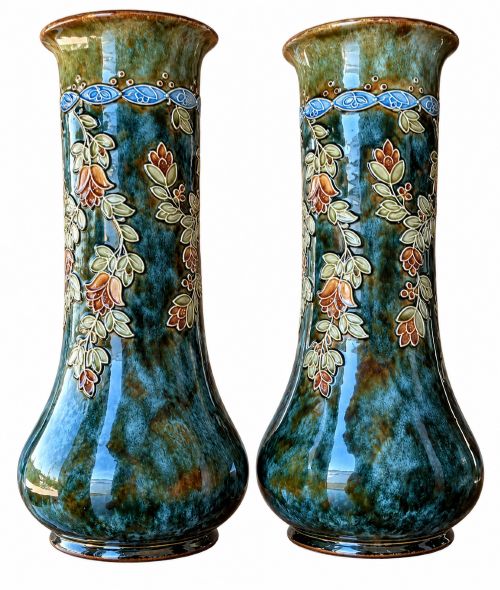
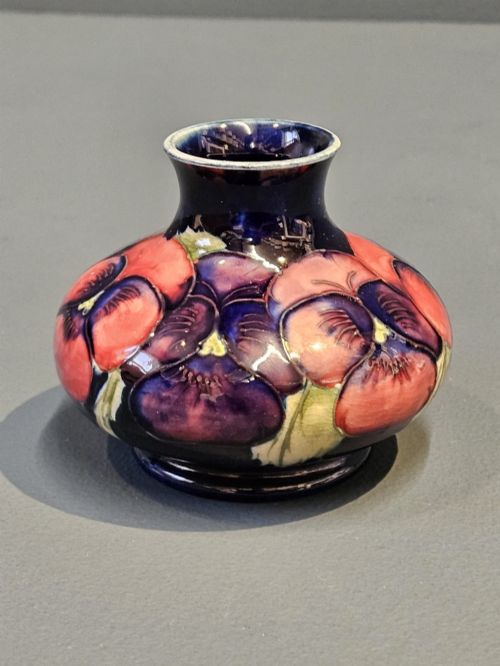
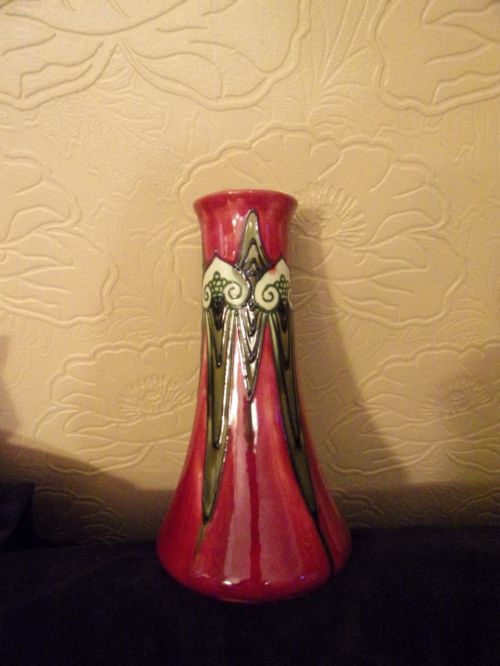
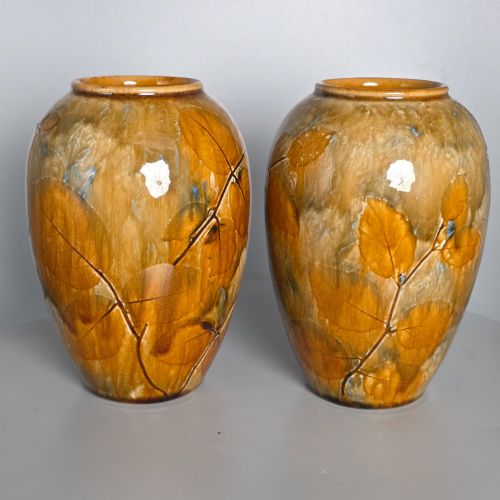
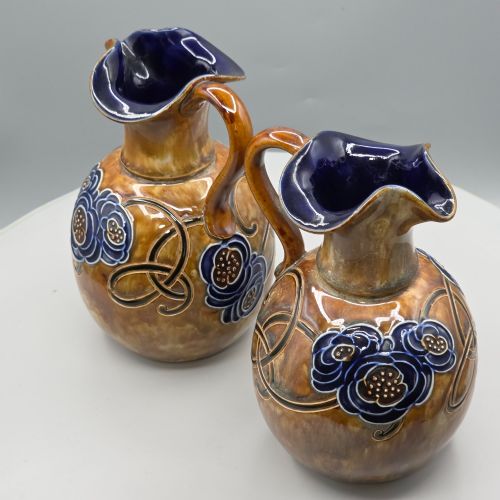
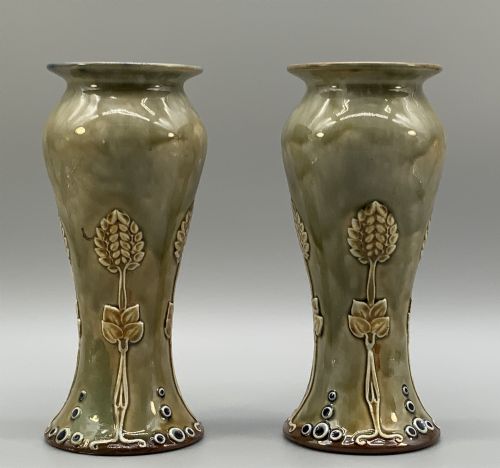
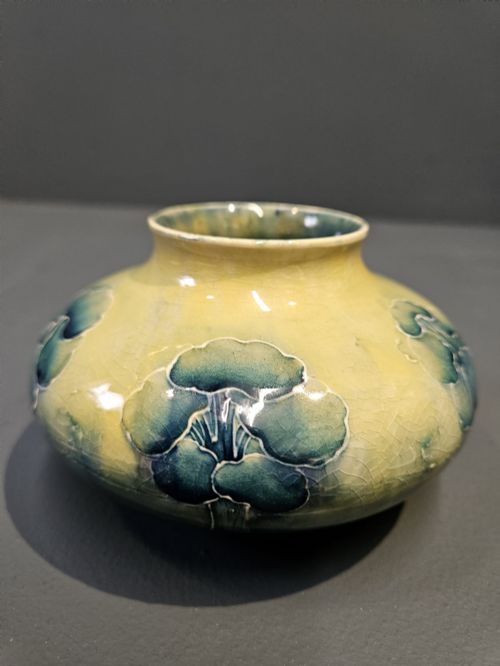
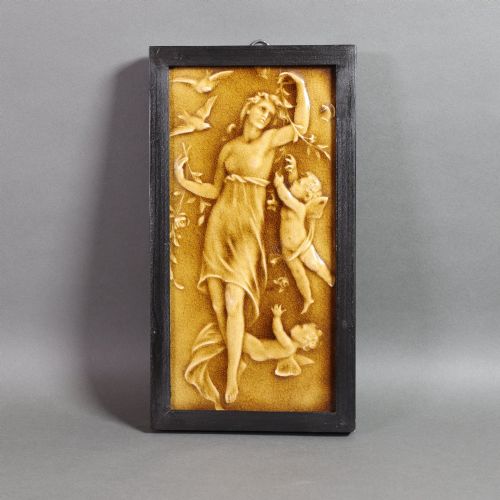
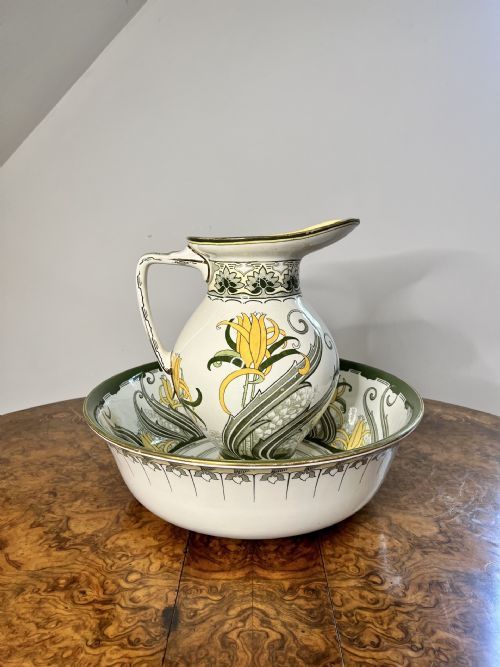
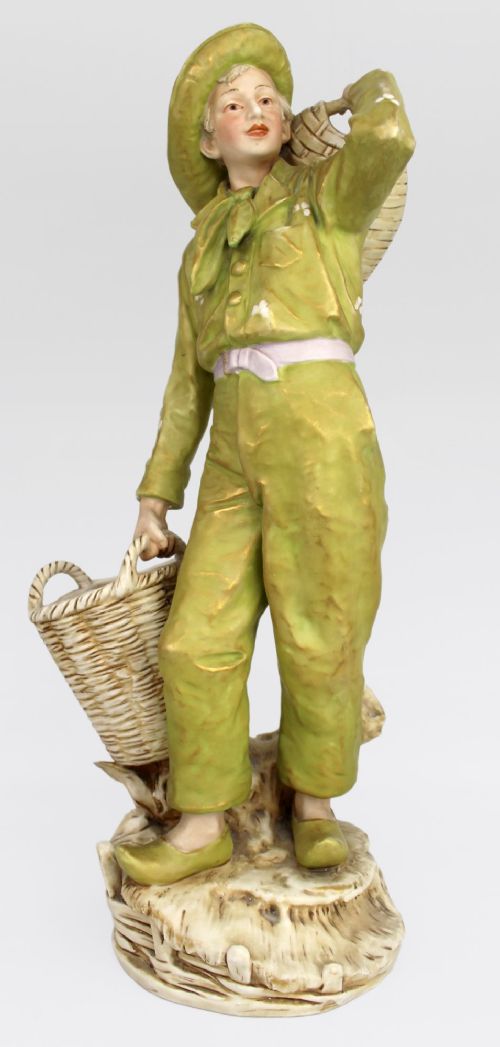
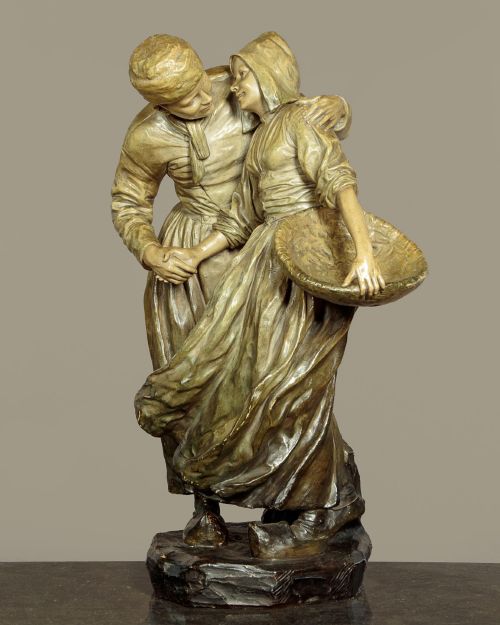
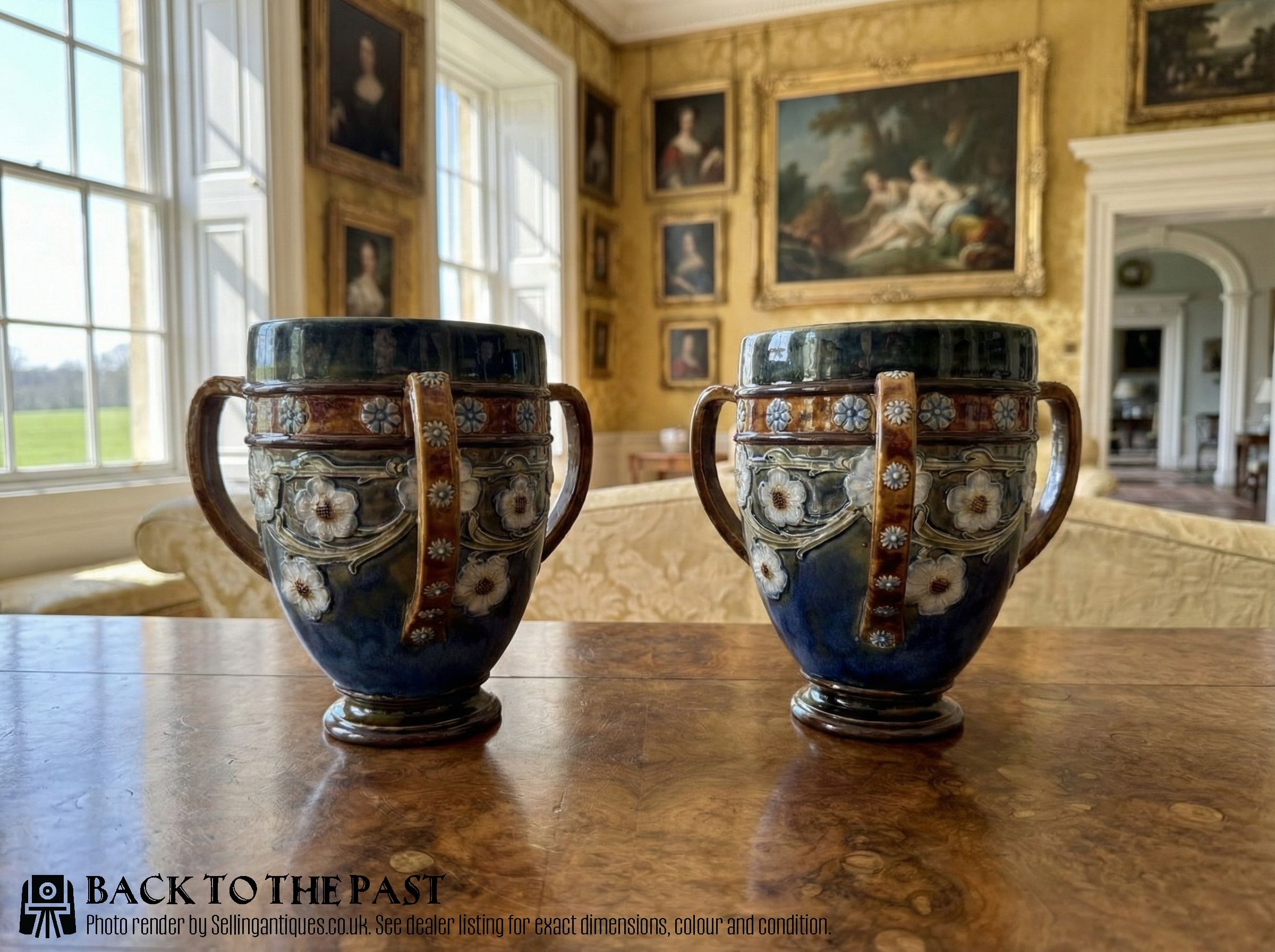
Art nouveau ceramics represent a period of expressive pottery and decorative objects spanning the nineteen hundreds and nineteen tens. When searching for art nouveau ceramics, buyers encounter distinctive forms such as vases, loving cups, and decorative bowls.
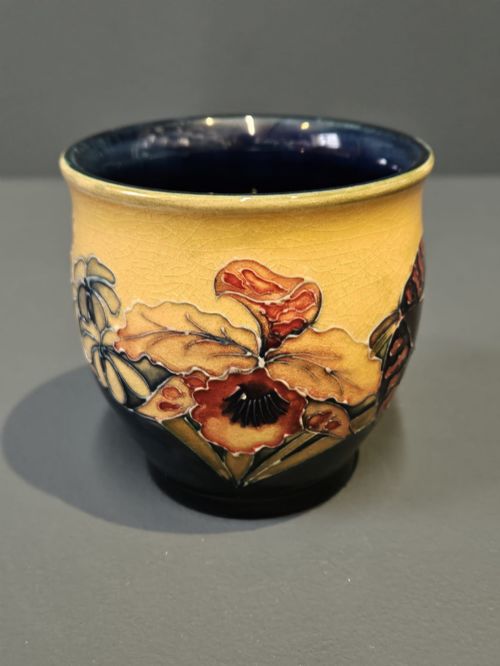
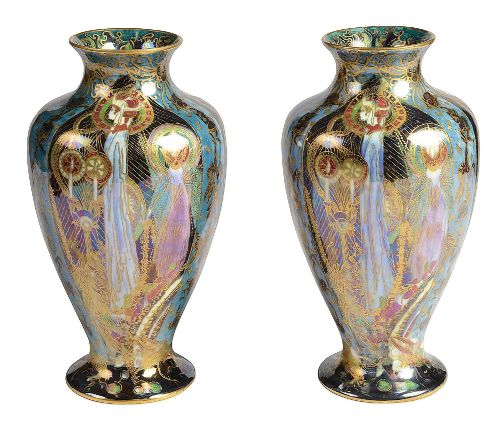
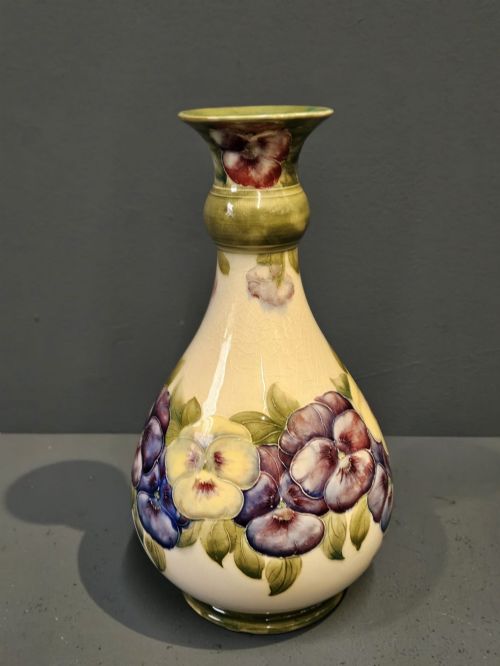
The pieces listed on this page originate from around nineteen hundred to nineteen ten, capturing the peak of the style. These ceramics include notable examples like the Moorcroft Hazeldene made for Liberty's vase and Wedgwood lustre butterfly bowls.
Makers and potteries of this era embraced organic shapes and natural motifs. The selection showcases how British workshops interpreted the continental art nouveau movement through earthenware and glazed stoneware.
How they were made
Potters shaped these objects using ceramic and earthenware bodies, frequently firing them into robust glazed stoneware. The forming techniques allowed for the flowing, curved profiles characteristic of the period.
Makers applied complex surface treatments including metallic glazes and delicate gold leaf to catch the light. Lustre techniques created shimmering, iridescent finishes that defined pieces like the Wedgwood butterfly bowl.
Some loving cups were made with multiple handles so friends could share a drink without spilling during Victorian toasts.
What varies in quality
Quality in art nouveau ceramics rests upon the execution of the glaze and the crispness of the form. The depth of metallic glazes and the evenness of lustrous finishes separate standard items from superior works.
Collaboration with notable retailers and designers elevates the standing of a piece. Connections to established names like Liberty's or renowned designers indicate exceptional artistic ambition during manufacture.
Moorcroft·Royal Doulton·Wedgwood
The Art Nouveau Ceramics Glossary
- Earthenware
- A porous pottery fired at lower temperatures, commonly used as the base body for glazed decorative vessels. It requires an impervious glaze to hold liquids.
- Lustre
- A type of ceramic glaze that imparts a metallic or iridescent sheen through the reduction of metallic salts during firing. This technique creates a butterfly-wing effect on the surface.
- Stoneware
- A dense, vitreous ceramic fired at high temperatures until non-porous. Glazed stoneware offers superior durability and a smooth canvas for flowing designs.
- Metallic glaze
- A surface finish incorporating metal oxides that produce reflective, shimmering tones. It enhances the organic contours typical of art nouveau forms.
- Gold leaf
- Beaten gold applied to the surface of ceramics for decorative accent. It highlights specific details and adds a layer of opulence to the finished object.
Frequently Asked Questions
What are art nouveau ceramics?
Art nouveau ceramics are decorative pottery pieces produced around nineteen hundred and nineteen ten, characterised by organic forms and flowing lines.
These items encompass vases, bowls, and loving cups created by notable British potteries and designers.
How do I identify art nouveau pottery?
Look for characteristic styling that reflects natural motifs, asymmetrical shapes, and sinuous plant-like curves.
Examination of the glaze often reveals metallic sheens, lustrous finishes, and rich colour palettes typical of the early twentieth century.
What materials were used?
Potters utilised ceramic, earthenware, and glazed stoneware as the primary foundations for shaping these decorative objects.
Surfaces were frequently enhanced with specialised metallic glazes, lustres, and occasional applications of gold leaf.
How do I display these ceramics?
Place these vessels in areas with good natural light to fully appreciate the iridescent qualities of their metallic glazes.
Ensure they sit securely on stable surfaces where their distinct silhouettes and decorative bowls can be viewed from multiple angles.