
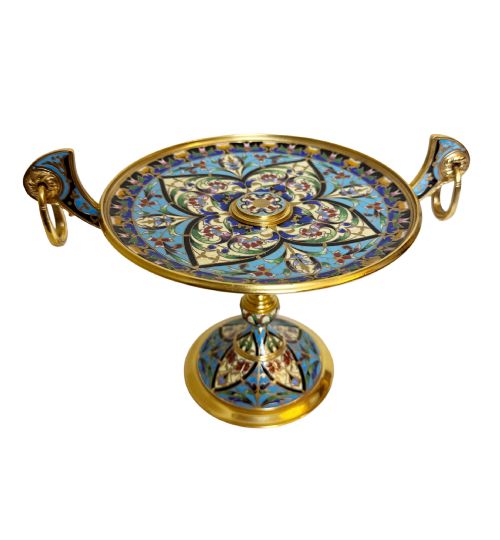
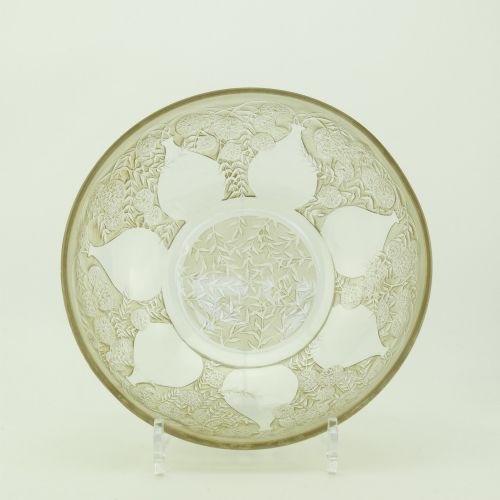

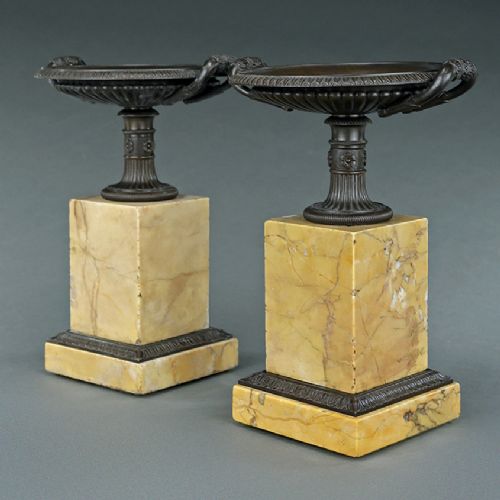


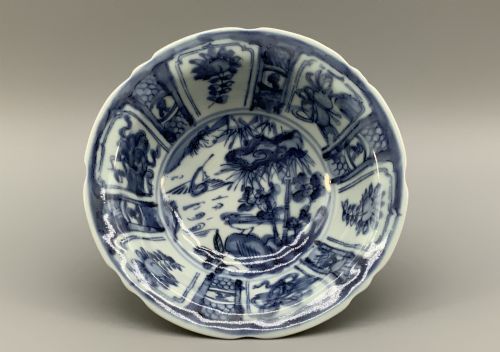
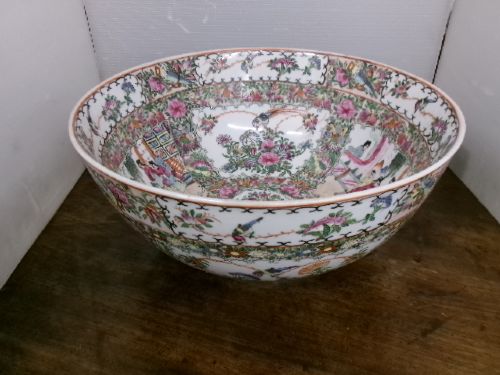
Antique Decorative Bowl
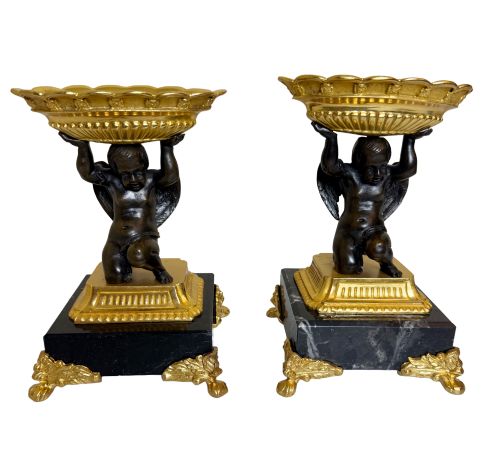
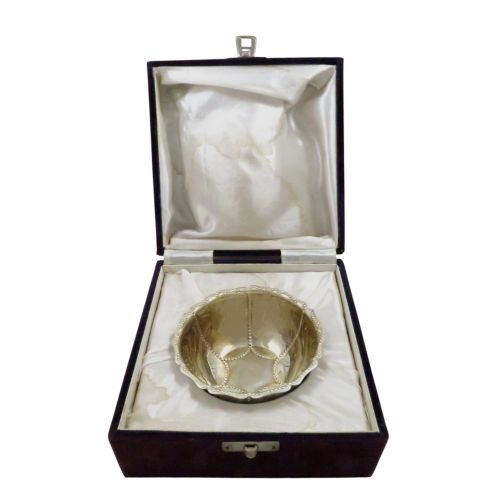
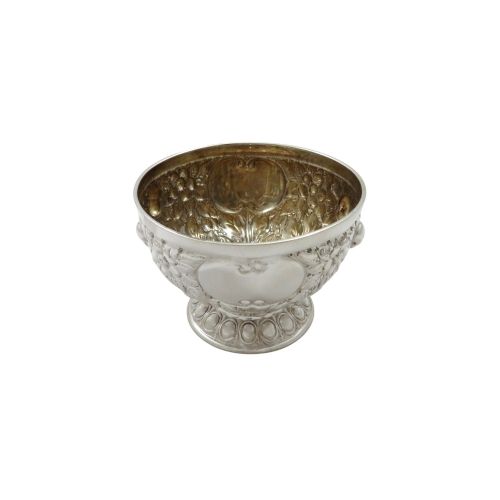
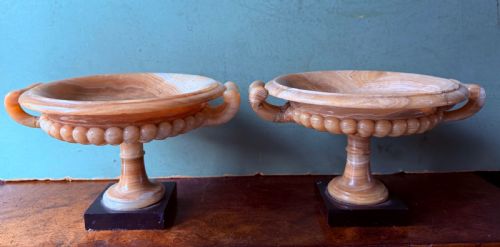
An antique decorative bowl brings character to a room, offering both history and utility through varied ceramics, metals, and woods.
What these pieces are
The selection ranges from early soft-paste porcelain and earthenware to rich slipware and turned wood. Pieces from the eighteenth and nineteenth centuries dominate the field, alongside Edwardian designs featuring vibrant lustres and enamels.
Scottish potteries, English ceramic works, and continental studios all contribute to the variety found in this category. Each bowl reflects the domestic habits and decorative tastes of its specific period, from Georgian table service to Victorian folk art.
How they were made
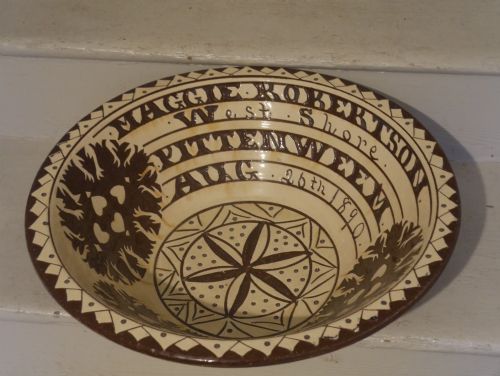
Potters shaped soft-paste porcelain, earthenware, and soapstone using traditional throwing and moulding techniques before applying intricate glazes. Many ceramic vessels incorporate rich surface treatments such as gold leaf, enamel, and slip glaze.
Wooden examples demonstrate precision turning on a lathe, transforming sycamore, oak, and treen into smooth, symmetrical bowls. Other pieces combine organic materials with metalwork, integrating silver plate and mounts into ceramic or wooden bodies.
Retail Price Guide 2026
Typical UK retail prices for decorative bowl, calculated from the Sellingantiques database of over a million retail prices indexed since 2003. This retail price guide relies exclusively on Sellingantiques data; no external sources or auction records are used, so the figures do not describe the wider market.
Carpet bowls made of ceramic allowed nineteenth-century families to play lawn bowls indoors on rainy afternoons.
What varies in quality
The refinement of the body and the control of the glaze dictate the standing of a ceramic bowl. Early soft-paste porcelain and carefully potted earthenware show a finer execution than utilitarian kitchenwares.
Surface decoration sets exceptional pieces apart, particularly where artists applied gold leaf, intricate enamel work, or complex lustre finishes. For wooden items, the skill of the turning and the choice of timber define the quality.
Samson Paris·Daisy Makeig Jones·Wedgwood·Worcester
The Antique Decorative Bowl Glossary
- Soft-paste porcelain
- A ceramic material composed of clay and glass frit, fired at lower temperatures than true hard-paste porcelain. It results in a warm, slightly translucent body characteristic of eighteenth-century English factories.
- Slip glaze
- Liquid clay applied to the surface of earthenware before firing to add colour and texture. This technique produces rich, earthy finishes often seen on traditional kitchen and dairy bowls.
- Treen
- Small handmade wooden objects and utensils created for the home. Sycamore and oak examples demonstrate the utilitarian beauty of early domestic woodwork.
- Lustre
- A metallic glaze that creates an iridescent sheen on pottery surfaces. It became particularly popular during the Edwardian era for decorative display wares.
- Jardiniere
- A large ornamental pot or bowl designed to hold plants or flowers. These pieces often feature substantial ceramic bodies suited for interior display.
Frequently Asked Questions
What is an antique decorative bowl used for?
These vessels served various domestic purposes historically, ranging from serving punch and fruit to holding plants as jardinières. Many were also made purely for display on sideboards and tables.
Today, collectors use them in similar ways or display them as standalone pieces of craftsmanship and history.
How do I date an antique decorative bowl?
Dating relies on identifying the materials, glazes, and manufacturing marks characteristic of specific periods like the eighteenth century or the Edwardian era. Stylistic clues such as Art Nouveau motifs or Georgian forms also provide clear chronological markers.
Examining the base and the wear patterns helps confirm the age of both ceramic and wooden vessels.
What materials are common in these bowls?
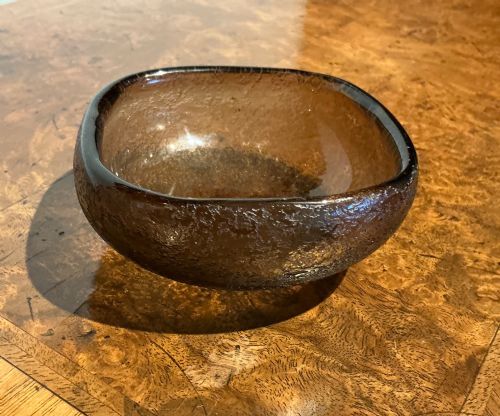
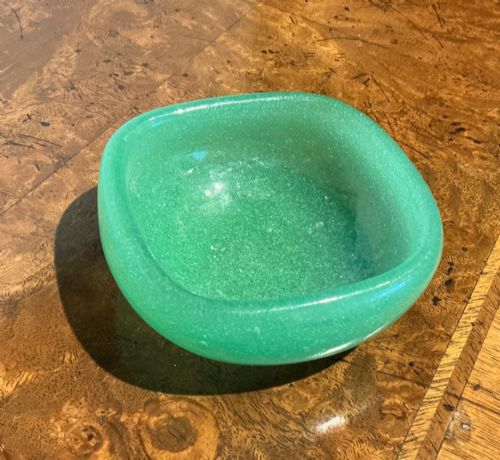
Ceramics dominate the selection, including earthenware, porcelain, and soft-paste porcelain decorated with glazes and enamels. Other examples utilise glass, soapstone, silver plate, and various hardwoods.
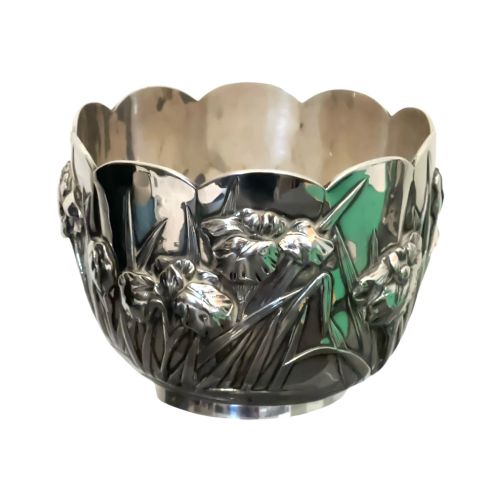
Some pieces combine multiple materials, such as wooden bodies with silver mounts or ceramic bowls featuring metallic lustre.