



Antique China Coffee Can
An antique china coffee can delivers direct, small-scale caffeine indulgence through dense hand-painted porcelain from the eighteenth and nineteenth centuries.
Antique China Coffee Can
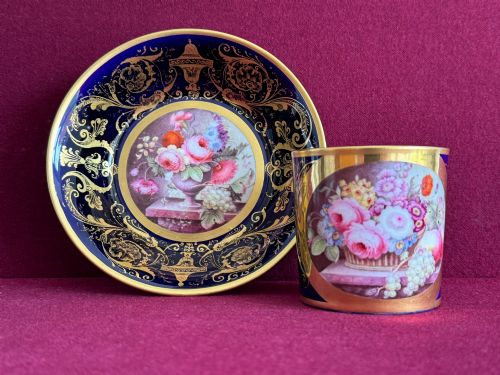
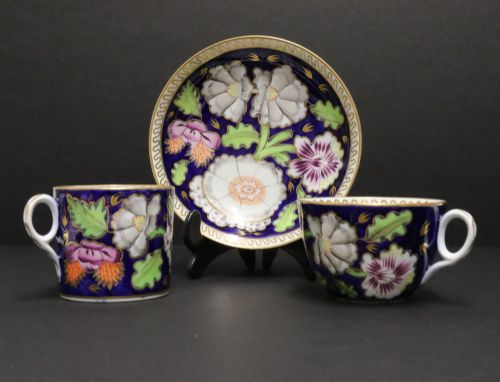
An antique china coffee can takes the form of a small, straight-sided cylindrical vessel designed specifically for drinking strong coffee rather than tea. These pieces emerge in forms such as individual coffee cans, matched cups and saucers, cabinet trios, and cased sets.
The periods represented stretch across the eighteenth century, Georgian, Regency, and Edwardian eras, alongside later pieces from the nineteen-twenties and nineteen-thirties. Buyers encounter works originating from English potteries and factories established during these times.
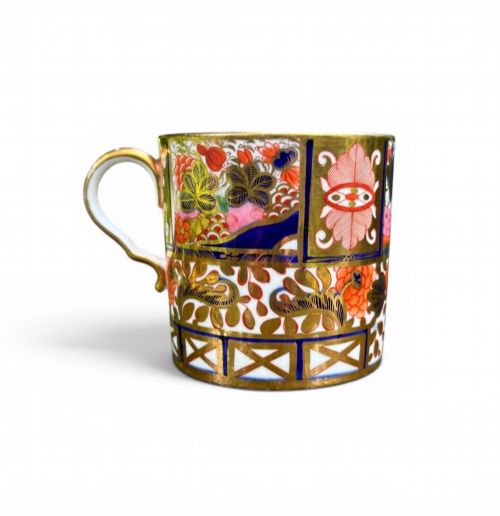
Makers and decorators documented in the evidence include Newhall, Spode, Worcester, Minton, and Royal Crown Derby. Pieces frequently display traditional British aesthetics, Georgian Chinoiserie, English revival designs, and Imari palettes.
Materials and techniques
Makers relied upon porcelain, bone china, and soft-paste porcelain as the primary ceramic bodies for these drinking vessels. These clay and mineral mixtures provided the necessary thinness and strength required for small cylindrical cups.
Decoration involved hand-painted brushwork applied directly to the ceramic body, often accompanied by gold leaf, gold gilt, and enamel applications. Skilled artisans executed detailed motifs including Chinese figures, Mandarin patterns, fancy birds on wet blue grounds, and Imari designs.
Antique China Coffee Can Retail Price Guide 2026
Typical asking prices for china coffee can among the pieces listed under this phrase on Sellingantiques today, from the lower quarter to the upper quarter. They describe what is for sale here now, not the wider market.
Makers painted lively tigers and eccentric cows onto early nineteenth-century porcelain surfaces.
Distinctions in quality
Quality rests upon the precision of the hand-painted brushwork and the complexity of the chosen pattern. Hand-painted pictorial scenes and intricate Imari gilding demand higher skill levels than simpler transfer or monochrome applications.
The integrity of the porcelain body and the preservation of delicate gold leaf add significant weight to a piece. Early soft-paste porcelain carries different physical characteristics compared to later bone china bodies.
Royal Crown Derby·Newhall·Spode·Worcester·Minton·Royal Worcester·Spode Copeland
The Antique China Coffee Can Glossary
- Coffee can
- A small, straight-sided cylindrical cup lacking a handle, produced for consuming strong coffee in the eighteenth and nineteenth centuries. These vessels appear frequently in cabinet sets.
- Soft-paste porcelain
- A glassy ceramic material fired at lower temperatures than hard-paste porcelain, common in early English factory production. It exhibits a warm, slightly creamy appearance under glaze.
- Imari
- A decorative style utilising rich cobalt blue, iron red, and abundant gold leaf inspired by Japanese export wares. English factories adopted this palette extensively.
- Demitasse
- A small cup used for serving strong black coffee or espresso. These vessels often accompany matching saucers in cased presentation sets.
- Cabinet trio
- A matched set comprising a coffee can, a teacup, and a saucer designed for display within a glass-fronted cabinet rather than daily dining use.
Antique China Coffee Can: Frequently Asked Questions
What is a coffee can?
A coffee can is a small, straight-sided cylindrical cup designed specifically for serving strong coffee rather than tea. These vessels typically lack handles and were produced in porcelain during the Georgian and Regency periods.
Collectors prize them for their concentrated hand-painted decoration, which often includes Imari patterns or botanical studies. They frequently survive today paired with matching saucers in cabinet sets.
How do I date an antique coffee can?
Dating relies upon examining the ceramic paste, factory marks stamped or painted on the base, and the stylistic details of the decoration. Eighteenth-century pieces often utilise soft-paste porcelain, while later nineteenth-century examples shift towards bone china.
Comparing pattern numbers and painting techniques against known factory archives helps narrow down the decade of production. Regency and Georgian pieces display distinct neoclassical or Chinoiserie motifs.
Were these cups used daily?
Many surviving coffee cans served as functional items for wealthy households consuming strong coffee after meals. Their small size accommodated concentrated brews before larger mugs became standard.
Cased sets and cabinet trios, however, often saw limited use and were preserved primarily for display. This accounts for the survival of delicate gold leaf and enamel decoration.