



First Period Worcester China
First period worcester china comprises eighteenth-century soft-paste porcelain teawares and tableware items that collectors prize for their hand-painted underglaze blue and polychrome enamel designs.
First Period Worcester China
These pieces encompass eighteenth-century English soft-paste porcelain tablewares and decorative items created during the Georgian era. Buyers searching for first period worcester china most frequently encounter teawares such as cups, saucers, teapots, and slop bowls alongside practical tableware forms.
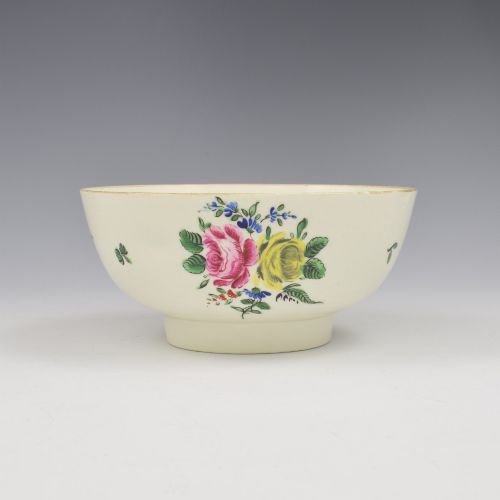
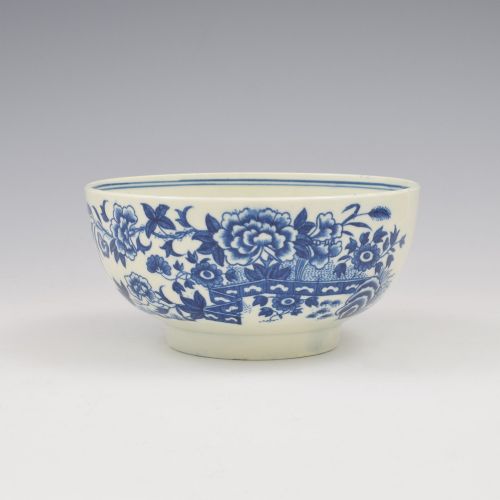
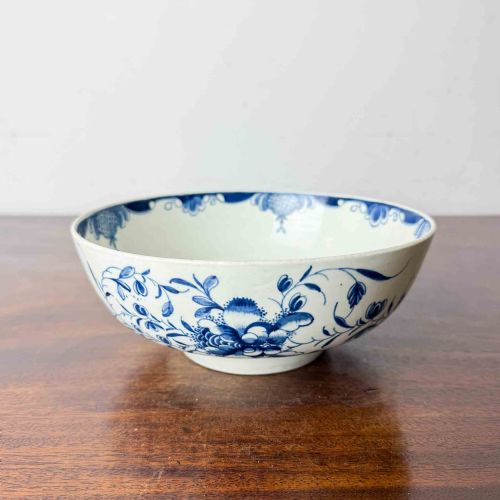
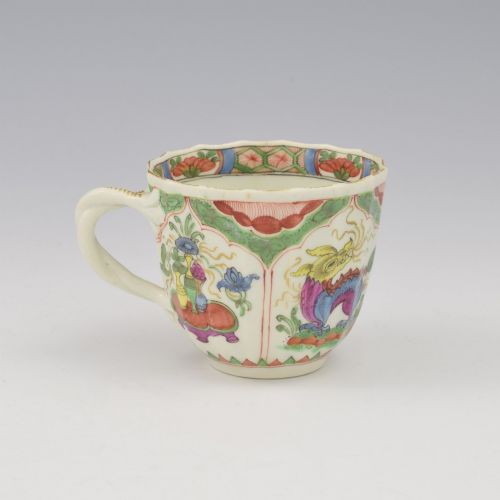
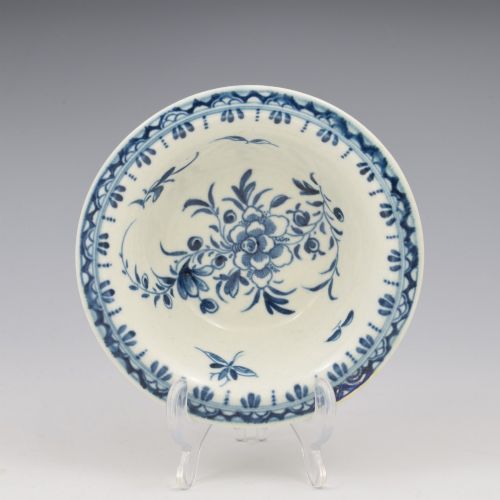
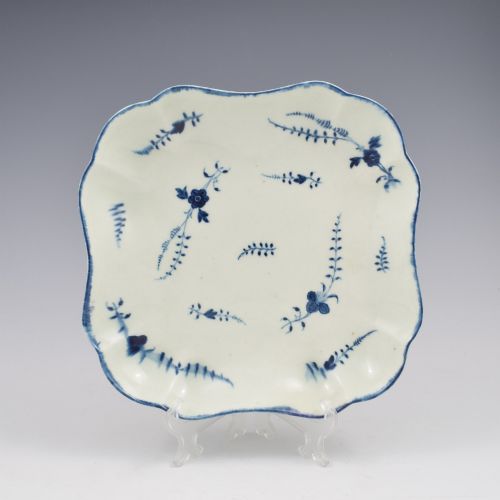
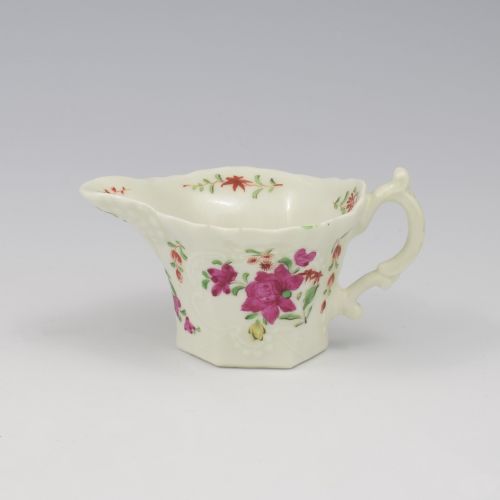
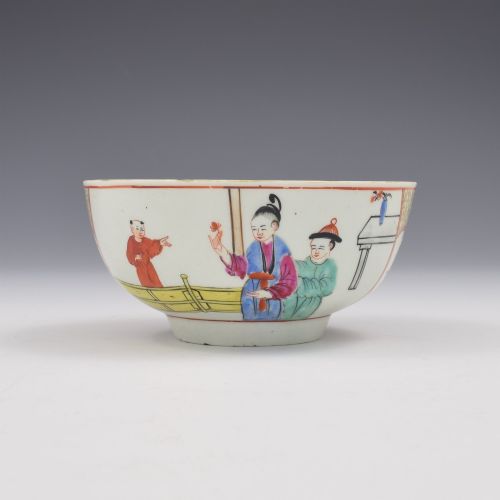
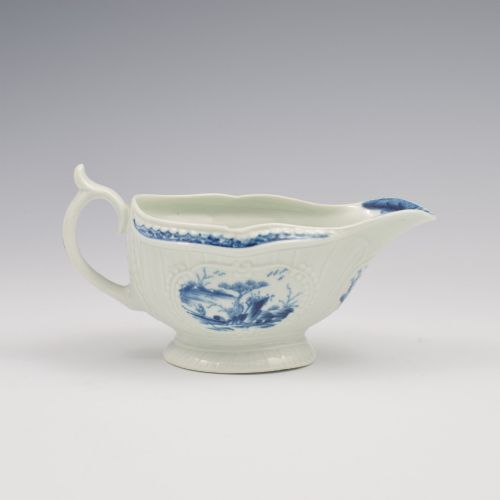
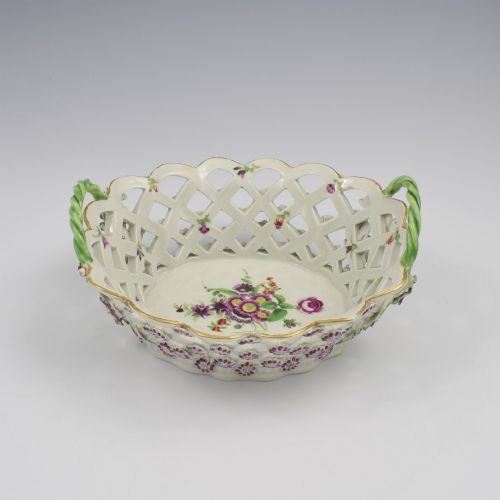
The inventory includes specialised serving pieces like hexagonal sauce boats, square dessert dishes, patty pans, and chestnut baskets. Blue and white items sit alongside polychrome painted examples decorated with Chinese figures, floral sprays, and bird subjects.
Materials and Manufacture
Potters shaped these objects from soft-paste porcelain bodies using moulding and throwing techniques appropriate for domestic tea and table service. Artisans applied cobalt glaze for underglaze blue decoration and hand-painted additional motifs using enamel colours and gold leaf gilding.
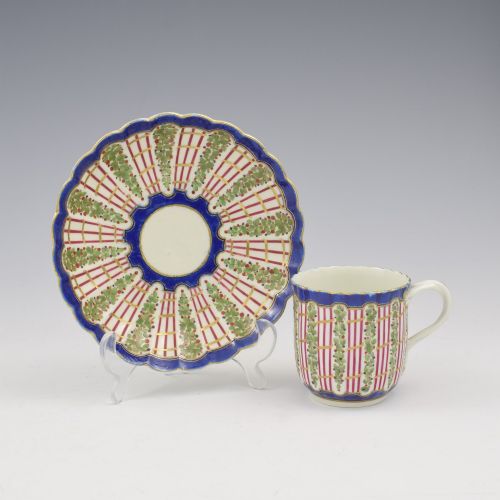
Factories utilised specialised grounds such as blue scale and wet blue to create rich coloured backgrounds on cups, saucers, and decorative dishes. Firing processes fixed the cobalt under the glaze while enamel painting and gilding required subsequent lower-temperature fixings.
First Period Worcester China Retail Price Guide 2026
Typical asking prices for first period worcester china among the pieces listed under this phrase on Sellingantiques today, from the lower quarter to the upper quarter. They describe what is for sale here now, not the wider market.
Listings feature eighteenth-century soft-paste porcelain items decorated with cobalt glaze, enamel colours, and gold leaf gilding.
Assessing Quality and Execution
Superior examples display crispness in moulded relief work, such as hexagonal panels on sauce boats and fluted surfaces on coffee cups, combined with neatly controlled cobalt glaze application. Painted details on complex patterns like the waiting chinaman or fancy birds show finer brushwork and greater precision on better pieces.
The depth and consistency of coloured grounds, particularly blue scale and wet blue, distinguish more accomplished items from standard production. Rich gilding and well-preserved enamel colours contribute significantly to the visual weight and desirability of individual tea bowls, dishes, and baskets.
Dr Wall Worcester
The First Period Worcester China Glossary
- Soft-paste porcelain
- A vitrified ceramic composition containing white clay, glass frit, and ground minerals, fired at lower temperatures than hard-paste porcelain. This body type absorbs light differently and produces a characteristic warm glow under the glaze.
- Cobalt glaze
- A metallic oxide pigment applied beneath the glaze to produce deep blue tones during high-temperature firing. It provides the primary colour foundation for traditional blue and white tableware.
- Wet blue
- A rich, mottled blue ground colour applied to porcelain before gilding and enamel decoration. It creates a textured backdrop frequently seen on eighteenth-century cups and dishes.
- Enamel
- Opaque glass-based colours painted over the fired glaze and fixed in a muffle kiln. Polychrome pieces rely on these pigments for figures, floral sprays, and exotic bird motifs.
- Clobbered
- Porcelains originally decorated in underglaze blue that received later overglaze enamel and gilt additions by independent decorators. This practice altered the original appearance of eighteenth-century teaware.
First Period Worcester China: Frequently Asked Questions
What items are included in first period worcester china?
The category covers eighteenth-century soft-paste porcelain tea and table wares, including coffee cups, saucers, teapots, slop bowls, and tea bowls.
Buyers also find serving pieces such as sauce boats, dessert dishes, patty pans, chestnut baskets, and decorative plates.
How do you date first period worcester pieces?
Pieces originate from the eighteenth century during the Georgian period, typically spanning from the mid-1750s through the 1780s.
Pottery forms, decorative patterns like hop trellis or waiting chinaman, and specific factory practices help determine the production era.
How were these teawares used originally?
Wealthy Georgian households utilised these porcelain vessels for serving and drinking tea during fashionable social gatherings.
Larger bowls functioned as slop basins for spent tea leaves, while sauce boats and dishes served dining tables.
What are the common decorative patterns?
Designs feature underglaze blue painting, transfer printing, and polychrome enamels depicting Chinese figures, European landscapes, and floral sprays.
Ground colours like blue scale and wet blue provide backgrounds for exotic birds and compartmentalised designs.