




Antique Worcester Coffee Cup
An antique worcester coffee cup carries the artistry of historic English kilns right to your morning table.
Antique Worcester Coffee Cup
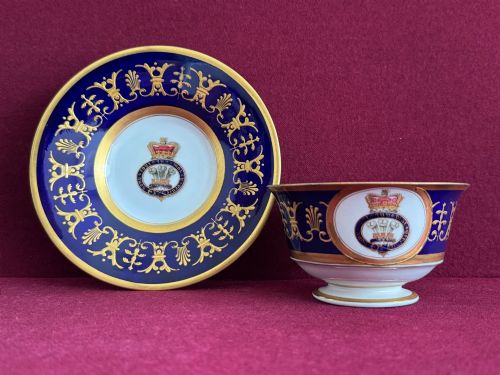
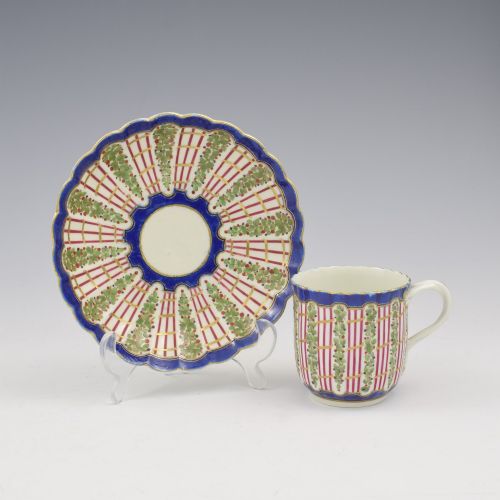
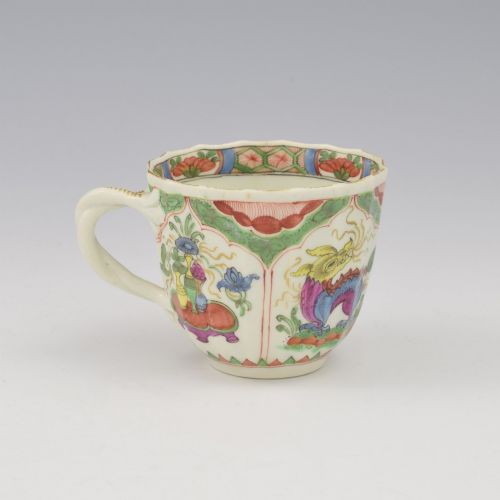
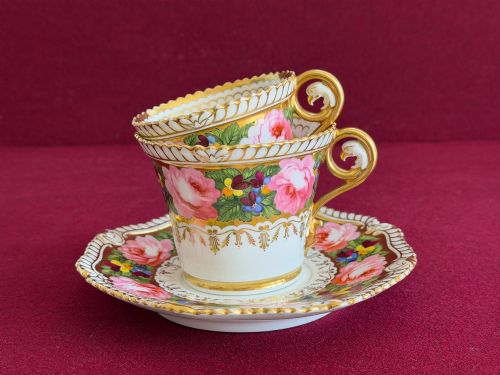
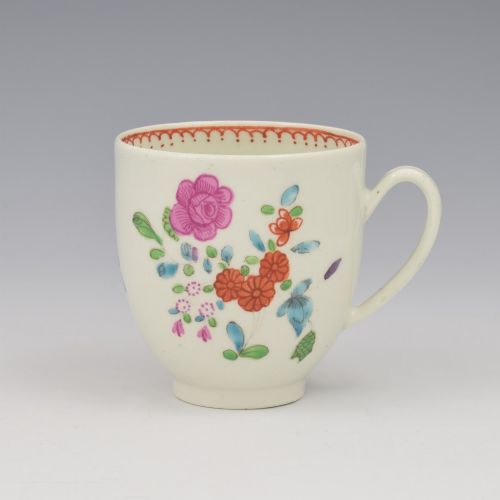
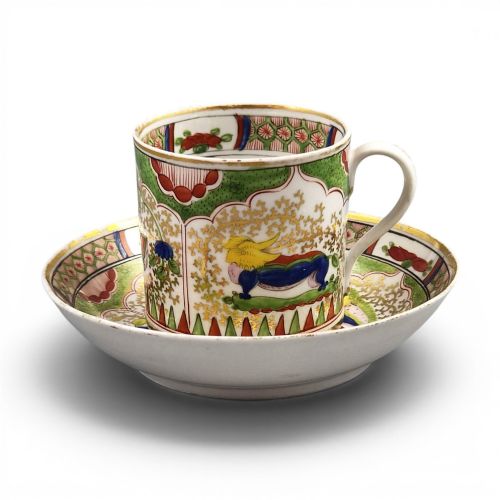
An antique worcester coffee cup represents a rich tradition of English ceramic production spanning from the eighteenth century through to the mid-twentieth century. When searching for this phrase, collectors encounter various forms including delicate coffee cans, paired cups and saucers, and demitasse sets. Eighteenth-century pieces from the Dr Wall or First Period often feature hand-painted Chinoiserie and floral motifs, while later nineteenth-century examples showcase Regency and Georgian styles.
The assortment on this page also extends into twentieth-century wares, taking in cased sets from the 1920s and Royal Worcester productions from the 1930s and 1950s. Alongside standard handleless coffee cups, listings include mugs and trios featuring pattern numbers and maker marks. These diverse items show how domestic porcelain evolved from soft-paste compositions to refined bodies suited to changing social habits.
What varies in quality
The refinement of the painted decoration marks the distinction between standard production and exceptional studio work. Pieces bearing detailed hand-painted scenes, such as fancy birds or intricate Chinese figures, demand greater skill from the decorator than simpler transfer-printed wares.
The preservation of the original gilding and enamel brilliance influences the standing of a piece within its period. Early soft-paste bodies and crisp moulding on fluted forms also contribute to the desirability of eighteenth-century examples.
Antique Worcester Coffee Cup Retail Price Guide 2026
Typical asking prices for worcester coffee cup among the pieces listed under this phrase on Sellingantiques today, from the lower quarter to the upper quarter. They describe what is for sale here now, not the wider market.
Listings span multiple eras, connecting eighteenth-century Dr Wall soft-paste porcelain with twentieth-century Royal Worcester demitasse sets and 1920s cased collections.
Flight and Barr Worcester·Chamberlain Worcester·Hadley Worcester·Royal Worcester·James Stinton
The Antique Worcester Coffee Cup Glossary
- Soft-paste porcelain
- An early ceramic composition made from glass paste and white clay rather than hard-paste ingredients. This material fired at lower temperatures and produced a distinctive warm, creamy background glaze.
- Coffee can
- A straight-sided cylindrical cup designed specifically for drinking coffee in the eighteenth and nineteenth centuries. These pieces typically lacked the curved profile of standard teacups.
- Chinoiserie
- A decorative style inspired by European interpretations of Chinese and East Asian art. It frequently appears on eighteenth-century porcelain depicting figures, landscapes, and dragons in compartments.
- Demitasse
- A small cup used for serving strong espresso or Turkish coffee. These diminutive vessels often appear in matched sets from twentieth-century makers.
- Wet blue
- A rich underglaze blue colour applied to porcelain backgrounds during the eighteenth century. This distinctive hue served as a deep backdrop for gilt and painted cartouches.
Antique Worcester Coffee Cup: Frequently Asked Questions
What is a First Period Worcester coffee cup?
A First Period Worcester coffee cup dates from the Dr Wall era of the eighteenth century, typically produced between 1751 and 1783. These pieces are recognised by their soft-paste porcelain bodies and hand-painted oriental or floral designs.
Collectors prize them for their historic significance and the artistic skill evident in patterns like hop trellis and Mandarin figures. They represent the foundational years of English porcelain manufacturing.
How do I date a Regency Worcester piece?
Regency era pieces usually date from the early nineteenth century around 1800 to 1820. They often bear factory marks associated with firms like Flight and Barr or Chamberlain.
Stylistic cues include neo-classical shapes, bolder gilding, and pattern numbers painted directly onto the base. The porcelain body also tends to show greater uniformity than eighteenth-century soft-paste wares.
Are twentieth-century sets safe to use?
Twentieth-century demitasse sets from the 1920s to 1950s use more robust ceramic bodies than eighteenth-century soft-paste porcelain. However, hand-painted details and gold leaf can suffer from abrasive detergents.
Hand washing in warm soapy water remains the safest way to preserve the enamel decoration and gilding on vintage tableware. Modern dishwashers should be avoided entirely to prevent surface wear.