


Polychrome Ceramic Cup
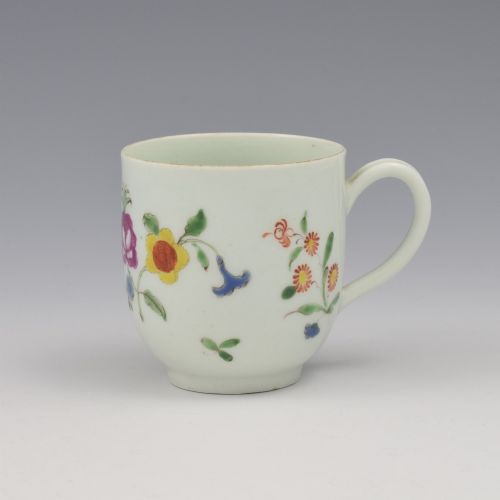
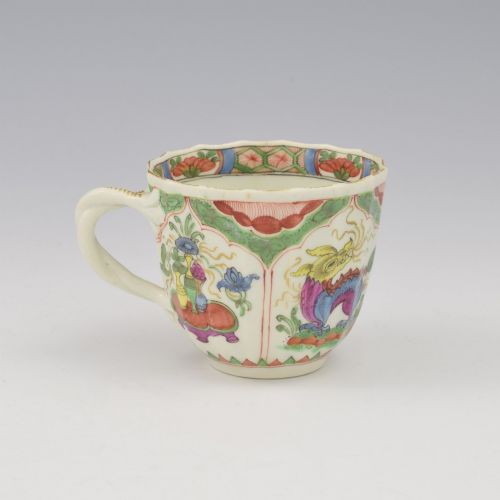
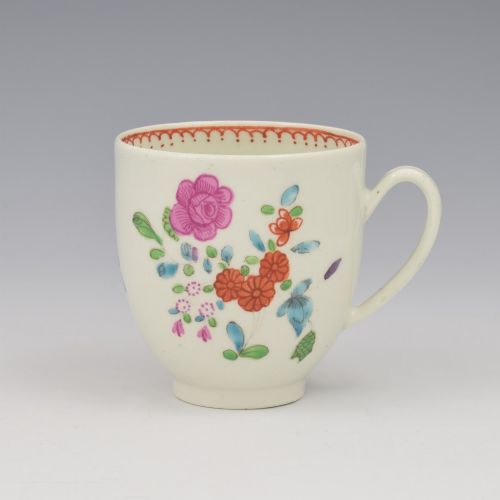
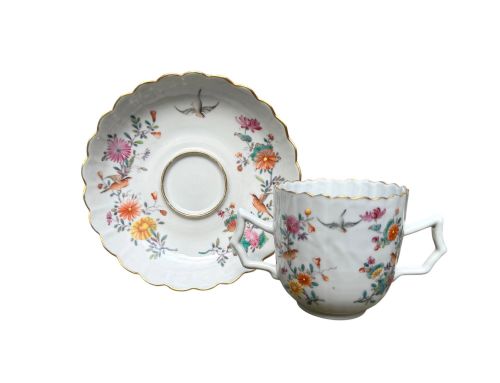
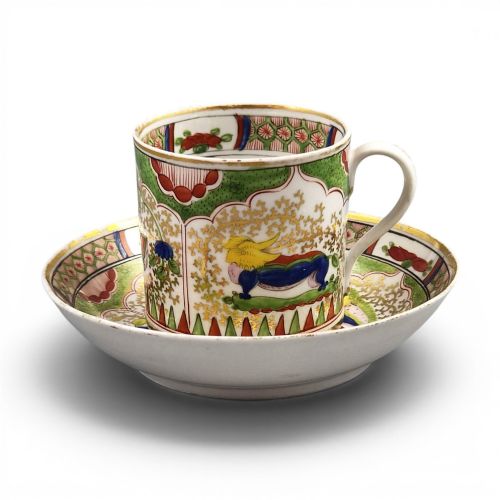
A polychrome ceramic cup brings vibrant enamel pigments and intricate hand-painted detail straight to the table from eighteenth and nineteenth century kilns.
Polychrome Ceramic Cup
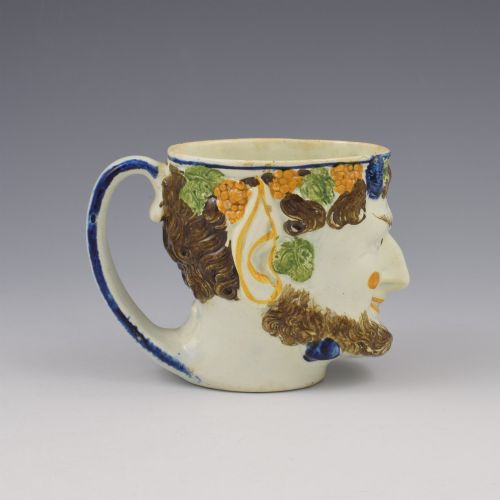
A polychrome ceramic cup encompasses everything from delicate eighteenth century porcelain coffee vessels to robust nineteenth century earthenware mugs. Buyers searching for a polychrome ceramic cup will encounter forms ranging from simple tea bowls and saucers to large mugs and two-handled loving cups.
The selection on this page leans heavily toward eighteenth century English factories like Worcester and Liverpool, alongside Chinese export porcelain created during the Qing Dynasty. Later nineteenth century earthenware and Art Deco sets also appear, showing how enamelling styles evolved over generations.
How they were made
Potters shaped these pieces using soft-paste porcelain, pearlware, or standard ceramic bodies before applying an initial glaze. Artisans then hand-painted the designs directly onto the surface using bright enamel colours, often incorporating gold leaf highlights for rich decorative effect.
Once painted, the vessels returned to the kiln so the enamel pigments fused permanently with the glaze. Chinese export pieces and English works alike relied on this careful layering of pigment and heat to achieve their characteristic multi-coloured surfaces.
Listings feature eighteenth century porcelain, nineteenth century earthenware, and twentieth century Art Deco ceramics.
What varies in quality
Quality in these vessels rests on the precision of the brushwork and the clarity of the enamel colours. Pieces featuring tightly controlled Mandarin patterns or delicate Kakiemon motifs demonstrate superior hand-painting compared to simpler wares.
The crispness of the porcelain paste and the stability of the glaze during firing also separate standard production from exceptional pieces. Finer cups retain vivid, unrubbed pigments and well-preserved gilt details that survive centuries of handling.
Richard Chaffers·Flight Barr And Barr·Clarice Cliff·Royal Worcester·Minton
The Polychrome Ceramic Cup Glossary
- Polychrome
- Decorated in multiple colours. This term describes ceramics painted with a diverse palette of enamel pigments rather than a single blue underglaze.
- Enamel
- Opaque glass used for painting on pottery. Artisans applied these mineral-based colours over the fired glaze before a final low-temperature fixation.
- Soft-paste porcelain
- A glassy ceramic material fired at lower temperatures than hard-paste. Eighteenth century English factories frequently utilised this body for teaware.
- Mandarin pattern
- Chinese export decoration depicting figures in garden or court settings. These detailed scenes became highly fashionable in Georgian Britain.
Polychrome Ceramic Cup: Frequently Asked Questions
Are these cups safe for daily use?
These antique vessels are primarily intended for display or careful collection rather than modern dining routines. Historic enamels and delicate porcelain bodies can suffer damage from frequent washing and heavy use.
Enjoying them occasionally for a quiet cup of tea remains possible, provided you wash them gently by hand without harsh detergents or abrasive sponges.
How do I date an eighteenth century cup?
Dating relies on examining the paste, glaze characteristics, and painting style. Early English porcelain often shows characteristic kiln scars or variations in the translucency of the body.
Comparing the decorative motifs, such as Chinese export figures or Chinoiserie landscapes, against documented factory patterns helps narrow down the decade of production.
What is the difference between porcelain and earthenware?
Porcelain is fired at much higher temperatures until the clay vitrifies into a dense, non-porous material that often appears translucent when held to the light. Earthenware uses a more porous clay body that requires an opaque glaze to seal the surface.
Items like pearlware and standard ceramic mugs belong to the earthenware family, offering a heavier feel and different acoustic resonance compared to fine porcelain cups.
How should I display a ceramic cup?
Display these pieces in a stable cabinet away from direct sunlight, which can fade delicate enamel colours over many years. Ensure they rest securely on flat shelves where foot traffic won't cause vibrations.
Matching cups and saucers look best when displayed together on specialist plate stands that support both pieces without obscuring the painted details.