


Regency Coffee Cup
A regency coffee cup brings neoclassical elegance and crisp porcelain form to the table.
Regency Coffee Cup
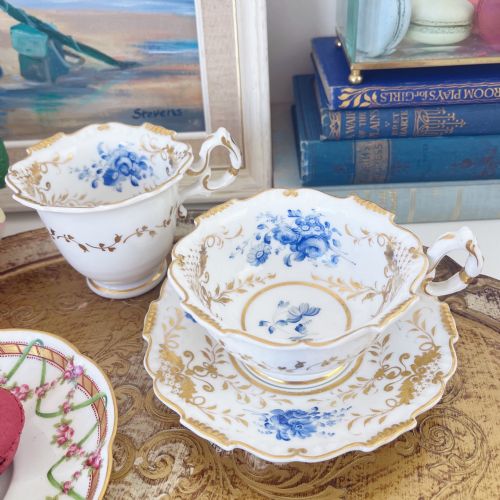
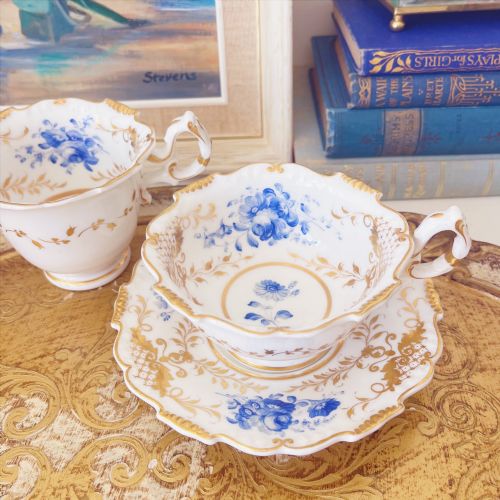
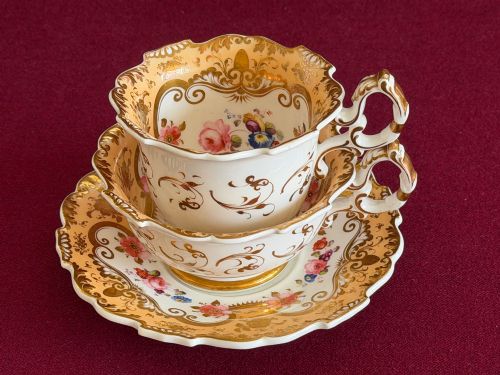
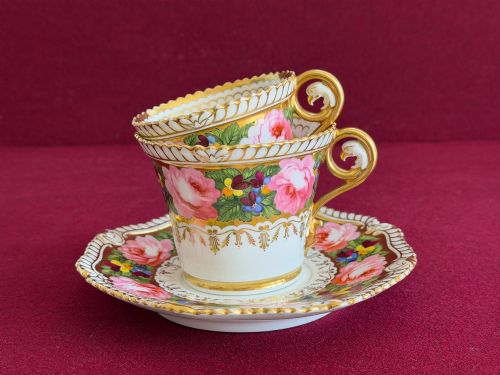
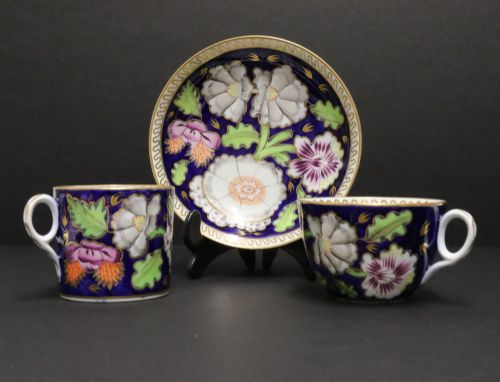
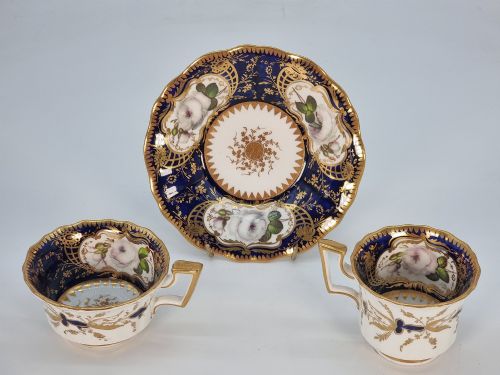
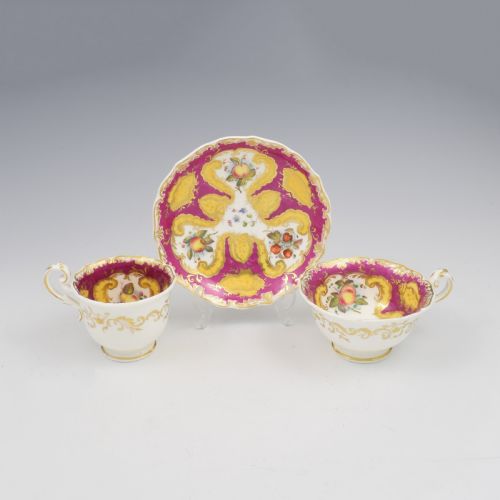
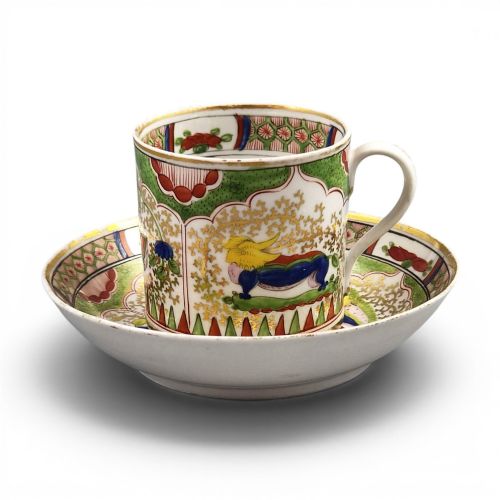
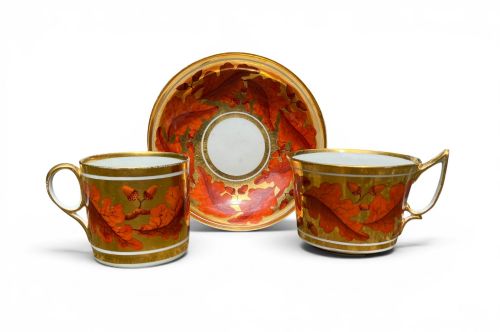
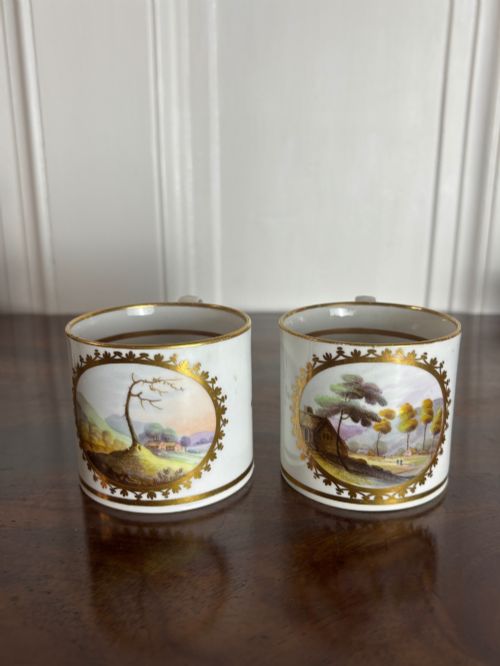
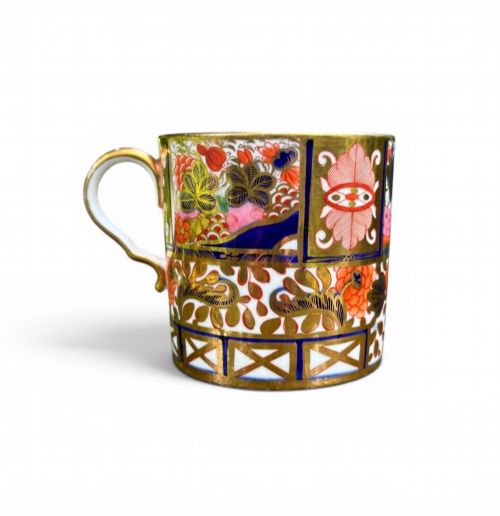
A regency coffee cup typically arrives as a straight-sided coffee can or a tapered footed cup, frequently paired with a matching saucer or forming part of a larger trio set. These ceramics capture the refined domestic tastes of the early nineteenth century.
The versions most common on this page date from the Georgian and Regency periods, spanning the opening decades of the 1800s. Makers range from English porcelain powerhouses like Spode and Worcester to continental factories.
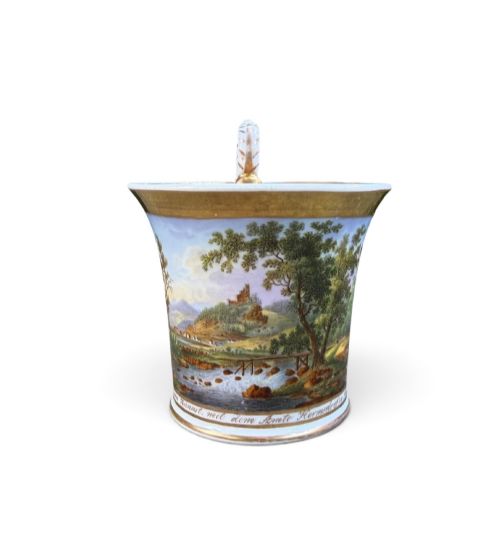
Forms embrace Neoclassical and Empire styles, often utilising upright cylindrical profiles designed to retain heat. Collectors find both cabinet specimens intended for display and functional breakfast wares.
How they were made
Potters shaped these vessels using hard-paste porcelain or bone china, throwing or casting the clay before high-temperature firing. This created a dense, durable body capable of holding hot brew.
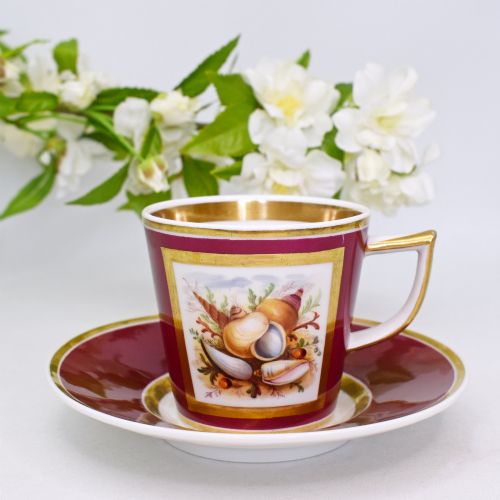
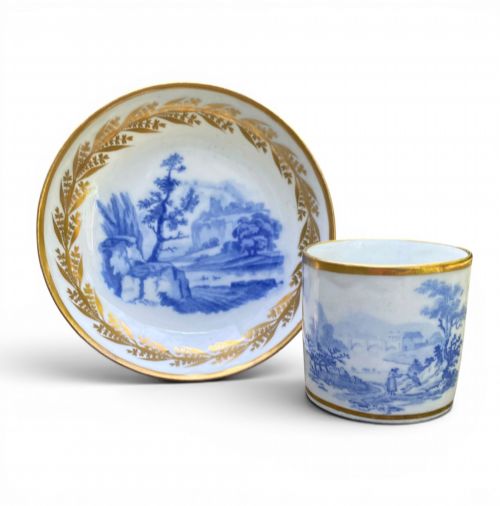
Artisans applied handpainted decoration alongside transfer-printing, layering enamel pigments across botanical, topographical, and exotic patterns. Gilding with gold leaf or liquid gold added rich metallic borders and highlights.
Listings feature porcelain and bone china vessels decorated with gold leaf, enamel, and gilding in Regency, Georgian, Neoclassical, and Empire styles.
What varies in quality
The standard of painting dictates much of the distinction between ordinary wares and exceptional cabinet pieces. Skill in brushwork, particularly in delicate botanical studies or landscape vignettes executed by named artists, elevates a piece considerably.
The precision and application of the gilding also divide the grades, where thick, burnished gold leaf demonstrates superior workshop output compared to thin, flat metallic paint.
H & R Daniel·Chamberlain Worcester·Newhall·Coalport John Rose·Berlin·Flight & Barr Worcester·Rockingham·Derby·Minton·Spode·Meissen·Davenport
The Regency Coffee Cup Glossary
- Coffee can
- A straight-sided cylindrical cup lacking a handle, typical of early nineteenth-century porcelain design. This form mirrors neoclassical drinking vessels of the period.
- Cabinet cup
- A decorative porcelain cup intended primarily for display in a cabinet rather than daily use. These often feature elaborate topographical or floral handpainted scenes.
- Trio
- A matched set comprising a teacup, a coffee cup, and a saucer. They showcase unified patterns produced by the same factory.
- Hard-paste porcelain
- A durable ceramic paste fired at high temperatures using kaolin and petuntse. It yields a vitrified body with a bright, translucent finish.
- Imari
- A decorative style inspired by Japanese export wares featuring iron red, underglaze blue, and rich gilding. Spode and other English factories adopted this palette widely.
Regency Coffee Cup: Frequently Asked Questions
What is a regency coffee cup?
A regency coffee cup is an early nineteenth-century porcelain vessel, often shaped as a cylindrical can without a handle, designed for drinking coffee.
These pieces reflect the neoclassical and Empire aesthetic of the period, frequently decorated with handpainted motifs, Imari patterns, or elaborate gilding.
How were regency coffee cups used?
They were used during morning breakfast service or formal afternoon gatherings by affluent households enjoying imported coffee.
Many surviving examples served a decorative function as cabinet pieces rather than daily utensils, displayed on shelves to demonstrate taste and wealth.
How do I care for antique porcelain?
Antique porcelain requires gentle hand washing in lukewarm water with mild soap, avoiding dishwashers and harsh abrasive sponges entirely.
Sudden temperature changes can crack the old ceramic body or harm fragile handpainted enamels and gold leaf decorations.
How do I date a piece?
Dating relies on identifying factory marks, pattern numbers, and stylistic cues such as neoclassical shapes or specific porcelain bodies.
Comparing the potting style, handle form, and enamel palette against documented factory outputs helps narrow the production era to the early 1800s.