


Nineteenth Century Cup
These nineteenth century cup examples span porcelain, silver and earthenware vessels for tea, coffee, cabinet display and formal dining.
Nineteenth Century Cup
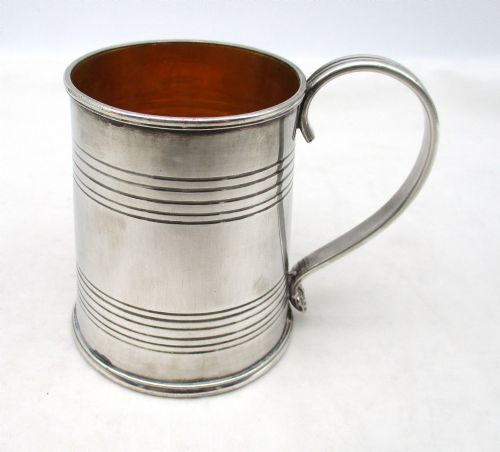
A nineteenth century cup encompasses diverse domestic and display drinking vessels, including teacups and saucers, coffee cans, cabinet cups, loving cups, mugs and silver beakers. You will frequently encounter porcelain and earthenware examples produced across Georgian, Regency and Victorian periods.
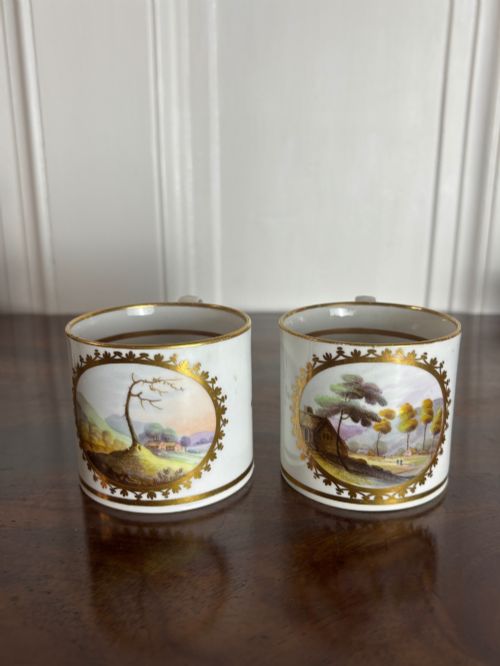
The forms range from utilitarian children's nursery mugs and silver travelling vessels to highly decorative porcelain cabinet cups painted with landscapes or birds. Makers utilised hard-paste porcelain, earthenware, silver and Old Sheffield plate to shape these drinking vessels.
Origin points span English factories like Worcester, Minton, Spode and Coalport alongside continental porcelain from KPM Berlin, Vieux Paris and Kusnetzoff. Japanese Kutani ware and Chinese export silver further expand the geographic scope of drinking vessels from this era.
Materials and execution
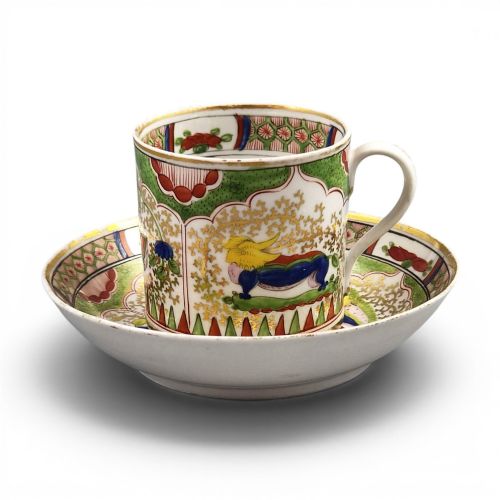
Potters shaped these objects using porcelain, earthenware and hard-paste ceramic bodies, frequently incorporating gilding, gold leaf and enamel decorations. Artisans applied hand-painted landscapes, floral motifs and compartmental dragon designs directly onto the ceramic surfaces.
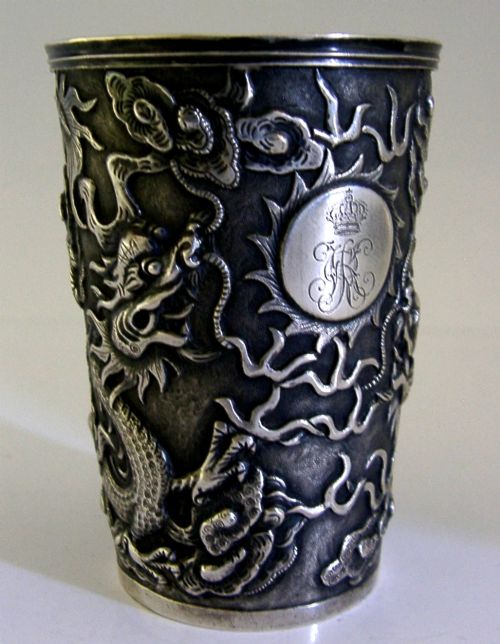
Metal vessels relied on silver, silver plate and Old Sheffield plate, utilising techniques such as repoussé dragons, engraving and structural casting. Glass examples involved hand-blown and cut crystal methods, notably seen in cranberry over crystal champagne coupes.
Hounds gaze up from ceramic fox head stirrup cups while porcelain pugs guard children's nursery mugs across the decades.
Assessing quality
Quality rests upon the precision of the hand-painted decoration, such as detailed landscape miniatures or bird studies attributed to specific painters, compared to generic pattern work. The crispness of porcelain modelling, including lion mask handles or delicate fox head stirrup cup forms, distinguishes finer work.
Material weight and purity dictate the standard in metal objects, where solid silver and substantial Old Sheffield plating demonstrate superior craftsmanship. The finesse of the ceramic body and glaze smoothness separate standard production wares from high-status cabinet pieces.
KPM Berlin·Vieux Paris·Worcester·Minton·Chamberlain Worcester·Coalport·Spode·Kusnetzoff
The Nineteenth Century Cup Glossary
- Cabinet cup
- A specialised porcelain cup intended for visual display in a cabinet rather than functional dining use. These often feature elaborate painted landscapes and matching saucers.
- Coffee can
- A cylindrical ceramic cup designed without a handle, commonly produced during the Georgian and Regency periods. They were paired with saucers for serving strong coffee.
- Hard-paste porcelain
- A durable ceramic composition fired at very high temperatures, made from kaolin and petuntse. European factories like KPM utilised this material for fine cups.
- Old Sheffield plate
- A composite metal made by fusing a thin layer of silver to a thicker copper base. It was widely used for holloware and drinking vessels before electroplating.
Nineteenth Century Cup: Frequently Asked Questions
What is a cabinet cup?
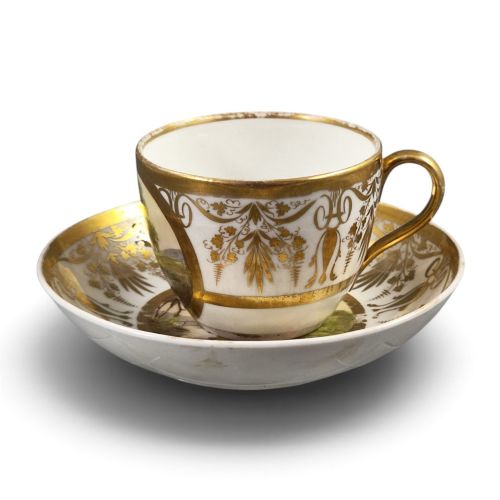
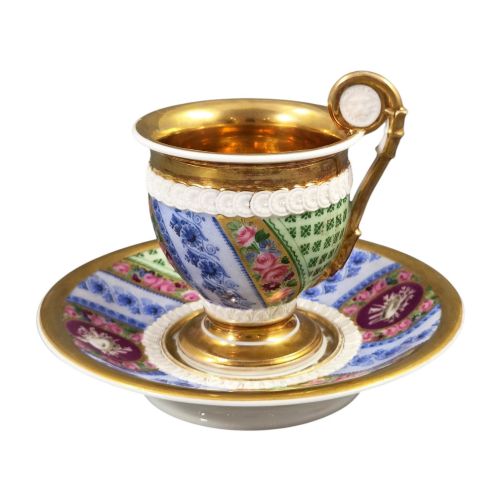
A cabinet cup is a decorative porcelain vessel designed primarily for display rather than everyday use. These pieces often feature hand-painted landscapes, gilded accents and intricate handles.
They were collected and showcased in glass-fronted cabinets during the Georgian and Victorian eras to demonstrate wealth and refined taste.
How do coffee cans differ from teacups?
Coffee cans are tall, straight-sided cylindrical cups made without handles, differing from the wider, handled forms typically used for tea. They reflect the specific manner in which strong coffee was served in the early nineteenth century.
Potters decorated these cans with fine landscape paintings, crests or geometric patterns to match their accompanying saucers.
Were silver beakers used for travel?
Silver beakers and folding travelling cups served portable dining functions for affluent individuals on journeys. Makers constructed them from solid silver or silver plate to withstand movement.
Engraved family crests, royal cyphers and repoussé dragon motifs frequently adorned these durable personal drinking vessels.
How do you distinguish Regency porcelain from Victorian pieces?
Regency porcelain often displays Neoclassical or Empire influences, featuring finely painted botanical studies, landscapes and delicate gilding on hard-paste bodies. Makers like Worcester and Minton produced sophisticated wares during this era.
Victorian pieces frequently embrace bolder polychrome enamels, heavier earthenware bodies and transfer-printed or hand-painted patterns tailored to expanding domestic markets.