
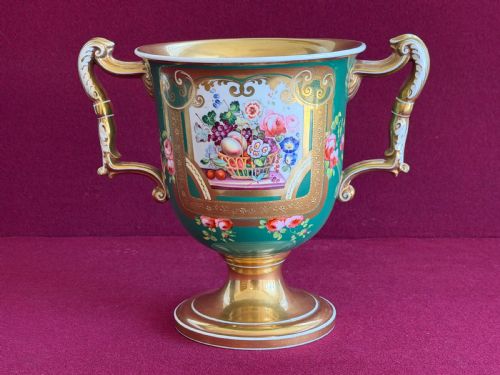


Green Porcelain Cup
A green porcelain cup brings quiet colour to a cabinet, offering refined form and historic ceramic artistry through surviving examples.
Green Porcelain Cup
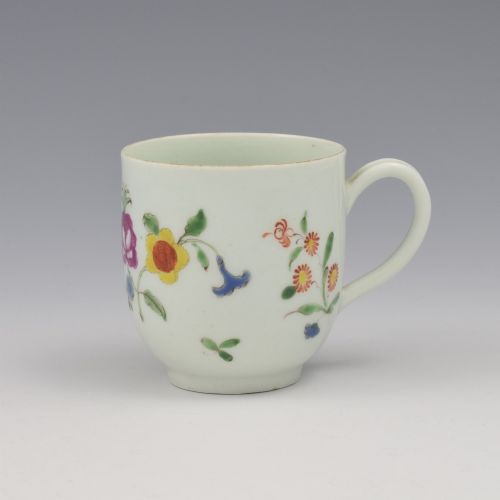
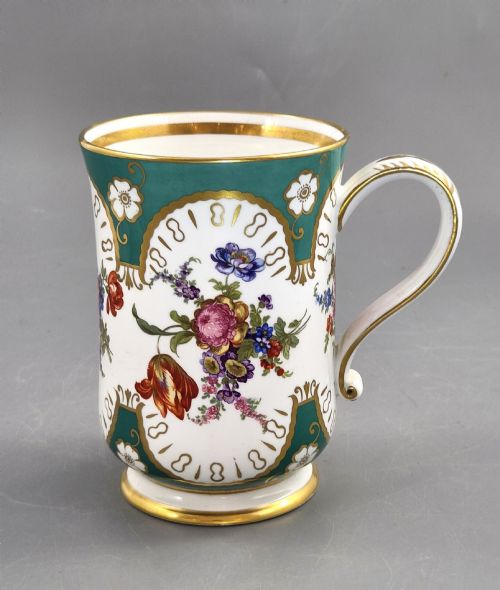
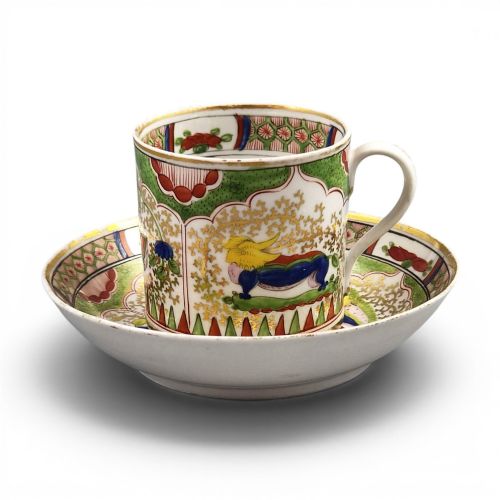
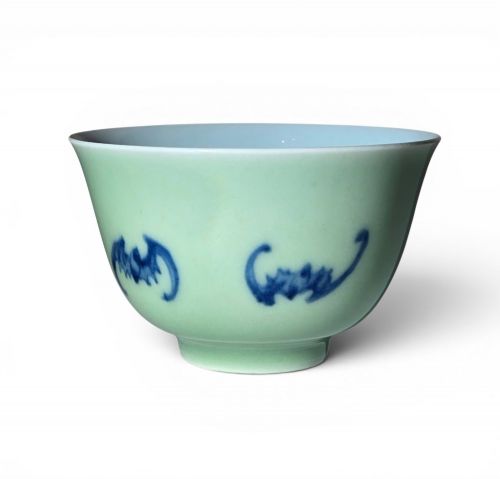
A green porcelain cup sits among varied domestic and cabinet forms, ranging from teacups and saucers to cabinet mugs and loving cups. These vessels appear across several periods, including the eighteenth century, Regency, and early twentieth century.
The objects stem from English and continental traditions, encompassing Worcester, Liverpool, Old Paris, and Chinese export origins. Forms vary from simple utilitarian teaware to elaborate cabinet pieces designed for display rather than daily use.
Materials and construction
Makers utilised hard-paste porcelain, bone china, and soft-paste bodies, applying ground colours and glazes to the exterior surfaces. Gilding and gold leaf often accent the rims, handles, and painted reserves.
Decoration relied on underglaze blue, enamel painting, and lustre techniques, sometimes paired with moulded relief details. Factories employed specialised painters to execute intricate patterns like dragon motifs and botanical scenes.
Listings feature porcelain, bone china, enamel, and gold leaf across Regency, eighteenth century, and twentieth century periods.
Assessing quality and execution
Quality rests in the crispness of the porcelain body and the precision of the painted decoration. Hand-painted reserves by named decorators command greater attention than standard factory output.
The depth and evenness of the green ground colour, alongside the retention of gilding, distinguish finer examples. Superior potting shows thinner walls and well-balanced handles.
Richard Chaffers·H & R Daniel·Flight Barr And Barr·Wedgwood·Davenport·Minton·Hadley Worcester
The Green Porcelain Cup Glossary
- Hard-Paste Porcelain
- A dense, vitrified ceramic composed of kaolin and petuntse fired at high temperatures. It resists scratching and yields a ringing tone when struck.
- Bone China
- An English ceramic body incorporating bone ash into the paste. This composition allows for thinner walls and a translucent, milky appearance.
- Gilding
- The application of gold leaf or gold powder to ceramic surfaces. It is typically fired at a lower temperature to fuse with the glaze.
- Underglaze Blue
- Pigment applied to the raw ceramic body before the application of a transparent glaze and firing. This technique protects the pigment beneath the glassy surface.
Green Porcelain Cup: Frequently Asked Questions
What periods do these cups cover?
The listings span from the eighteenth century through the Regency era to the early twentieth century. Each period brings distinct ceramic formulations and decorative styles.
English factories like Worcester and Spode sit alongside French Old Paris and Chinese export pieces on the timeline.
Were they used for tea or display?
Some forms served practical dining functions, such as teacups, coffee cups, and breakfast trios. Others, like cabinet mugs and loving cups, were intended primarily for presentation.
Heavily gilded cabinet pieces often remained behind glass rather than joining the tea service.
How do I spot hand-painted work?
Hand-painted decoration reveals subtle brushstrokes and minor variations across different examples of the same pattern. Printed outlines can sometimes be detected under magnification beneath the enamel colours.
Specialist decorators often signed their work or left distinct stylistic signatures on the porcelain.
What is a cabinet cup?
Cabinet cups represent decorative vessels manufactured for display in drawing room cabinets rather than everyday use. They often feature elaborate green grounds, gilt highlights, and scenic reserves.
These pieces emphasise artistic execution over functional durability.