


Oriental Pattern Porcelain
These oriental pattern porcelain pieces bring vibrant traditional motifs into your home, spanning centuries of skilled ceramic artistry from China and Japan.
Oriental Pattern Porcelain
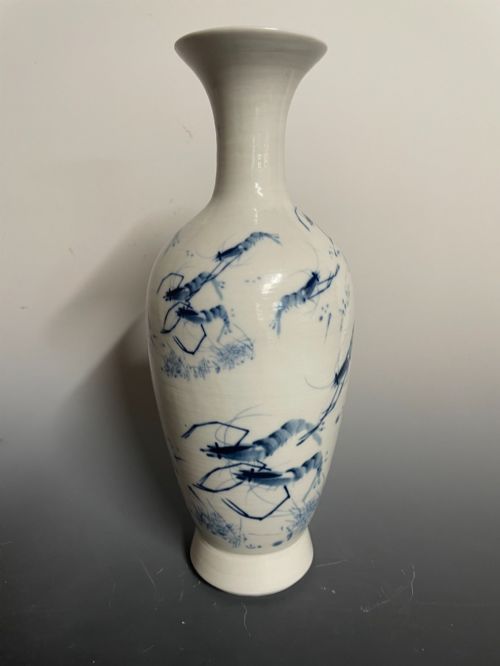
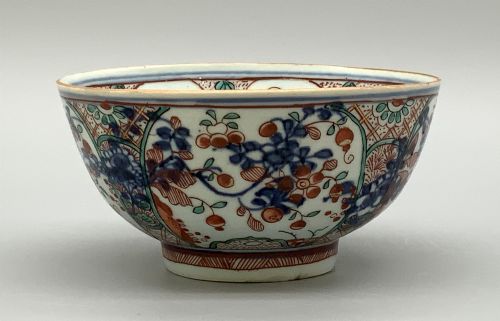
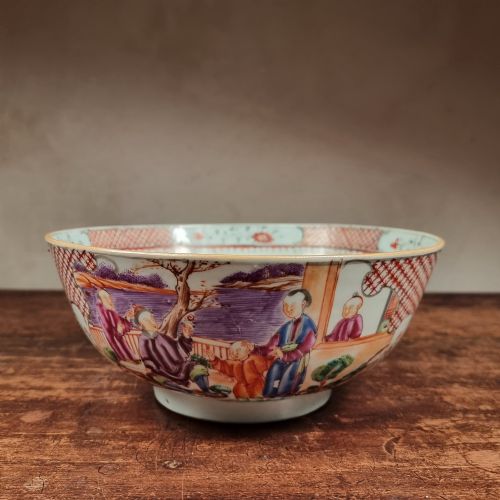
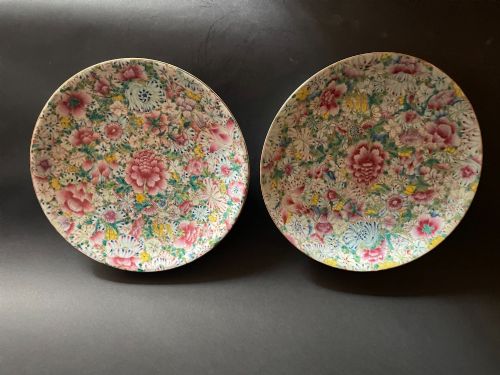
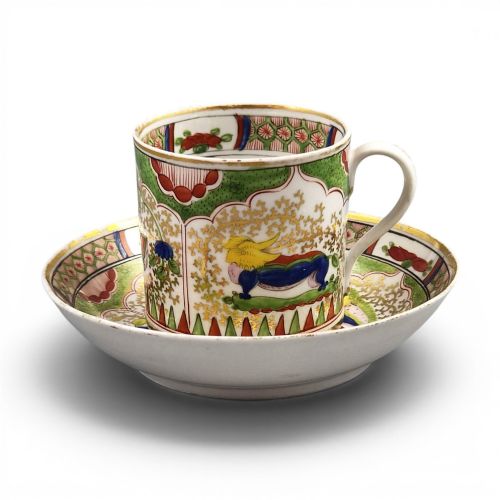
Oriental pattern porcelain encompasses a rich variety of decorative ceramics inspired by Eastern designs, including traditional Chinese motifs and Japanese styles. When you explore this selection, you encounter forms ranging from large chargers and baluster vases to delicate coffee cups and saucers.
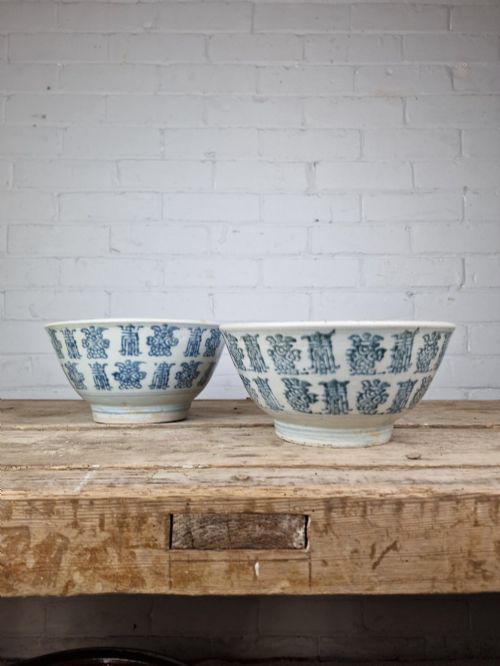
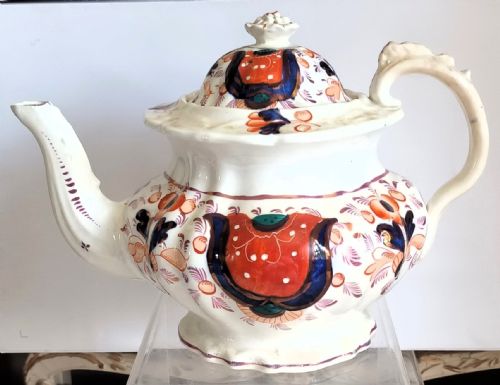
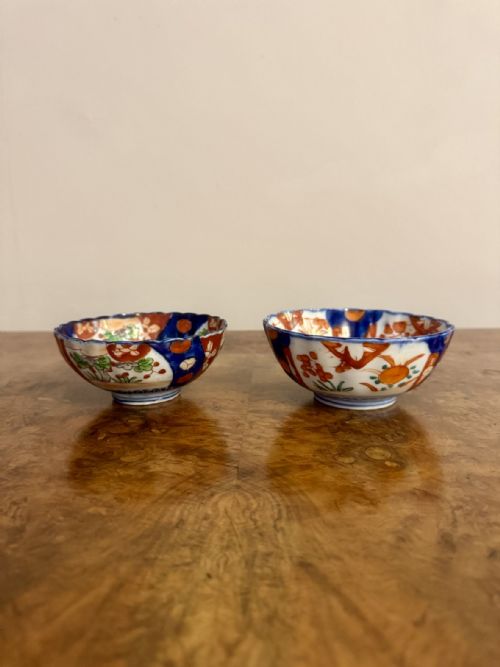
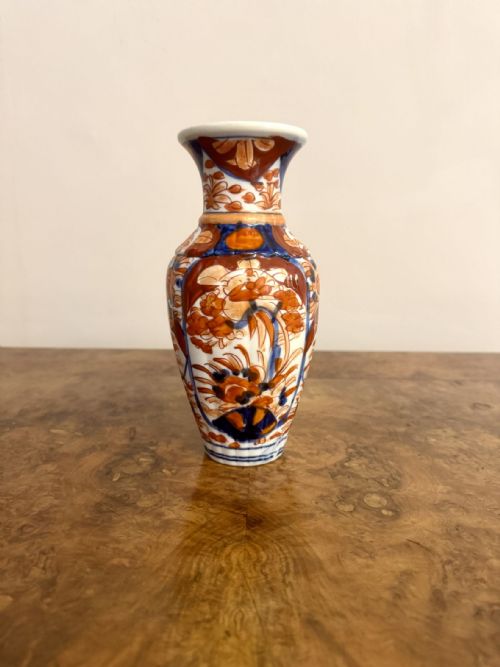
The objects available span multiple centuries, touching upon the Qing Dynasty, the Edo period, and the Meiji era alongside later European interpretations. Japanese Imari and Chinese blue and white ceramics appear frequently among these listings, offering distinct palettes and motifs.
Vessels take many shapes, including double-gourd vases, lidded jars, octagonal plates, and boat-shaped dishes. Alongside these traditional forms, European potteries such as Worcester, Minton, and Herend contribute pieces styled with Eastern-inspired patterns.
Materials and Techniques
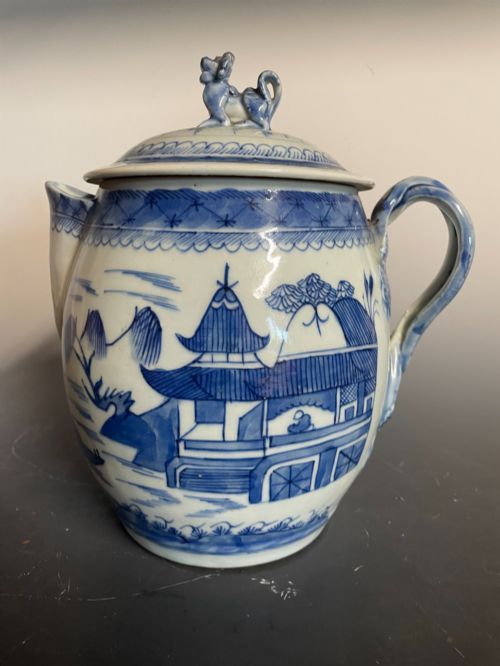
Potters shaped these objects using fine porcelain clay and earthenware, applying cobalt glaze for deep blue underglaze decoration before firing at high temperatures. Enamel colours and gold leaf were often added in subsequent low-temperature firings to build up rich, multi-coloured surfaces.
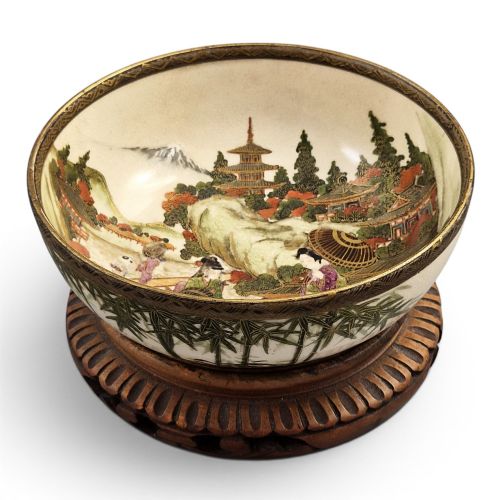
Gilt highlights and handpainted details define the finish of many pieces, particularly on Imari and Satsuma wares. Skilled artisans combined precise brushwork with contrasting glazes to create intricate compartments, floral sprays, and figurative scenes.
Listings feature porcelain, earthenware, enamel, and gold leaf across periods from the seventeenth century to the twentieth century.
Differentiating Quality
The precision and crispness of the handpainted detail distinguish finer examples from standard production wares. Controlled brushwork in cobalt blue or multi-coloured enamel demonstrates the skill of the original decorator.
The richness of the gilding and the clarity of the porcelain body also play a significant role. Pieces featuring well-defined forms, such as octagonal plates or substantial baluster vases with crisp moulding, represent the upper tier of the range.
Fukagawa·Worcester·Minton·Herend
The Oriental Pattern Porcelain Glossary
- Imari
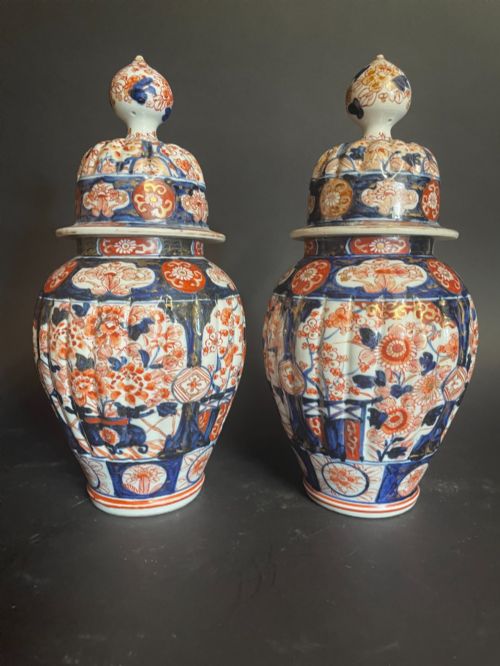
- A style of Japanese porcelain featuring a distinctive palette of underglaze blue, iron red, and gilt. These wares were produced in Arita and exported widely to Europe from the seventeenth century onwards.
- Famille Verte
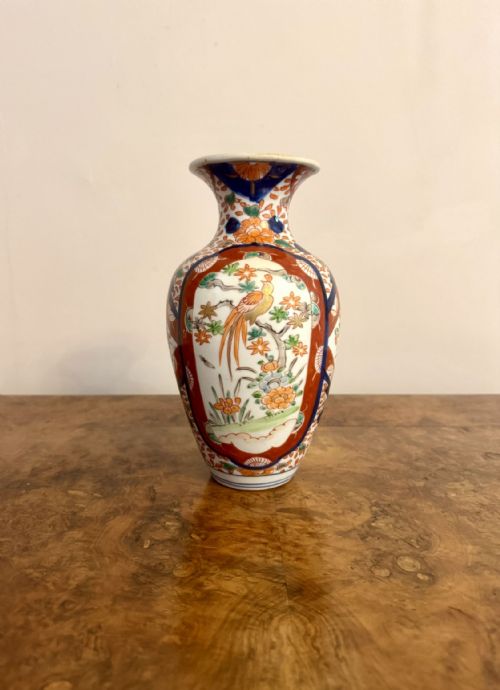
- A Chinese porcelain ceramic palette dominated by green enamel hues, developed during the Qing Dynasty. Artisans used this colourful scheme to depict flora, fauna, and narrative scenes.
- Satsuma
- A type of Japanese earthenware characterised by a crackle ivory glaze decorated with polychrome enamels and gilding. Production flourished during the Meiji period for both domestic and export markets.
- Chinoiserie
- European artistic style and imitation of Chinese and East Asian artistic traditions, particularly in decorative arts and ceramics. This aesthetic influenced various English and continental potteries.
- Celadon
- A term for ceramics denoting a pale green glaze resembling jade, achieved through iron oxide in a reduction kiln firing. This finish appears across multiple historical periods in Asian pottery.
Oriental Pattern Porcelain: Frequently Asked Questions
What is oriental pattern porcelain?
Oriental pattern porcelain refers to ceramics featuring traditional Eastern motifs, spanning genuine exports from China and Japan as well as European interpretations.
These pieces include blue and white vessels, Imari plates, and famille verte jars produced across several centuries.
How do I identify Japanese Imari ware?
Japanese Imari is typically recognised by its contrasting palette of cobalt blue underglaze combined with iron red and gilt overglaze.
Designs frequently incorporate floral arrangements and brocade patterns on porcelain plates, bowls, and large vases.
What is the difference between Chinese and Japanese pieces?
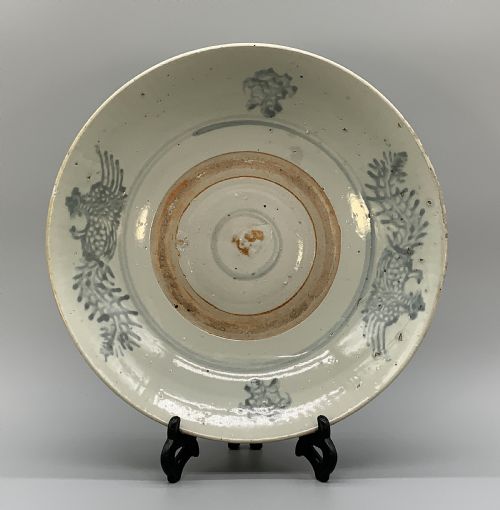
Chinese pieces often feature cobalt blue underglaze painting, intricate crackle glazes, or famille verte enamels from periods like the Qing Dynasty.
Japanese items, such as Satsuma earthenware or Meiji period porcelain, frequently utilise heavier gilding and distinct regional decorative motifs.
How should I display these ceramics at home?
These decorative plates, bowls, and lidded jars suit placement on mantelpieces, cabinets, or dedicated display stands where their colours are visible.
Larger items like double-gourd vases and stick stands work well as floor-standing focal points in a room.