




Antique Porcelain Mug
An antique porcelain mug offers a tangible link to domestic life of past centuries, prized for its hand-painted decoration and durable ceramic body.
Antique Porcelain Mug
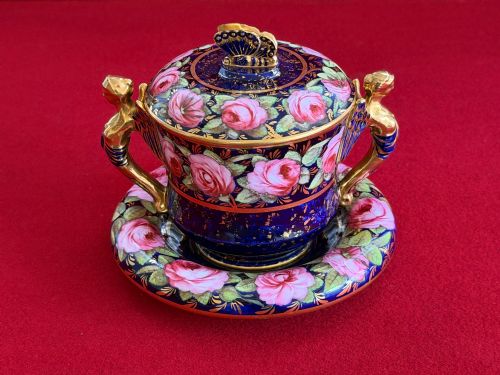
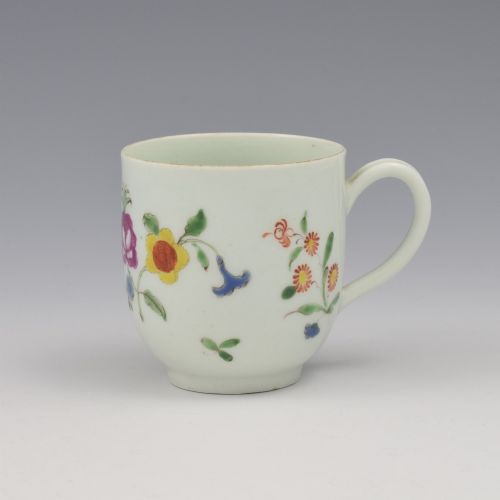
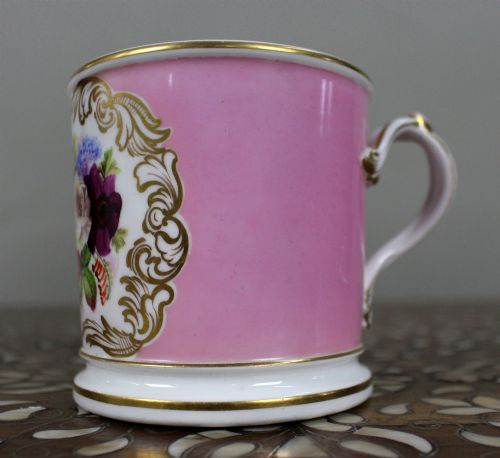
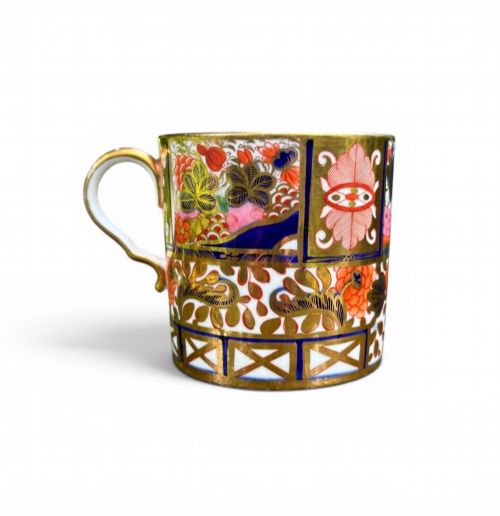
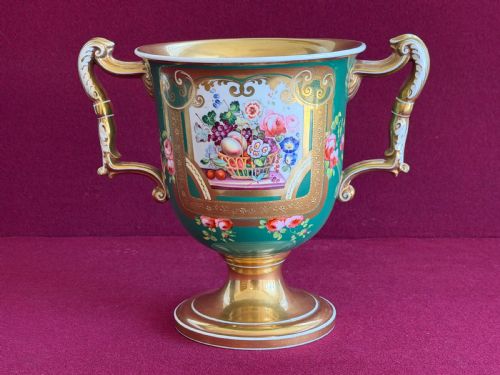
An antique porcelain mug encompasses drinking vessels designed for hot liquids, ranging from chocolate cups and coffee cans to larger porter mugs and loving cups.
Buyers encountering this phrase on the page regularly meet eighteenth-century Chinese export tankards, Georgian English factory pieces, and nineteenth-century cabinet items.
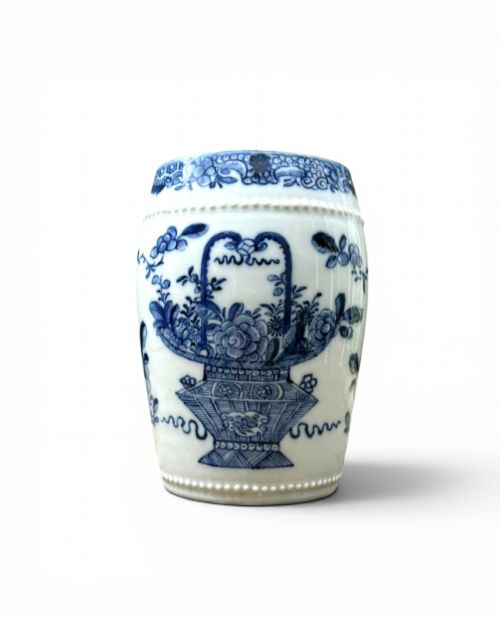
The forms extend from barrel-shaped vessels to multi-handled tygs and cylindrical tankards originating from English, continental European, and Asian kilns.
Materials and Techniques
Potters utilised soft-paste and hard-paste porcelain body recipes, shaped either by throwing on the wheel or moulding.
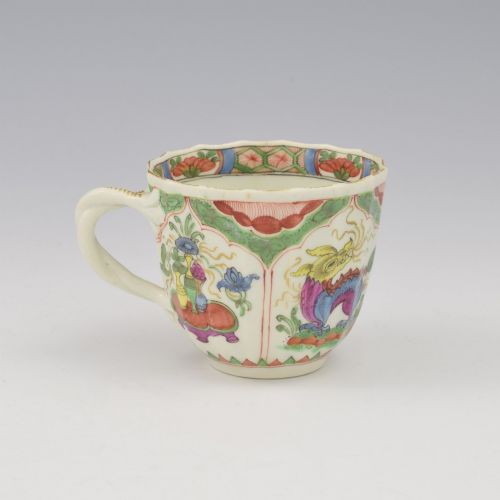
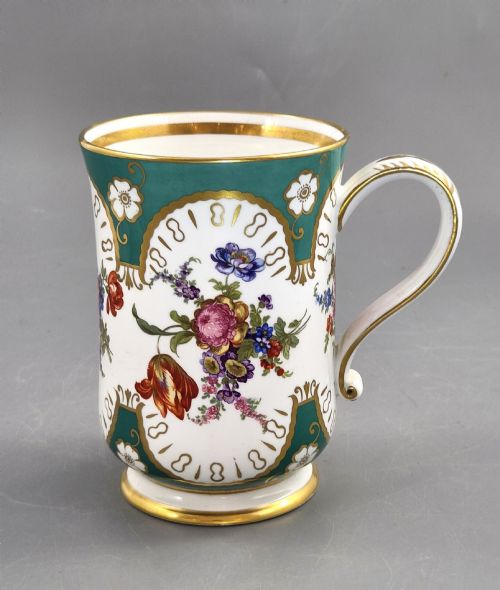
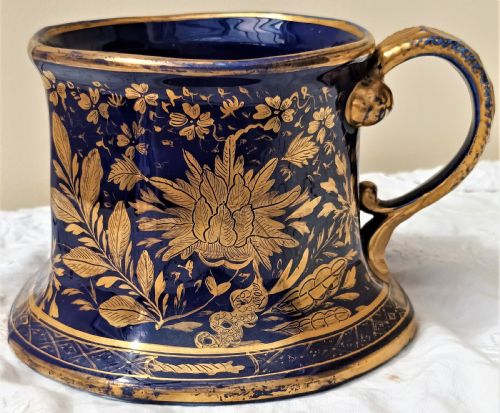
Decoration relied upon hand-painting with enamel colours, underglaze blue, and the application of gold leaf or gilding over translucent glazes.
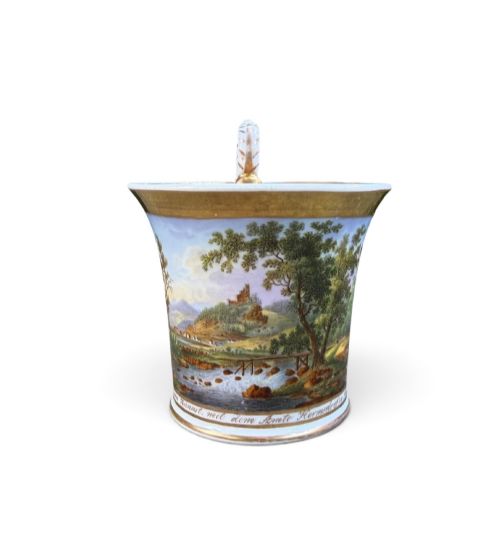
Firing took place in kilns where detailed Chinese figures, topographical scenes, or floral motifs were fixed beneath or above the glaze.
Barbershop collections contribute dozens of shaving mugs to the historical record, preserving the personal vanity habits of past gentlemen.
Evaluating Quality
Quality rests upon the crispness of the hand-painted enamels, the precision of the gilding, and the refinement of the porcelain body itself.
Pieces originating from notable factories like Worcester or Derby often demonstrate superior potting finesse and intricate subject matter compared to standard commercial wares.
Spode·Richard Chaffers·Grainger Worcester·Dr Wall·H & R Daniel·Stevenson and Hancock·Hadley Worcester·Royal Worcester
The Antique Porcelain Mug Glossary
- Hard-Paste Porcelain
- A dense, vitrified ceramic compound fired at high temperatures using kaolin and petuntse. It resists scratching and produces a bright, ringing tone when struck.
- Soft-Paste Porcelain
- An artificial ceramic mixture used by European factories before true hard-paste bodies were developed. It has a warmer, softer glaze appearance and lower firing temperature.
- Loving Cup
- A large drinking vessel typically featuring two or three handles designed for passing among company during communal toasts. They often commemorate specific events or marriages.
- Porter Mug
- A sturdy cylindrical drinking vessel intended for malt liquor or porter. These pieces generally possess thick walls and substantial handles for daily use.
- Imari
- A decorative style inspired by Japanese export wares featuring a palette of iron red, underglaze blue, and gold. Factories across Europe copied these vibrant patterns.
Antique Porcelain Mug: Frequently Asked Questions
How do I identify eighteenth-century porcelain?
Eighteenth-century porcelain often displays characteristic potting traits, such as unglazed foot rims revealing the body paste and hand-painted underglaze blue or polychrome enamel decoration.
Closer inspection under magnification reveals tiny baseline imperfections and hand-applied pigments typical of early factory production before industrial transfer printing dominated.
Can I use an antique porcelain mug for drinking?
While these vessels were originally made for functional consumption, age and historical significance make most collectors treat them as display objects.
Thermal shock from hot liquids or accidental impact can damage fragile eighteenth or nineteenth-century ceramic bodies and historical gilding.
What does Chinese export porcelain mean?
Chinese export porcelain refers to ceramics manufactured in China specifically for the European and American markets from the seventeenth through the nineteenth centuries.
These items often combined traditional Asian potting techniques with Western shapes and decorative themes requested by foreign trading companies.