
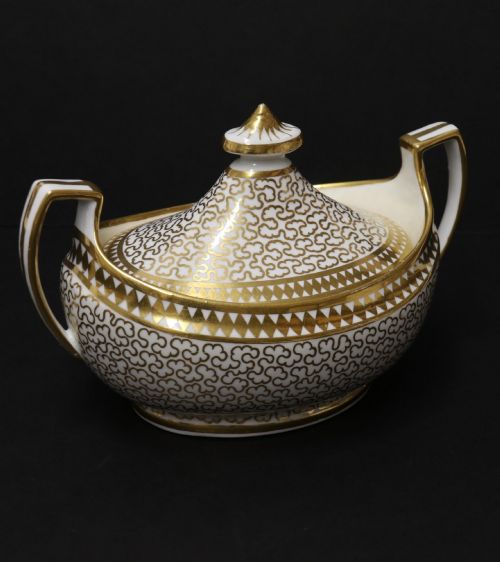


Antique Worcester Teaware
These pieces of antique worcester teaware are hand-painted soft-paste porcelain and porcelain vessels designed for eighteenth and nineteenth century tea tables.
Antique Worcester Teaware
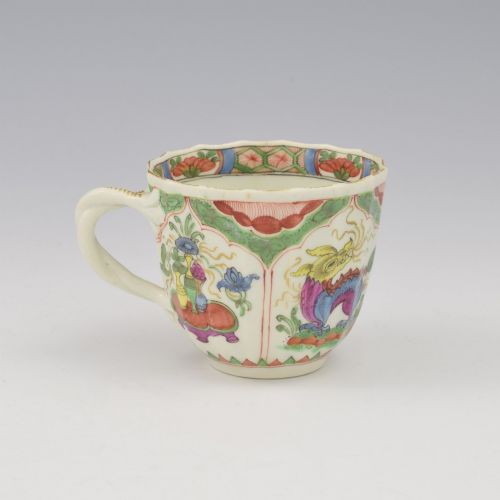
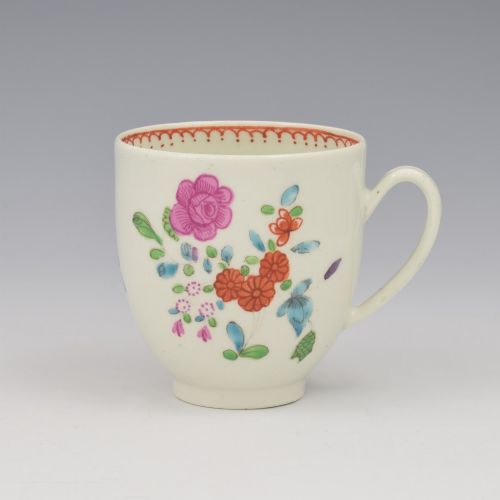
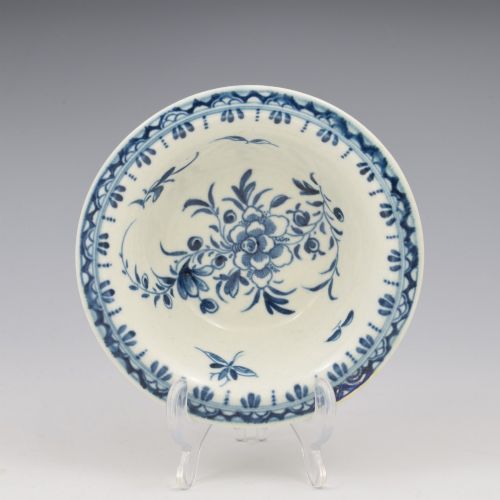
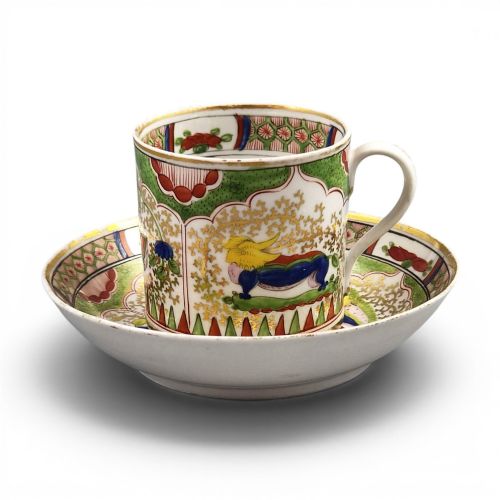
When you search for antique worcester teaware, you encounter eighteenth century and nineteenth century vessels ranging from tea bowls and saucers to teapots and coffee cups. The eighteenth century examples span the Dr Wall and First Period eras, featuring hand-painted chinoiserie motifs, floral sprays and blue crescent marks. Georgian and Regency pieces follow later, bringing distinct patterns like Dragon in Compartments and turquoise guilloche borders.
The pieces you meet most often on this page are coffee cups, tea bowls and saucers from the eighteenth century, decorated in underglaze blue or polychrome enamel. Teapots and sucriers appear less frequently, alongside occasional decorative dishes and mid twentieth century tea sets. Styles shift across the periods from rococo shapes to formal Regency tea wares.
Origins trace directly to Worcester factories across the Georgian and Regency eras, with nineteenth century output from makers such as Chamberlains and Royal Worcester. Forms include fluted coffee cups, patty pans and covered sugar bowls intended for display and domestic service. Each piece reflects the material standards and ceramic technology of its specific decade.
What varies in quality
The refinement of the painted decoration dictates the distinction between standard and superior pieces. Hand-painted polychrome floral designs, Mandarin figures and intricate Dragon in Compartments motifs demonstrate greater artisanal skill than simpler blue and white transfer or basic painted lines.
Material composition and glaze consistency also separate the tiers of production. Early soft-paste porcelain pieces from the eighteenth century exhibit different translucency and surface textures compared to later nineteenth century porcelain bodies.
A tiny patty pan meant for tarts somehow survived centuries alongside grand tea services.
Chamberlains Worcester·Royal Worcester
The Antique Worcester Teaware Glossary
- Soft-paste porcelain
- A ceramic composition made from glass frit and white clay rather than hard-paste materials. This early body creates a warm, slightly creamy appearance under the glaze.
- Dr Wall period
- The earliest phase of Worcester porcelain production, named after founder Dr John Cornwallis Wall. Pieces from this era often bear blue crescent or script marks.
- Chinoiserie
- European artistic style reflecting Chinese motifs and imaginary oriental scenes. This aesthetic appears frequently on eighteenth century tea bowls and coffee cups.
- Tea bowl
- A small drinking vessel without a handle used before tea cups with handles became standard. They appear alongside matched saucers in eighteenth century sets.
- Sucrier
- A covered vessel designed to hold sugar on the tea table. These matching containers complement teapots and tea bowls in ceramic services.
Antique Worcester Teaware: Frequently Asked Questions
What is First Period Worcester?
First Period Worcester refers to porcelain produced at the Worcester factory from its founding in the mid eighteenth century until the late eighteenth century. This era encompasses the Dr Wall years and is distinguished by early soft-paste bodies and hand-painted decoration.
Items from this phase frequently feature blue crescent marks, Chinese figures, or floral enamels. Collectors prize these early pieces for their historical importance and distinct ceramic chemistry.
How do I identify a tea bowl?
A tea bowl is a small, handleless drinking vessel designed for consuming tea during the eighteenth century. They were held in both hands and typically paired with a matching saucer.
As tea drinking habits changed in the nineteenth century, handleless bowls gave way to standard coffee cups and teacups with applied handles. Earlier sets retain these handleless bowls alongside fluted saucers.
Can I use antique tea sets?
Antique tea sets and individual teaware pieces are generally intended for display and collection rather than daily domestic service. The fragile nature of eighteenth century soft-paste porcelain and delicate overglaze enamels makes them vulnerable to modern dishwashers and thermal shock.
Careful handling preserves the gold leaf, enamel colours, and antique ceramic bodies. Owners typically keep these pieces in cabinets or use them only for very occasional ceremonial display.
How do I date Worcester porcelain?
Dating Worcester porcelain involves examining the paste composition, glaze characteristics, style of decoration, and factory marks. Eighteenth century pieces often show soft-paste bodies with blue crescent marks, while nineteenth century items from Chamberlains feature different paste types and painted script signatures.
Stylistic shifts from rococo forms and chinoiserie to Regency borders provide further chronological markers. Comparing pieces to documented examples helps narrow down the decade of manufacture.