


Vintage Pottery Planter
These vintage pottery planter options bring tactile earthen charm and architectural greenery indoors.
Vintage Pottery Planter
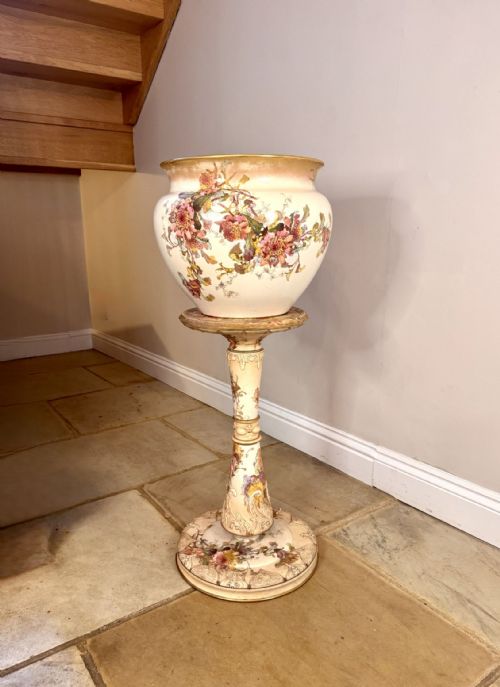
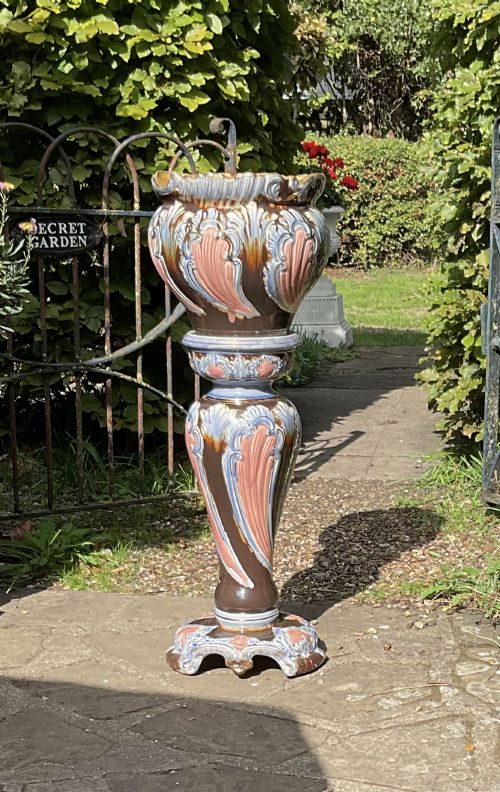
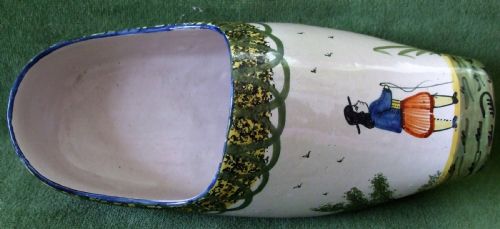
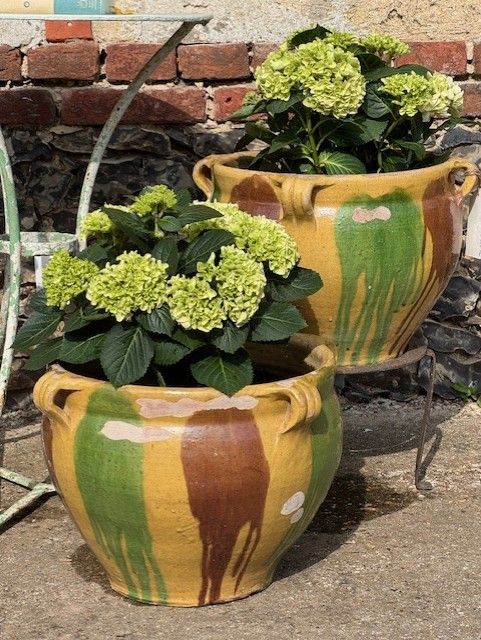
A vintage pottery planter covers a broad selection of earthenware, terracotta, and stoneware vessels originally designed to hold flora or house botanicals. You will frequently encounter heavy Victorian jardiniere pieces, vibrant Majolica cache pots, and earthy French confit jars across these listings.
The forms range from substantial pedestals and footbaths to squat vases and naturalistic pots shaped to mimic organic textures. Many examples span from the nineteenth century through the art deco and mid-century periods, showing diverse regional styles from English Doulton potteries to French provincial kilns.
Materials and construction methods
Potters relied on durable earthenware, terracotta, and heavy stoneware, shaping the clay by hand, on the wheel, or in moulds before firing. Surfaces were finished with lead glazes, salt glazes, or intricate drip glazes that added rich colour and protected the porous body.
Many vessels incorporated moulded relief decoration, hand-painted transfer patterns, or applied botanical motifs that reflected prevailing artistic movements such as Art Nouveau and the Arts and Crafts style.
Several cats guard these pages in ceramic form, waiting patiently inside feline wall pockets and confit jars.
Assessing craftsmanship and execution
The distinction between standard commercial wares and exceptional studio pieces lies in the crispness of the moulded relief and the depth of the glaze application. Finer examples display harmonious colour transitions, controlled drip effects, and balanced proportions without distortion from the kiln.
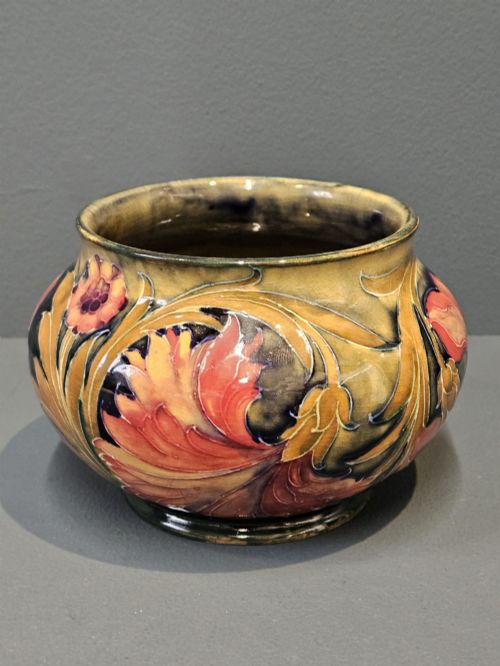
Makers known for artistic innovation, such as Doulton Lambeth or Moorcroft, invested greater skill in hand-finishing details and distinct ceramic bodies that elevated simple utility items into decorative focal points.
Moorcroft·Clarice Cliff·Doulton Lambeth·Royal Doulton·Julius Dressler·Makuzu Kozan II·Enoch Wood and Sons
The Vintage Pottery Planter Glossary
- Jardiniere
- A large ornamental pot or stand designed to hold a growing plant. These vessels are typically freestanding and glazed on the exterior.
- Majolica
- A type of earthenware coated with an opaque white tin glaze and painted with metallic oxide colours. It produces bright greens, blues, and purples with high gloss.
- Cache pot
- A decorative flowerpot used to conceal a plain inner plant pot with drainage holes. They protect furniture surfaces by containing excess water.
- Terracotta
- Unglazed or slip-coated fired clay ranging in colour from pale orange to deep reddish-brown. It remains slightly porous unless specifically sealed.
- Salt glaze
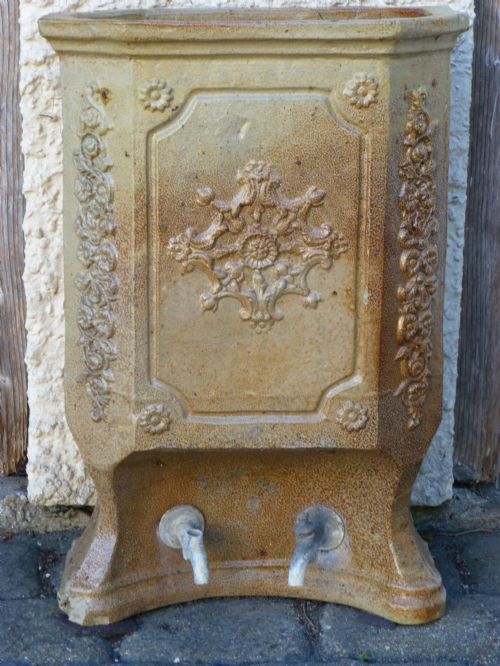
- A vitreous coating formed by throwing common salt into the kiln during high-temperature firing. This creates a textured, slightly pitted surface resembling orange peel.
Vintage Pottery Planter: Frequently Asked Questions
How do I use a vintage planter safely?
Place a plastic liner or saucer inside the vessel to protect the porous ceramic body from constant moisture contact.
Keep the base elevated slightly on felt pads to allow air circulation beneath heavy stoneware or earthenware pots.
Can these planters stay outdoors?
Most historic earthenware and porous terracotta pieces risk cracking if exposed to freezing winter temperatures outside.
Sturdier salt-glazed stoneware and thick garden pots handle outdoor conditions better, but indoor placement remains safest for decorated pieces.
How do I identify the period?
Examine the glaze style, base markings, and decorative motifs against known manufacturing eras like Arts and Crafts or Art Nouveau.
Victorian pieces often feature heavy floral relief work, while mid-century examples lean towards simplified forms and experimental glazes.
What is the difference between a jardiniere and a cache pot?
A jardiniere typically stands larger and heavier, sometimes featuring an integrated pedestal base for floor placement.
A cache pot is generally smaller and intended to sit on tables, mantelpieces, or windowsills to hide standard plastic nursery pots.