
Antique Blue Vase
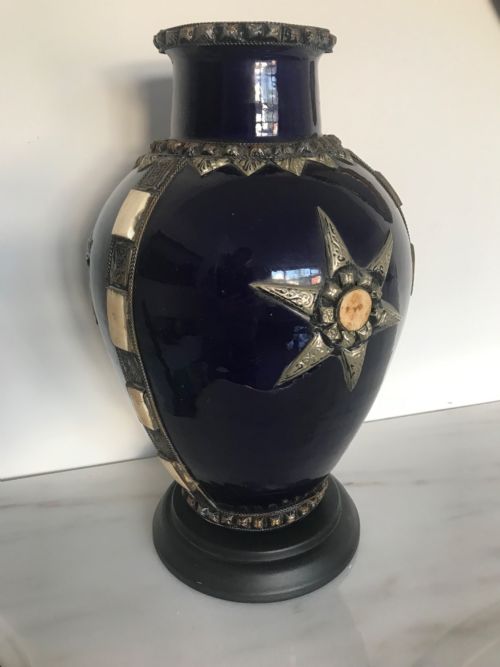
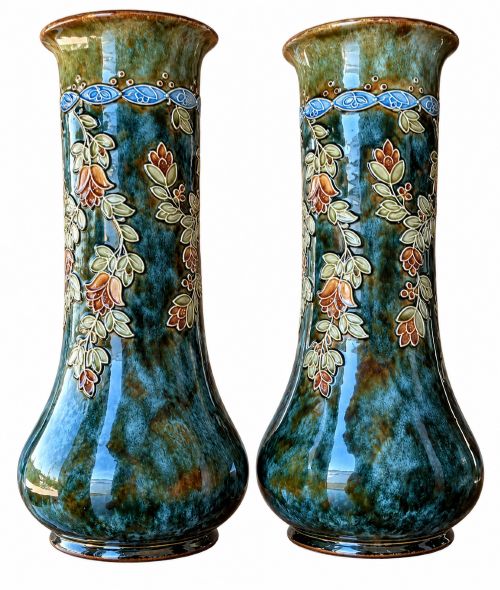
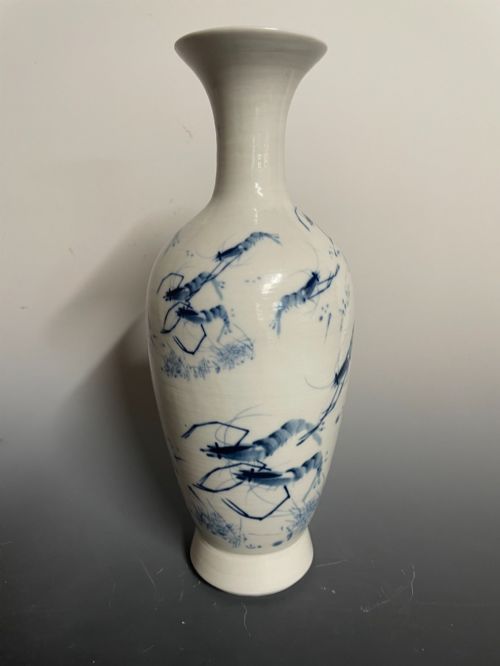
The antique blue vase brings together centuries of ceramic tradition, rich cobalt pigments and varied forms suited to display on mantels or pedestals.
Antique Blue Vase
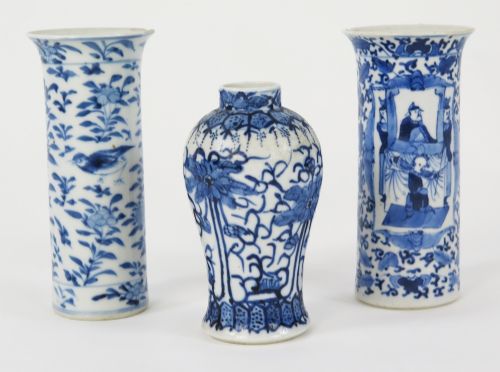
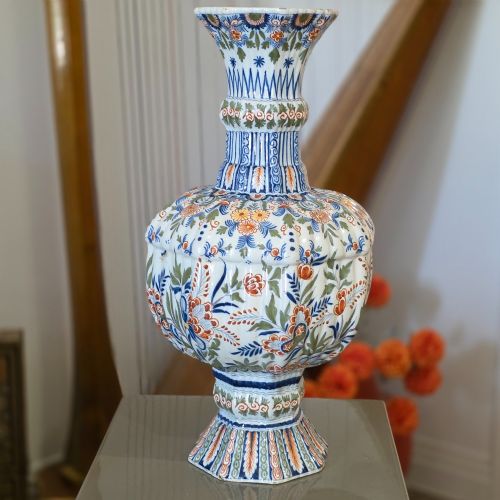
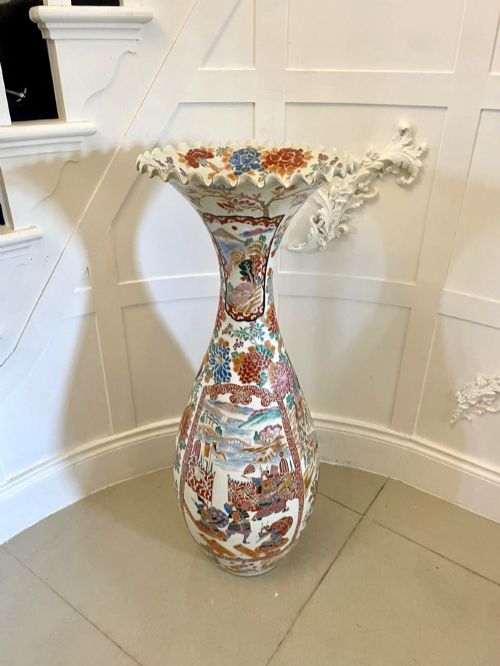
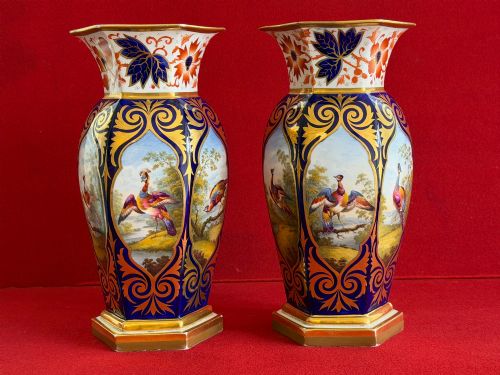
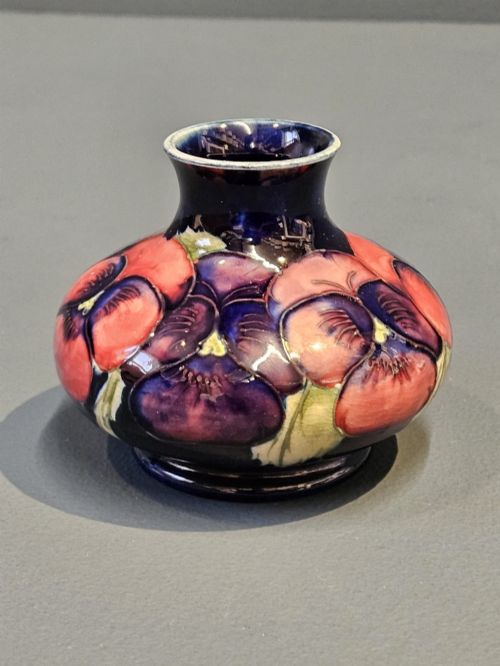
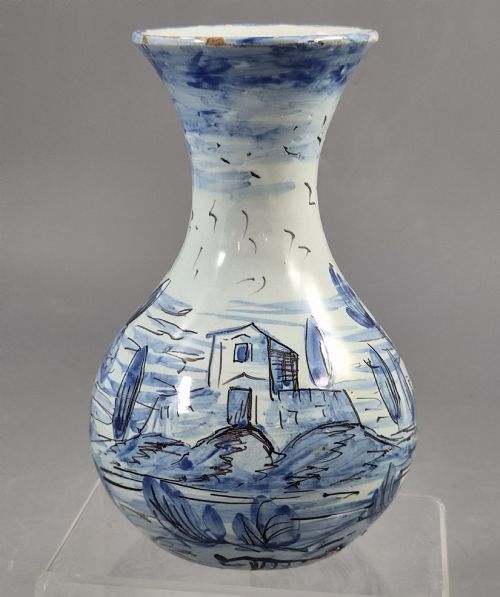
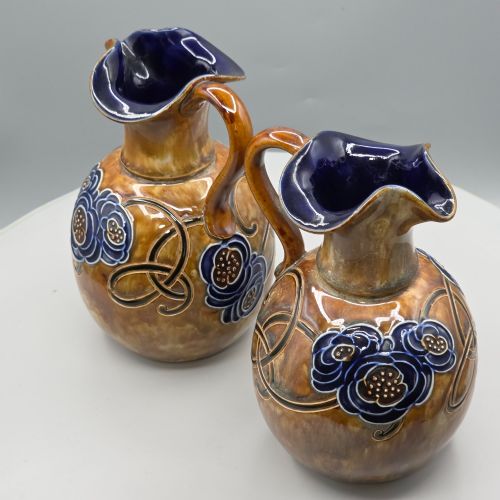
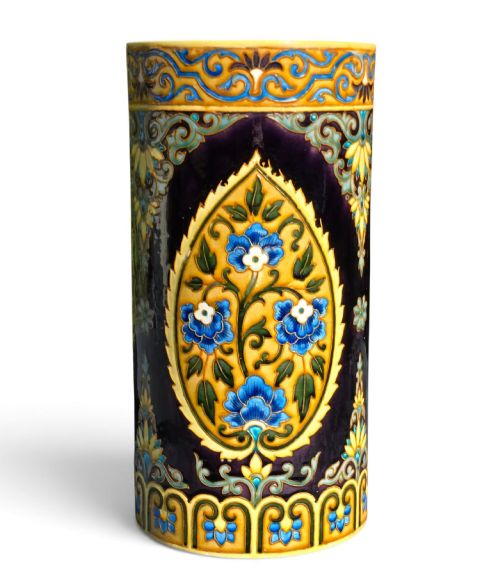
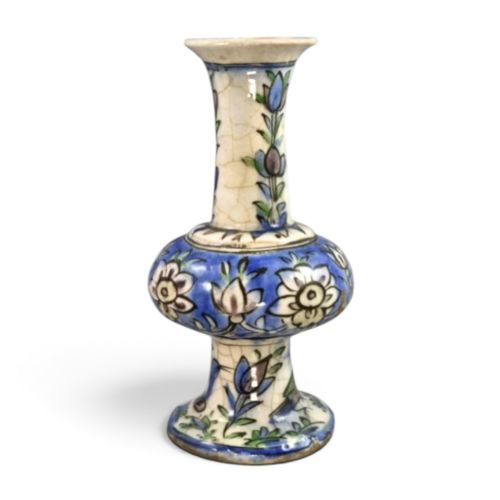
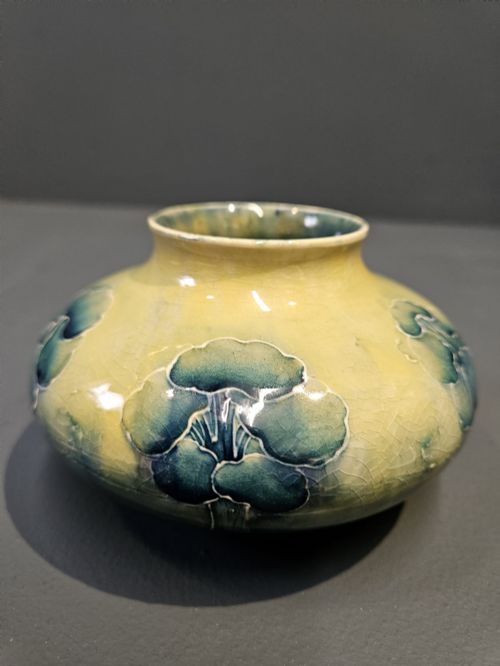
When searching for an antique blue vase, collectors encounter diverse forms ranging from small porcelain cabinet pieces to large floor-standing Japanese Imari vessels and earthenware umbrella stands. Many examples date from the nineteenth and early twentieth centuries, spanning Victorian, Arts and Crafts, and Art Nouveau movements. Originating from European potteries, English factories, and Asian kilns, these vessels often incorporate cobalt or powder-blue glazes.
The selection includes handled shapes, baluster silhouettes, twin-handled urns, and jars with covers. Styles reflect specific periods such as Regency, Renaissance Revival, and French Rococo Revival alongside Iznik-revival ceramics and Chinese export porcelain. Domestic production from makers like Royal Doulton, Moorcroft, and Wedgwood sits alongside international imports from Japan, Persia, and China.
How they were made
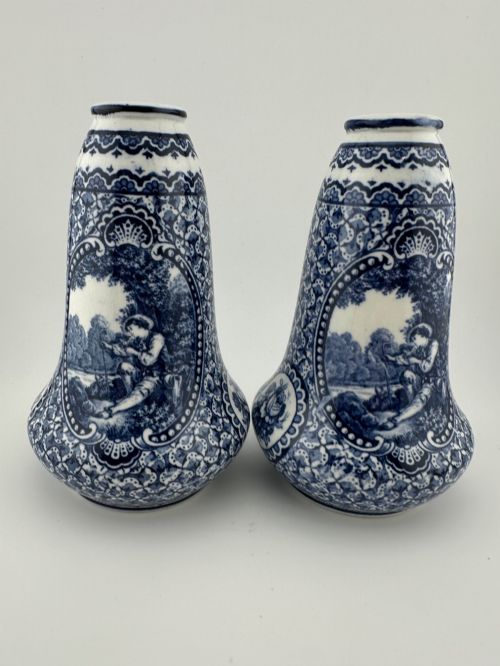
Makers utilised porcelain, earthenware, stoneware, and glass, applying underglaze blue, enamel, and metallic trims such as gold leaf and bronze mounts. Techniques involve hand-throwing on the wheel, slip-casting, and detailed hand-painting or transfer printing before firing in high-temperature kilns.
Decorative effects were achieved through crackle glazes, champlevé enamelling, and cloisonné wirework. Bronze or gilt-brass mounts were frequently added to European porcelain bodies to enhance the decorative profile of cabinet and mantel vases.
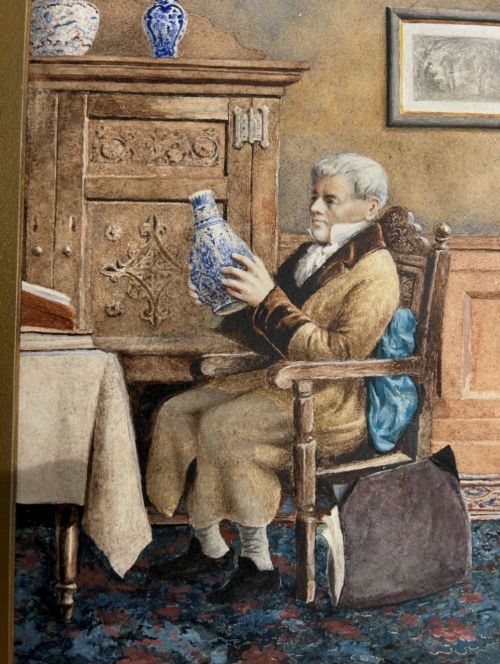
Several paintings on the site depict gentlemen and still-life arrangements actively admiring blue vases.
What varies in quality
Quality depends upon the crispness of the underglaze painting, the depth and evenness of the blue glaze, and the precision of any applied metal mounts. Finer pieces demonstrate careful balance in form, precise hand-painted detail, and intact original covers or mounts.
The reputation of the pottery or studio also influences the standing of a piece, with works from established designers and factories showing greater refinement in body preparation and glaze formulation.
Royal Crown Derby·Royal Doulton·Moorcroft·Wedgwood·Loetz Witwe
The Antique Blue Vase Glossary
- Imari
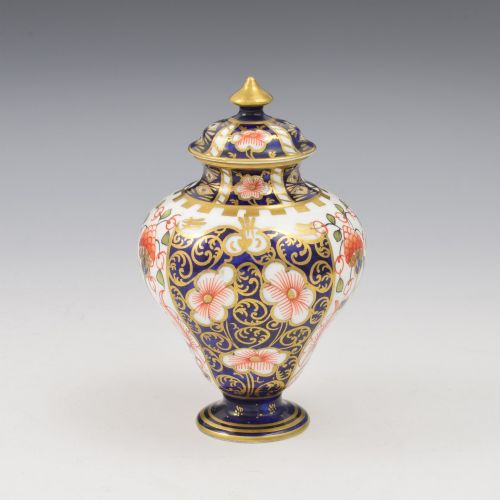
- A style of Japanese porcelain decorated in underglaze blue, iron red, and gilt, widely replicated by European potteries.
- Baluster
- A vase form with a rounded body that tapers toward the neck and stands on a widened base.
- Faience
- European tin-glazed earthenware, often produced in France and Italy during the nineteenth century.
- Champlevé
- An enamelling technique where troughs are carved into a metal surface and filled with vitreous enamel before firing.
- Bleu Céleste
- A bright sky-blue glaze developed at the Sèvres porcelain factory in France during the eighteenth century.
Antique Blue Vase: Frequently Asked Questions
How do I identify a Japanese Imari vase?
Japanese Imari pieces display a distinctive palette combining underglaze blue with iron red and gold highlights upon a white porcelain body. Motifs often incorporate floral panels and traditional landscapes.
These patterns were produced in large quantities for export during the nineteenth century and inspired many European factories to create their own interpretations.
Where were Bristol blue glass vases made?
Bristol blue glass was produced primarily in South West England during the late eighteenth and nineteenth centuries. The deep cobalt coloration was achieved by adding cobalt oxide to the glass batch during melting.
Items commonly include decorative posy vases, shaped jugs, and table pieces often enriched with enamel or gilt decoration.
What is a garniture of vases?
A garniture consists of a matching set of three, five, or more vessels designed to be displayed together on a mantelpiece or sideboard. Sets typically comprise a central vase flanked by matching jars or beaker vases.
Such arrangements were popular in European and Asian interiors during the Victorian period and earlier.
How are porcelain and earthenware distinguished?
Porcelain is fired at higher temperatures until the body vitrifies, making it non-porous and translucent when held to the light. Earthenware remains porous unless glazed and possesses a heavier, opaque body.
Cabinet vases and fine table pieces tend to use porcelain, while larger umbrella stands and rustic vessels employ earthenware or stoneware.