




1930s Cut Glass Vase
These 1930s cut glass vase pieces bring heavy crystal, brilliant wheel-cuts and rich coloured layers to any room.
1930s Cut Glass Vase
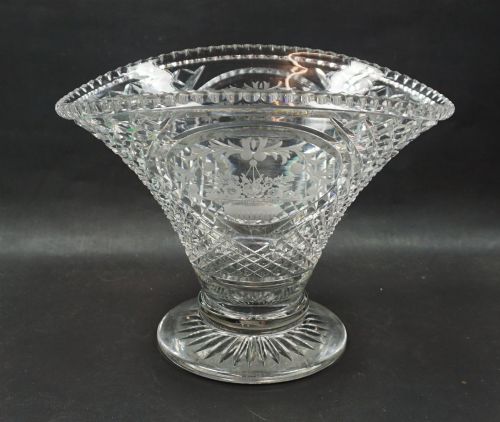
When you search for a 1930s cut glass vase, you encounter heavy decorative vessels shaped by continental and British makers during the interwar period. These pieces showcase the geometric rigour and bold colour palettes typical of the Art Deco movement.
The selections available here range from square etched vessels to vibrant cased and overlay glass forms. European potteries and glassworks dominate the origin points, particularly Belgian production from this era.
How they were made
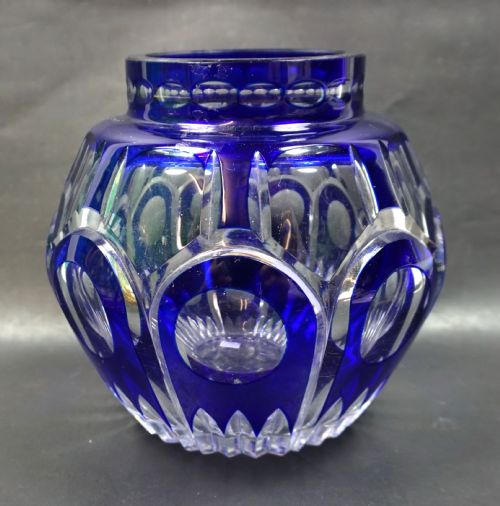
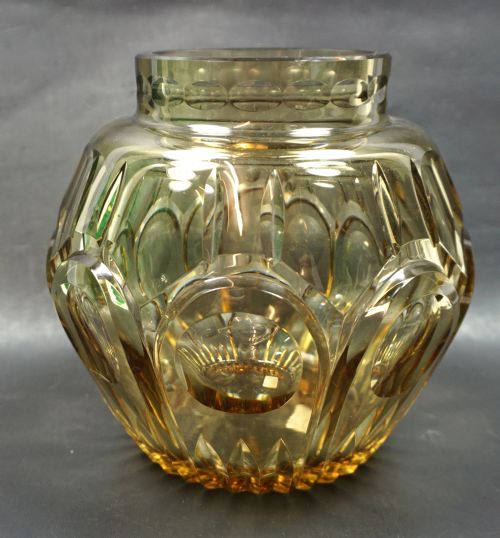
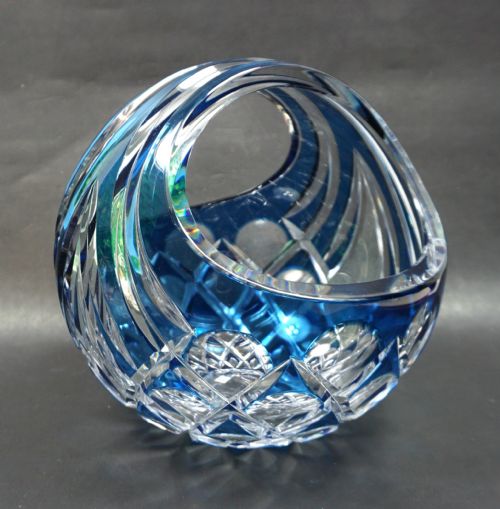
Makers utilised lead crystal, heavy glass, and cased or overlay techniques to build depth of colour. Molten glass gathered in layers allowed artisans to cut through the outer tinted strata to reveal the clear crystal beneath.
Surface decoration relied on wheel-cutting and enamel etching. Artisans carved sharp linear motifs into the thick walls to catch the light from multiple angles.
1930s Cut Glass Vase Retail Price Guide 2026
Typical asking prices for 1930s cut glass vase among the pieces listed under this phrase on Sellingantiques today, from the lower quarter to the upper quarter. They describe what is for sale here now, not the wider market.
Some topazes and sapphire blues from this era were formulated using secret mineral mixes that glow under ultraviolet light.
What varies in quality
The distinction between ordinary production and superior work lies in the crispness of the wheel-cut facets and the depth of the cased colour layers. Finer examples display precise geometric alignment and flawless glass clarity without internal bubbles.
Attribution to a known designer or factory elevates a piece significantly. Signed or documented works by prominent glass artists demonstrate superior technical execution compared to unmarked commercial output.
Joseph Simon·Charles Graffart·Val St. Lambert·Karl Palda·Keith Murray·Stevens and Williams
The 1930s Cut Glass Vase Glossary
- Cased glass
- A vessel formed of two or more distinct layers of glass, often contrasting in colour. This technique creates a rich optical depth when the outer layer is cut away.
- Lead crystal
- Glass containing metal oxide that increases weight, brilliance, and workability. It permits deeper and sharper facet cutting.
- Overlay glass
- Similar to cased glass, where a complete outer skin of coloured glass covers a crystal body. Cutting through this skin exposes the contrasting base material.
- Art Deco
- The dominant design style of the interwar period characterised by streamlined geometric shapes and stylised motifs. It strongly influences the profiles of these vessels.
1930s Cut Glass Vase: Frequently Asked Questions
How do I identify a 1930s cut glass vase?
Look for characteristic Art Deco geometric forms, heavy lead crystal construction, and bold overlay colours like sapphire blue, emerald green, and topaz. Distinctive cutting patterns and maker attributions help confirm the period.
Many pieces from this decade feature thick walls designed to showcase the contrast between clear crystal and a vibrant outer layer.
What is cased glass?
Cased glass consists of two or more fused layers of different coloured glass. Artisans cut through the exterior layer to reveal the contrasting glass underneath.
This method creates striking two-tone visual effects that define the appearance of many interwar decorative vessels.
Where were these vases made?
Production centres span across Europe, with notable output from Belgian glassworks alongside British and continental European makers. Major workshops employed leading designers to shape their commercial lines.
Factories such as Val St. Lambert produced a large share of the coloured overlay vessels found today.
How should I clean my vase?
Wash the glass gently in warm, soapy water using a soft cloth to avoid scratching the polished surface. Avoid harsh abrasives or sudden temperature changes that might stress old crystal.
Dry with a lint-free cloth to maintain the brilliance of the cut facets.