


Vintage Glass Vases
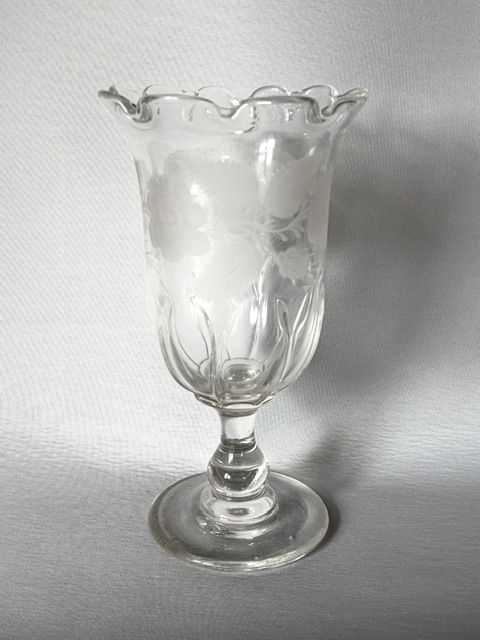
Vintage glass vases bring tactile weight and rich colour to a room, spanning from Victorian etched celery vessels to bold Art Deco opalescent creations.
Vintage Glass Vases
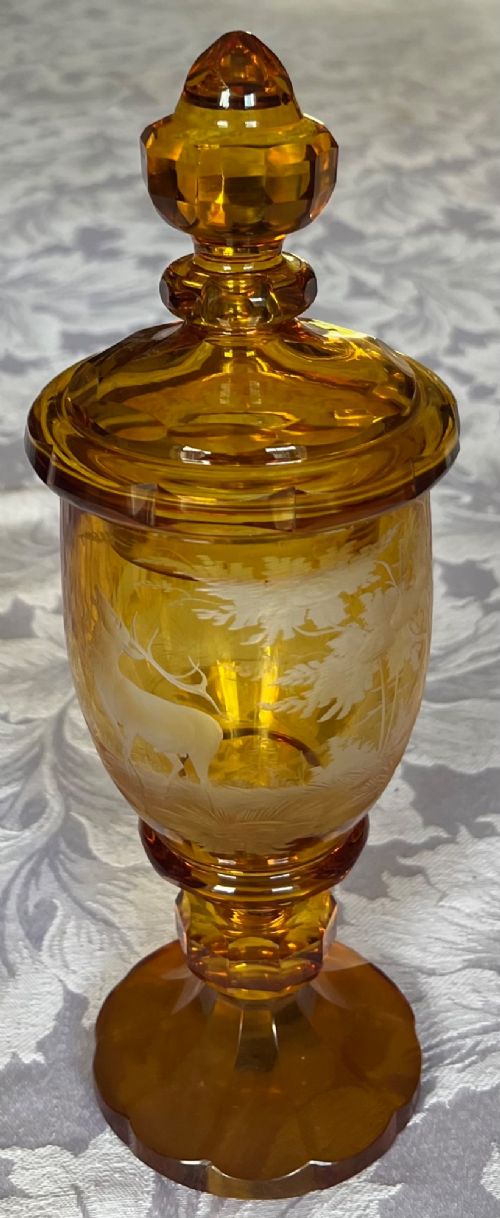
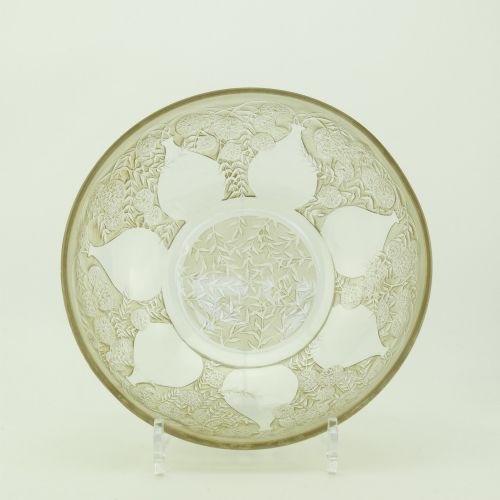
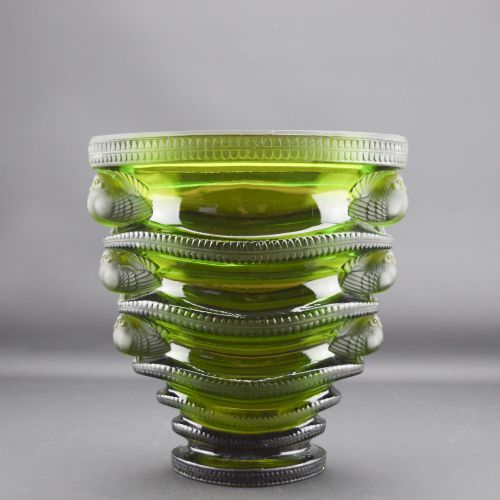
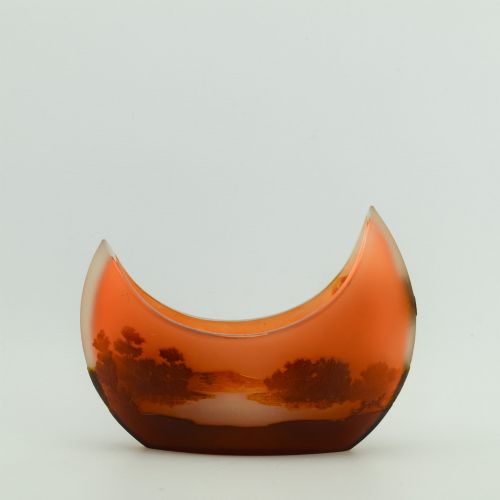
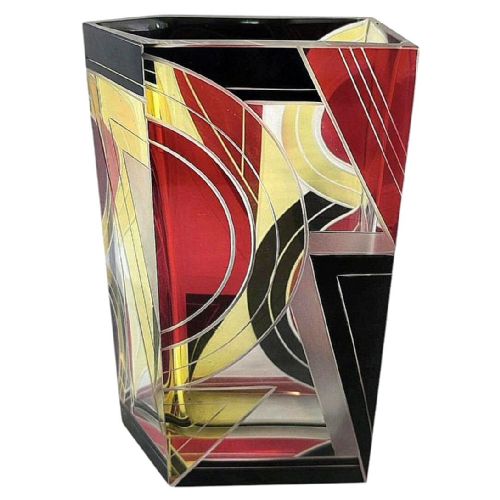
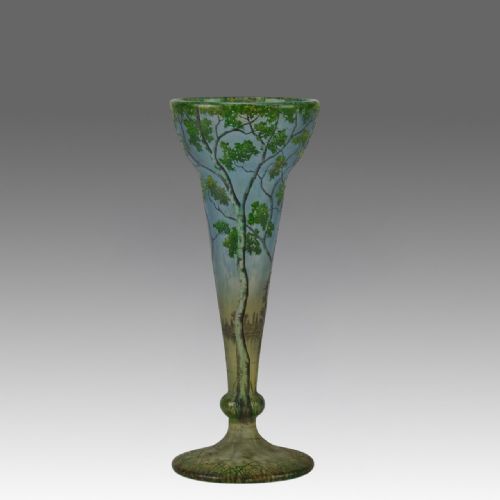
When searching for vintage glass vases, buyers encounter a diverse range spanning the nineteenth century through the Art Nouveau and Art Deco periods, extending into later studio work. The pieces appearing here encompass Victorian ruby and green lustres, intricate French cameo glass, and heavy geometric mouldings from continental makers.
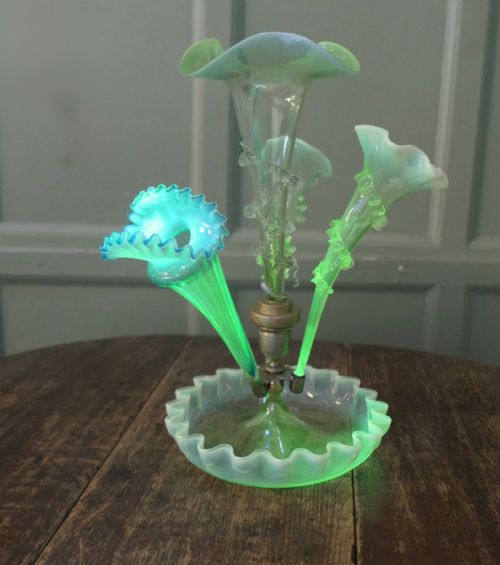
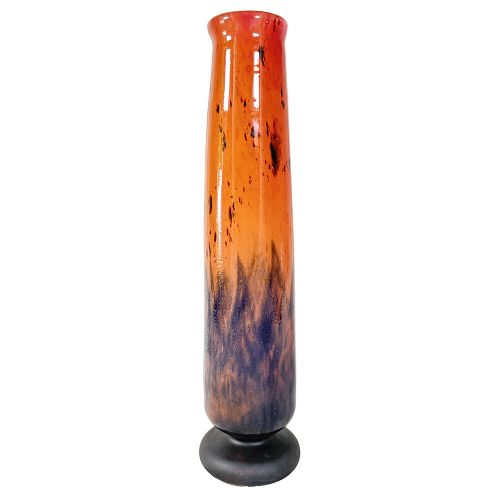
The selection ranges from tall tapering vessels designed for single stems to wide bowls and epergnes with multiple trumpets. Forms vary from simple hand-blown shapes to complex moulded designs featuring figures, animals, or abstract patterns.
Origins stretch across Britain, Bohemia, France, and Belgium, reflecting regional specialisms in cutting, enamelling, and pressing. Pieces from the early twentieth century frequently display the distinct stylistic markers of Art Nouveau flora or Art Deco geometry.
How they were made
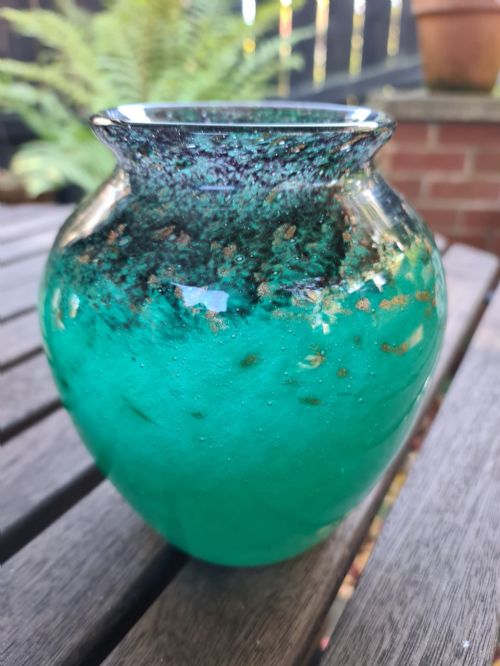
Makers utilised free-blowing, mould-blowing, and pressing techniques to shape the molten material, often adding metallic oxides to achieve deep greens, rubies, and blues. Casing layers of different coloured glass together allowed craftsmen to carve away outer strata using acid etching or wheel engraving to reveal contrasting tones underneath.
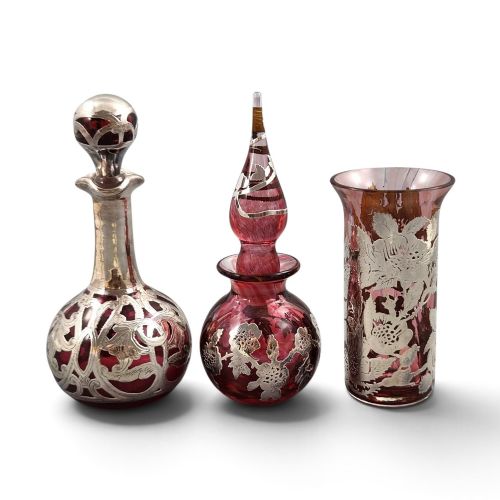
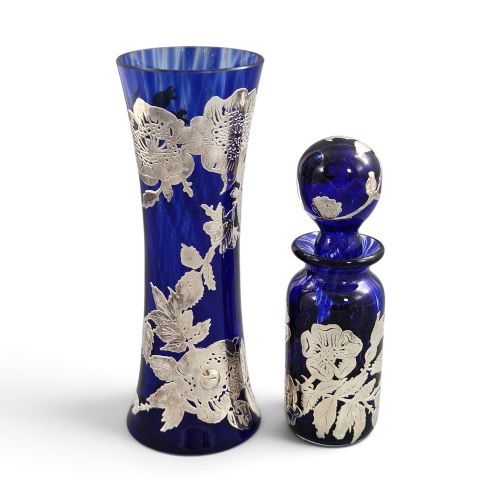
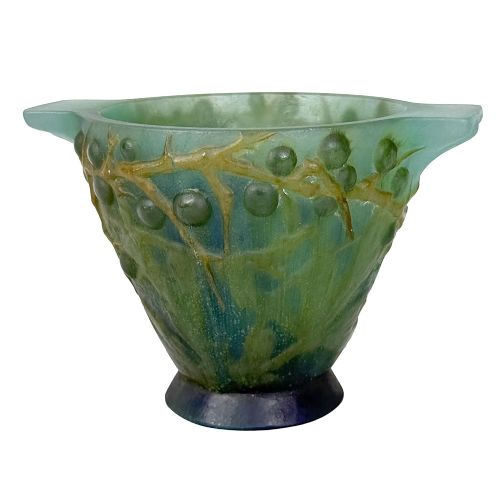
Surface decoration frequently involved enamel painting, gilding, or the application of silver overlays and mounts. Techniques like pate de verre fused powdered glass in moulds to create rich, textured vessels with dense colouration.
Materials represented include cased crystal, frosted glass, acid-etched cameo, and uranium glass across forms from small perfume bottles to large sculptural bowls.
What varies in quality
Quality rests in the crispness of the mould work, the depth of the carving or etching, and the purity of the metal itself. Finer examples show absolute control over colour gradients and precise execution in applied enamels or silver details.
Weight and balance distinguish superior vessels, particularly in heavy crystal and pressed pieces where thick walls demand expert annealing to prevent internal stresses. The distinction between standard production items and masterworks lies in the hand-finishing and the sharpness of surface detail.
Rene Lalique·Emile Galle·Daum·Johann Loetz·Val St Lambert·Venini·Amalric Walter·Libochovice·Laugharne Glass·Vasart Glass
The Vintage Glass Vases Glossary
- Cameo glass
- A vessel formed of two or more distinct layers of coloured glass fused together, where the outer layer is carved or acid-etched away to leave a raised design. This technique requires immense patience and steady hands to avoid biting through the background.
- Opalescent glass
- A type of glass containing agents that cause it to milky-blue in transmitted light and warm amber or orange in reflected light. Makers like René Lalique mastered this property to accentuate moulded sculptural details.
- Pate de verre
- Literally glass paste, this technique involves packing finely crushed glass mixed with a binder into a mould and firing it in a kiln. The resulting objects possess a characteristic sugar-like texture and dense, glowing colour.
- Table lustre
- A decorative Victorian glass centrepiece hung with prismatic crystal pendants designed to catch candle or daylight. These pieces often feature hand-painted floral motifs across ruby, emerald, or pink grounds.
- Uranium glass
- Glass coloured with uranium oxide that glows a vivid green under ultraviolet light. It was widely produced during the nineteenth and early twentieth centuries in various pressed and blown forms.
Vintage Glass Vases: Frequently Asked Questions
Are vintage glass vases marked by the maker?
Many factory-produced and studio pieces carry signatures, acid-stamped marks, or moulded initials near the base or rim. These marks can take the form of etched signatures, raised lettering, or paper labels depending on the manufacturer.
Unmarked examples remain common, requiring attribution based on specific colour palettes, weight, mould seams, and stylistic motifs. Examining the base for pontil scars helps determine whether a piece was hand-blown.
What is the difference between crystal and glass?
Crystal traditionally contains a proportion of metallic oxides that increase weight, brilliance, and refractive index compared to standard soda-lime glass. This composition allows for deeper, sharper cuts when engraving surface patterns.
Vintage pieces described as crystal often feel noticeably heavier in the hand and produce a clear, ringing tone when gently tapped. Standard glass remains lighter and was more commonly used for pressed or enamelled domestic vessels.
Can I display vintage glass vases in direct sunlight?
Direct sunlight can cause certain coloured and chemical-reactive glasses, such as manganese or uranium formulas, to alter their tint over time. Prolonged exposure may also fade delicate hand-painted enamels and gilding.
Positioning pieces away from intense south-facing windows preserves their original colouration and prevents thermal shock from sudden heat buildup. Ambient room light is generally sufficient to showcase their reflective qualities.