



Vintage Cobalt Glassware
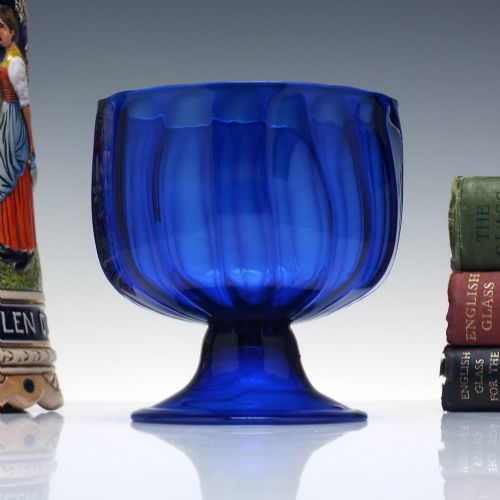
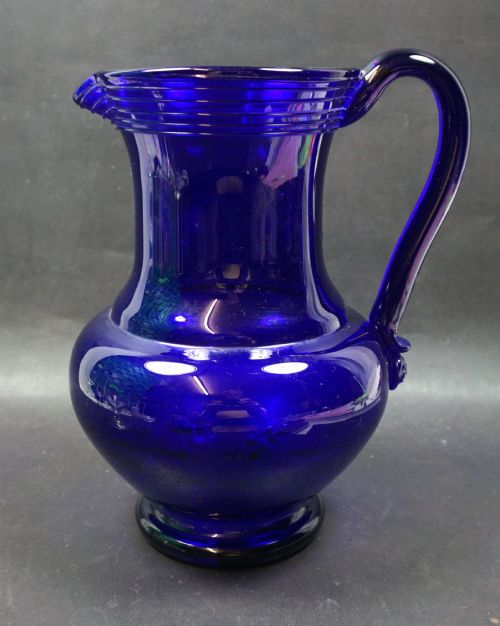
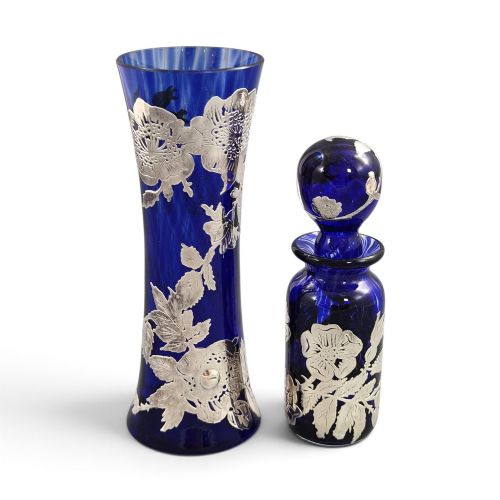
These pieces of vintage cobalt glassware catch the eye with their deep, intense blue tones, offering both striking visual presence and genuine historic character for the table or display cabinet.
Vintage Cobalt Glassware
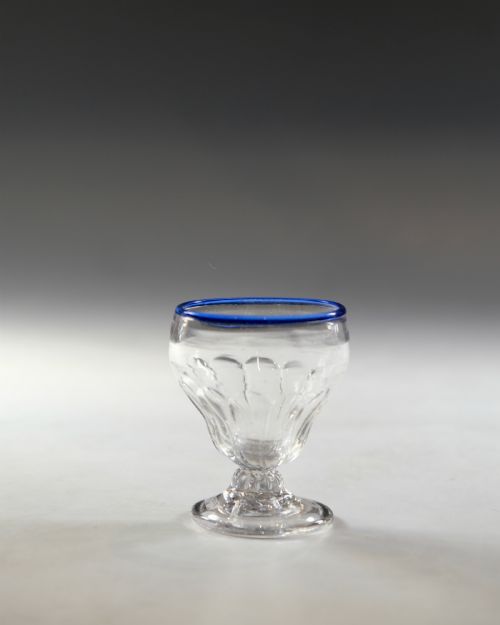
Vintage cobalt glassware encompasses a diverse range of functional and decorative items, from 18th century Georgian bonnet glasses and egg cups to later Victorian, Art Deco, and 20th century studio pieces. Collectors searching this phrase encounter everything from fine Bohemian and Moser crystal to Chinese Peking glass bottles and Scottish decanters.
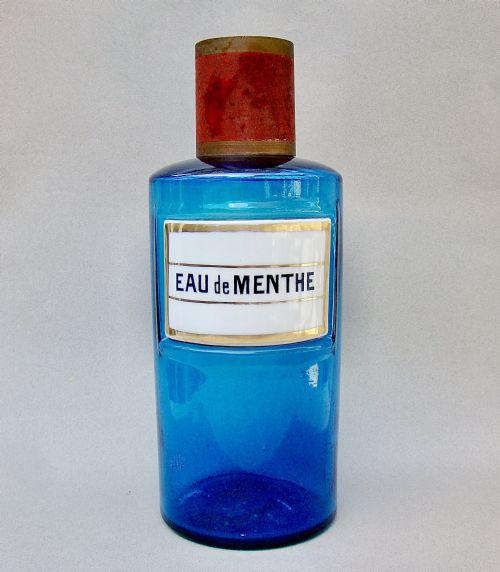
The material forms vary considerably across the eras, taking shape as vases, bowls, champagne flutes, sugar bowls, and apothecary bottles. Many examples combine the rich blue glass with sterling silver overlay or pair it with clear crystal elements to create distinct contrasts.
Origins stretch across British, European, and Asian workshops, spanning Georgian, Victorian, Art Deco, and Wiener Werkstätte stylistic movements. This variety ensures that pieces range from utilitarian apothecary storage to highly decorative tabletop and vanity wares.
Materials and production techniques
Production relies heavily on cobalt glass, lead glass, and lead crystal, shaped through traditional blown glass methods to achieve rich, saturated colour throughout the vessel. Artisans also utilised opaline glass and incorporated metal components, such as sterling silver overlays on vases and perfume bottles.
Cutting and shaping techniques defined the decorative surface of many pieces, seen in wrythened twists, faceted octagonal bottle vases, and deep cutting on crystal champagne flutes and wine glasses. These methods demanded precise thermal control and skilled hand manipulation while the material was molten or during the cold-working stage.
Vintage Cobalt Glassware Retail Price Guide 2026
Typical asking prices for vintage cobalt glassware among the pieces listed under this phrase on Sellingantiques today, from the lower quarter to the upper quarter. They describe what is for sale here now, not the wider market.
A collection of apothecary bottles proves that old medicine cabinets once housed the most alluring blue glass on the shelf.
Evaluating quality and craftsmanship
Depth of colour and clarity of the material set finer pieces apart, where the cobalt hue appears rich and even without muddy undertones. The purity of lead crystal and the precision of hand-cut facets determine how brilliantly a piece reflects light.
Execution of decorative details, such as the snug fit of silver overlay or the clean geometry of cut patterns and moulded forms, indicates the level of workshop skill. Finer examples display balanced proportions and crisp finishing touches that distinguish master production from standard wares.
Laugharne Glass·Moser Crystal·Otto Prutscher
The Vintage Cobalt Glassware Glossary
- Cobalt Glass
- Glass coloured by the addition of cobalt oxide during the melting process. This produces a deep, vibrant blue hue that remains stable and permanent.
- Lead Crystal
- Glass containing a high percentage of lead oxide, which increases weight, brilliance, and refractive index. It allows for sharper edges when cut.
- Wrythen
- A decorative spiral pattern formed in glassware while hot by twisting the molten gather or mould. This creates subtle diagonal ribs across the body.
- Overlay
- A layer of coloured glass applied over a body of contrasting colour or clear glass, often selectively cut away to reveal the underlayer. It is also used to describe decorative metal applied to the exterior.
Vintage Cobalt Glassware: Frequently Asked Questions
Are these pieces safe for daily use?
Many items like bowls, flutes, and decanters were made for functional service and remain robust enough for careful dining use. However, delicate cut crystal or pieces featuring silver overlay benefit from lighter handling.
Displaying them or reserving them for special occasions helps protect fragile historic surfaces from accidental knocks and everyday wear.
How do I identify a Georgian piece?
Georgian glassware often exhibits heavier pontil marks on the base where the punty rod was snapped off after blowing. The glass itself may show minor bubbles or irregularities typical of early manufacturing methods.
Forms such as bonnet glasses and wrythened egg cups also point directly to 18th and early 19th century domestic traditions.
What is the difference between glass and crystal?
Crystal contains specific metallic oxides, usually lead, which give the material greater weight and increased light dispersion compared to standard glass. This composition allows artisans to cut deeper, sharper geometric patterns into the surface.
Standard glass is lighter and typically formed through simpler blowing or moulding techniques without the heavy refractive qualities of crystal.