
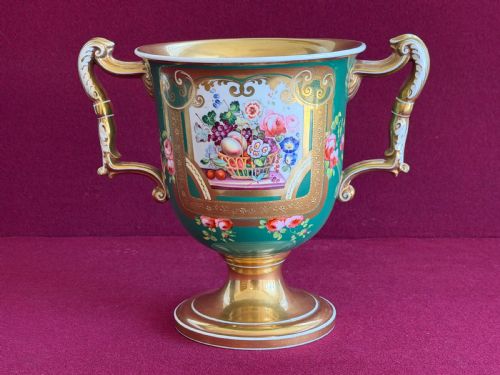


Two Handled Urn
A two handled urn brings classical symmetry and substance to a room, offering grand decorative presence through centuries of ceramic and metalwork traditions.
Two Handled Urn
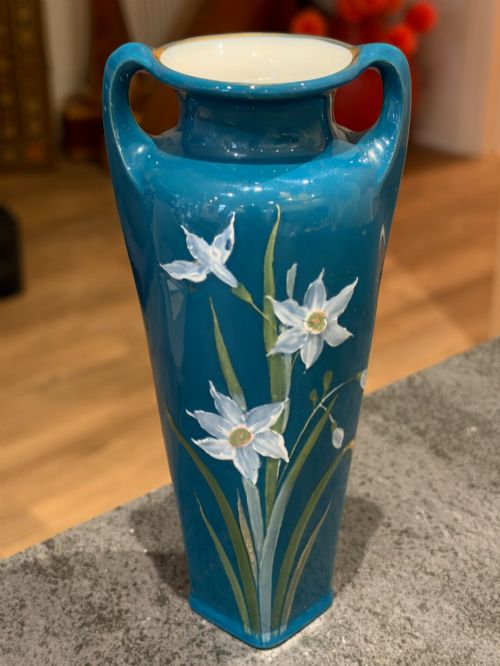
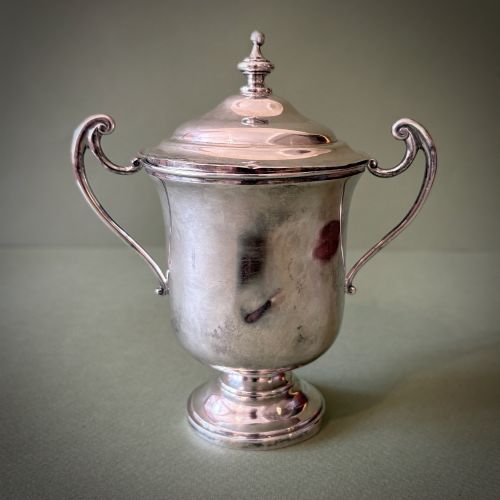
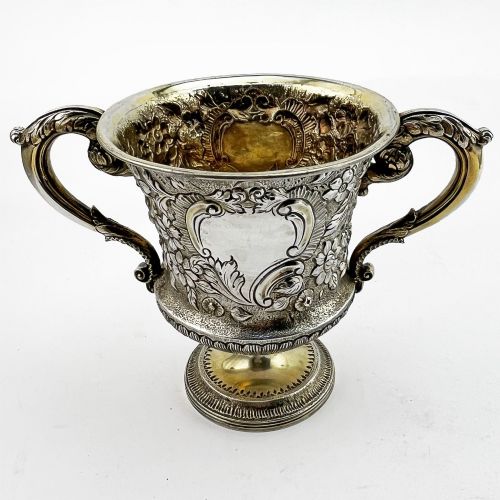
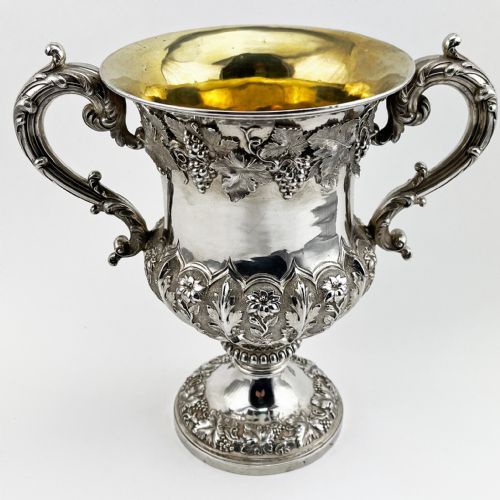
A two handled urn represents a venerable form spanning centuries of domestic and decorative metalwork and ceramics. When searching for a two handled urn, collectors encounter substantial silver vessels, painted porcelain display pieces, and robust terracotta garden vessels.
The pieces appearing here stretch from eighteenth-century Georgian silver cups to Victorian porcelain and late nineteenth-century earthenware. Most examples follow classical vase, campana, or trophy shapes equipped with twin handles for balanced lifting.
How they were made
Makers shaped these vessels using sterling silver, earthenware, terracotta, and fine porcelain, often applying surface enrichment such as gold leaf and delicate hand-painted scenes. Artisans formed silver through hammering and casting, while ceramic urns required careful throwing, firing, and glazing.
Many porcelain and earthenware pieces demonstrate intricate hand-painting by named artists, alongside specialised techniques like cloisonne enamel or dinanderie copper work. Gilding and enamelling provided the finishing layer of visual depth to both metal and ceramic bodies.
What varies in quality
Quality rests in the crispness of the casting, the precision of the hand-painted decoration, and the integrity of the material over time. Superior silver vessels display sharp hallmarks and balanced proportions, while porcelain examples reveal refined brushwork and unblemished glaze surfaces.
The reputation of the pottery or silversmith elevates certain works, distinguishing standard production pieces from master-painted porcelain or documented silver creations. Preservation of original gilding and surface detail ultimately separates ordinary specimens from exceptional ones.
H and R Daniel·Royal Worcester·Cantagalli·KPM·Ernst Wahliss Turn Vienna
The Two Handled Urn Glossary
- Campana
- A bell-shaped vessel with a flared rim and foot, frequently utilised for classical urns and trophy cups. This profile mimics ancient Roman garden ornaments.
- Sterling silver
- A standard alloy consisting of pure silver and other metals to ensure durability in tableware and trophies. Georgian and Victorian makers relied heavily on this material for presentation cups.
- Cloisonne
- A decorative metalwork technique where wire partitions hold enamel paste before firing. Japanese makers applied this method to create intricate surface patterns.
- Faience
- Tin-glazed earthenware produced across various European centres. This porous ceramic body supports vibrant painted decoration beneath a glossy glaze.
- Dinandeire
- Traditional Flemish brass and copperware created through beating and etching. Makers produced heavy vessels and planters using these resilient base metals.
Two Handled Urn: Frequently Asked Questions
How were two handled urns originally used?
These vessels served diverse functions ranging from civic presentation trophies and racing cups to grand interior display ornaments and garden planters. Metal versions often marked athletic or agricultural achievements.
Ceramic examples functioned primarily as decorative focal points on mantelpieces or sideboards, occasionally holding flowers or acting as oil jars in domestic spaces.
How do I distinguish between periods?
Georgian and Regency examples typically exhibit restrained neoclassical lines and heavy sterling silver construction, while Victorian pieces often embrace elaborate painted porcelain and bolder ornamentation. Edwardian works continue refined floral decoration.
Examining maker marks, hallmarks, and painting styles provides the clearest indication of date, as porcelain bodies and silver standards shifted across each successive decade.
Can I use a ceramic urn outside?
Terracotta and earthenware oil jars suit garden environments, whereas porcelain and fine ceramic urns remain strictly for interior display. Frost resistance depends entirely on the specific clay body and firing temperature.
Antique ceramic pieces require protection from freezing temperatures and moisture to prevent cracking and glaze deterioration over time.
How do I clean antique silver and porcelain?
Silver urns require gentle polishing with appropriate silver cloth to maintain the natural patina without removing thin gilt highlights. Harsh chemical dips risk damaging delicate surfaces and applied decoration.
Porcelain and earthenware need only dusting with a soft brush or wiping with a dry cloth, avoiding water immersion if the piece has old repairs or crazed glazes.