



Antique British Porcelain
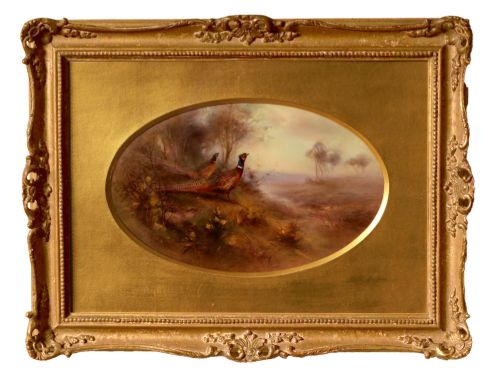
Antique british porcelain brings together hand painted birds, highland cattle and rich gilding from historic factories like Royal Worcester.
Antique British Porcelain
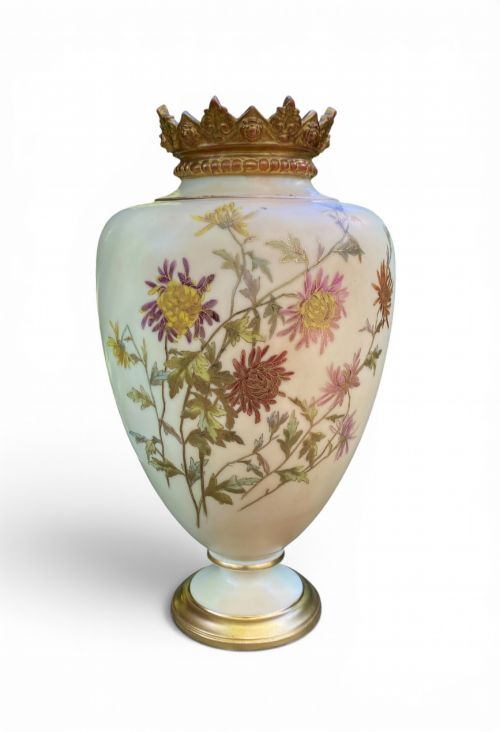
When you search for antique british porcelain, you are looking at fine ceramic vessels, cabinet plates and painted plaques produced by notable makers. The pieces available span the Victorian era, the Edwardian period and Art Deco designs.
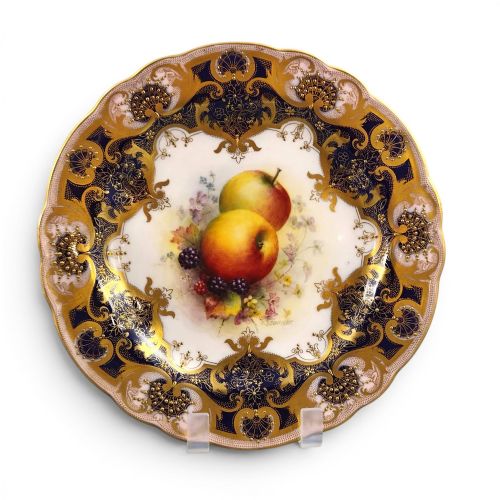
You are most likely to meet decorative vases and cabinet plates bearing hand painted scenes of birds, fruit and cattle. These items range from nineteenth century examples to pieces dated into the early twentieth century.
How these pieces were made
Makers shaped fine porcelain and applied intricate glazes before firing the ceramic bodies at high temperatures. Skilled artists then added hand painted details using enamel paints.
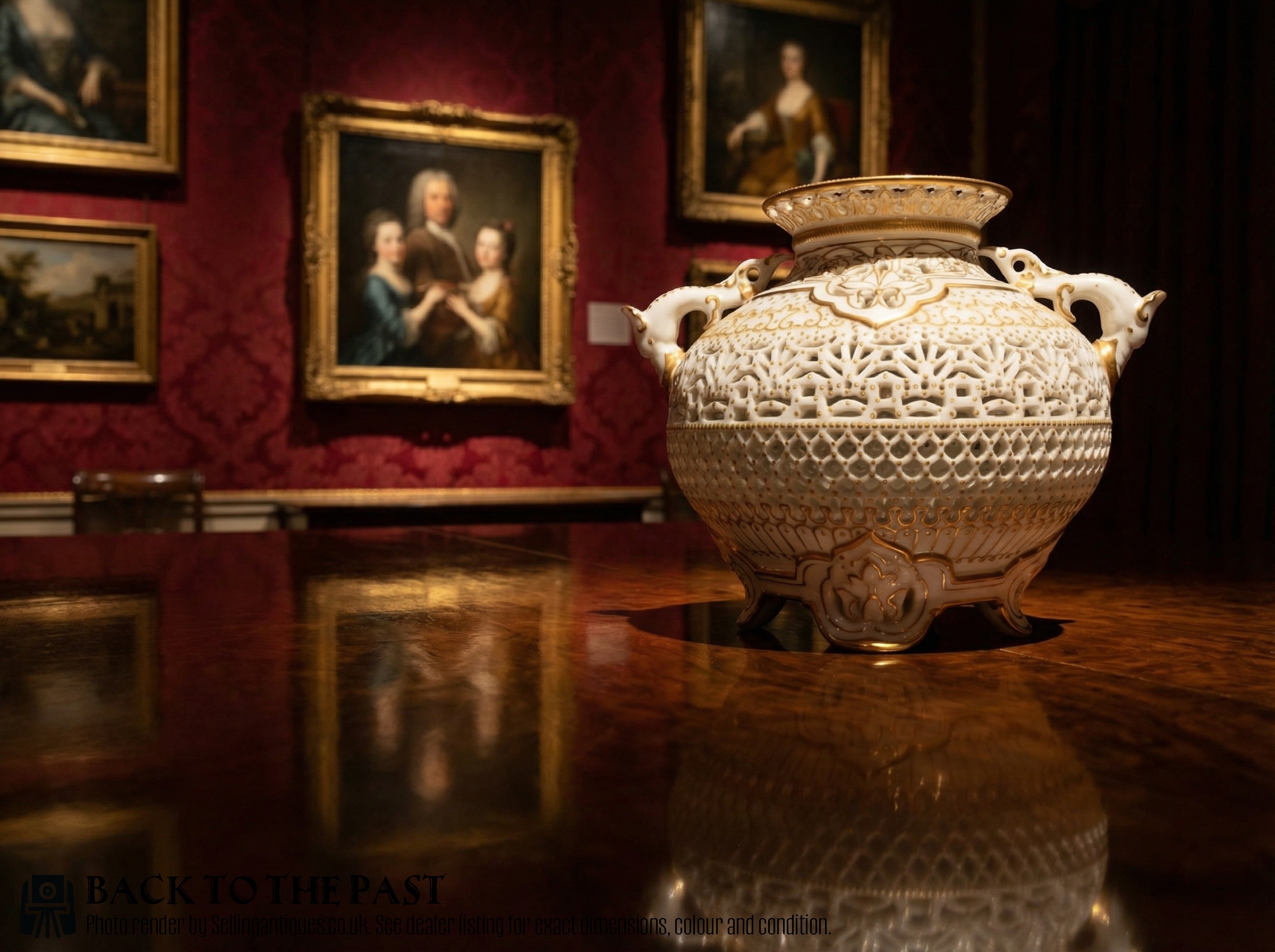
Craftspeople finished many pieces with gold leaf, gilt and paint to highlight reticulated patterns and decorative borders.
Antique British Porcelain Retail Price Guide 2026
Typical asking prices for british porcelain among the pieces listed under this phrase on Sellingantiques today, from the lower quarter to the upper quarter. They describe what is for sale here now, not the wider market.
Listings feature porcelain pieces spanning the nineteenth century, Victorian Aesthetic Movement, Edwardian era, and Art Deco period.
What varies in quality
The skill of the hand painting creates the primary distinction between standard items and exceptional works. Master artists like James Stinton or Harry Stinton achieved remarkable detail in animal and bird subjects.
The complexity of the ceramic form also dictates quality, particularly where reticulated piercing or elaborate gilt work demands advanced technical proficiency.
James Stinton·Royal Worcester·Richard Sebright·Royal Doulton·George Owen·Harry Stinton·John H Plant·Herbert Davis Richter·Chamberlains Worcester
The Antique British Porcelain Glossary
- Porcelain
- A hard, white ceramic material fired at high temperatures. It forms the smooth, vitreous base for fine painting and gilding.
- Cabinet plate
- A decorative ceramic plate intended for display rather than dining. These often feature detailed painted scenes framed by gilt borders.
- Reticulated
- A technique of piercing or openwork cutting in the ceramic body. This creates an intricate web pattern across the porcelain surface.
- Ewer
- A large pitcher or jug with a flared spout and handle. Many examples serve a purely decorative function rather than holding liquids.
- Enamel
- A glass based substance fused to the porcelain surface through firing. It provides vibrant, permanent colour for hand painted designs.
Antique British Porcelain: Frequently Asked Questions
How do I identify Royal Worcester porcelain?
Look for factory backstamps underneath the glaze, which often include crescent marks or date codes specific to the nineteenth and twentieth centuries.
Many high quality pieces also feature signature panels by renowned artists such as the Stinton family or Richard Sebright.
What is a cabinet plate used for?
Cabinet plates were created exclusively for display in glazed cabinets or on walls rather than for practical dining use.
They showcase the finest hand painted artistry of the factory, featuring subjects like fruit, birds or landscapes framed by rich gilding.
Are painted porcelain plaques rare?
Porcelain plaques painted by master artists represent a specialised branch of ceramic art produced in limited numbers.
Framed for wall display, they allow artists to execute detailed pictorial scenes without the curved constraints of a vase or plate.