



Hand Painted Porcelain Flask
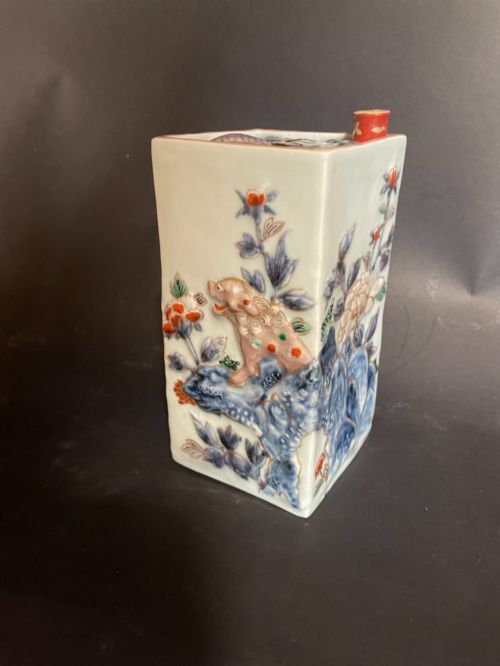
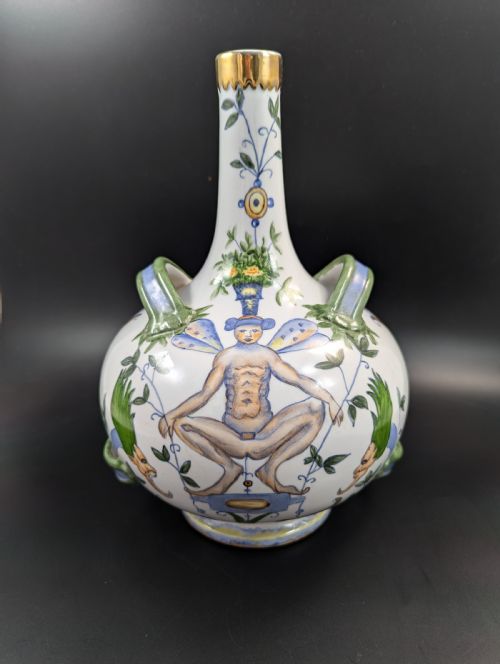
These hand painted porcelain flask examples combine ceramic artistry with portable utility, offering collectors rich miniature canvases spanning multiple centuries and continents.
Hand Painted Porcelain Flask
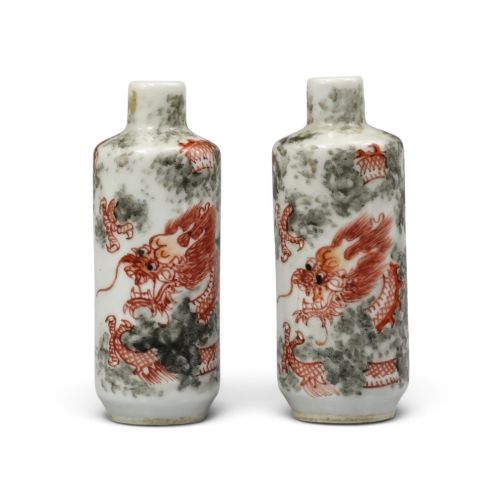
When you search for a hand painted porcelain flask, you encounter a diverse array of small portable vessels, including moon flasks, pilgrim flasks, sake flasks, wine bottles, and snuff bottles. The pieces on this page span several centuries, extending from the seventeenth century through the nineteenth century and into nineteen-thirty.
You will regularly find Asian ceramics, particularly Chinese porcelain snuff bottles and Japanese sake or wine containers, alongside European works from English factories like Flight, Barr & Barr and Royal Worcester, as well as French and Austrian makers.
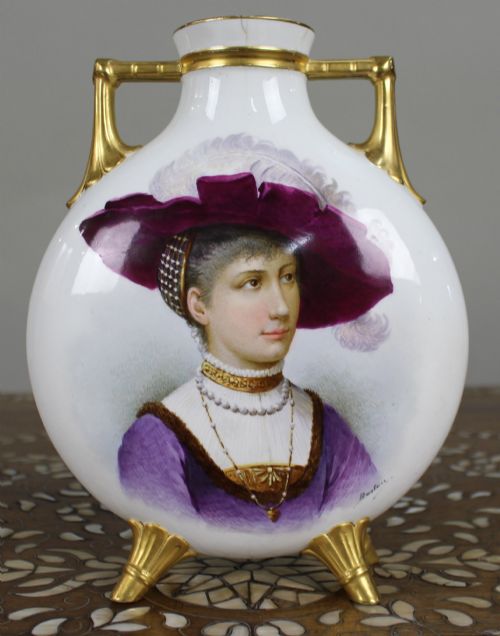
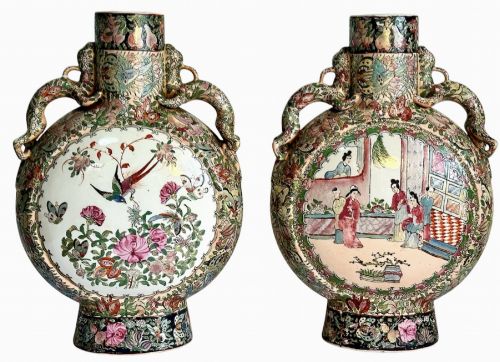
The forms range from flattened moon flasks designed for display or ceremonial use to tiny snuff bottles intended for personal carrying, and larger double-handled vases adopting the pilgrim flask shape.
Judging quality and execution
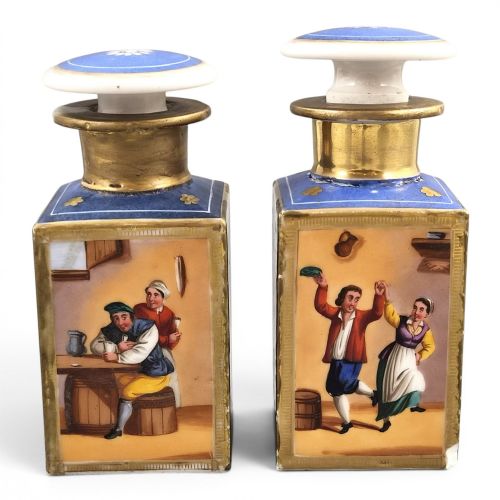
The distinction between ordinary and exceptional pieces rests primarily on the finesse and precision of the hand painting. Works featuring detailed figural scenes, such as those depicting traditional figures, gallant company, or distinct narrative moments, demand a higher level of artistic mastery than simple geometric or repeated floral patterns.
The integration of precious materials like gold leaf and the application of complex enamel palettes, including famille rose or cobalt blue underglazes, further separate standard production items from master-class studio or factory output.
The crispness of the porcelain moulding, the preservation of original gilding without excessive rubbing, and the overall balance of the vessel form contribute significantly to the standing of any individual flask.
The current selection spans seventeenth-century Japanese wine bottles to nineteenth-century European moon flasks and Chinese famille rose snuff bottles.
Flight Barr And Barr·Royal Worcester·Jacob Petit·Coalport
The Hand Painted Porcelain Flask Glossary
- Moon flask
- A flattened circular ceramic vessel with a narrow neck and small loop handles, often supported on a low foot rim. This shape originates in Chinese porcelain traditions and was later adopted by European potteries.
- Famille rose
- A major palette of Chinese ceramic enamels introduced during the Qing dynasty, characterised by opaque pink or rose colours derived from colloidal gold. It allowed for subtle tonal gradations in floral and figural painting.
- Pilgrim flask
- A historic bottle form with two side loops designed for suspension straps or cords, translated in nineteenth-century European ceramics into decorative cabinet vases.
- Snuff bottle
- A small container used to hold powdered tobacco, highly developed in China during the Qing period with intricate interior or exterior painted decoration.
- Gilding
- The application of gold leaf or gold paint to ceramic surfaces for decorative accent, commonly seen highlighting handles, rims, and pictorial borders.
Hand Painted Porcelain Flask: Frequently Asked Questions
What is a moon flask used for?
Moon flasks were originally decorative or ceremonial vessels rather than practical containers for daily drinking. Their distinctive flat faces provided an ideal canvas for detailed enamel painting.
Over time, European and Asian potteries produced these forms primarily for display in cabinets and reception rooms.
How do I date a porcelain flask?
Dating relies heavily on factory marks, stylistic indicators, and the specific palette of enamel colours used by the decorator. Chinese pieces often reference imperial periods or dynasties within their stylistic attributes.
European factories frequently applied registration or pattern numbers, alongside specific backstamps that denote the operating years of the firm.
Are snuff bottles functional?
Historical snuff bottles were made to hold and dispense powdered tobacco for personal use among the elite. Many retain their original stoppers and tiny matching spoons.
Today, collectors appreciate them primarily as miniature works of art rather than for practical tobacco storage.
How should I display porcelain flasks?
Display these pieces in stable cabinets away from direct sunlight to protect delicate enamel colours and gold leaf accents. Because many flasks feature rounded or narrow bases, secure placement prevents tipping.
Proper lighting helps reveal the fine brushwork and translucent qualities of the porcelain body.