


19th Century Coalport Ceramic
These 19th century coalport ceramic pieces offer exquisite porcelain forms and rich gilding that collectors prize for their intricate floral and avian decoration.
19th Century Coalport Ceramic
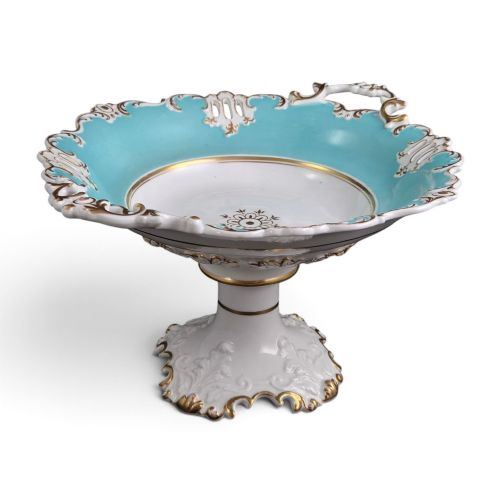
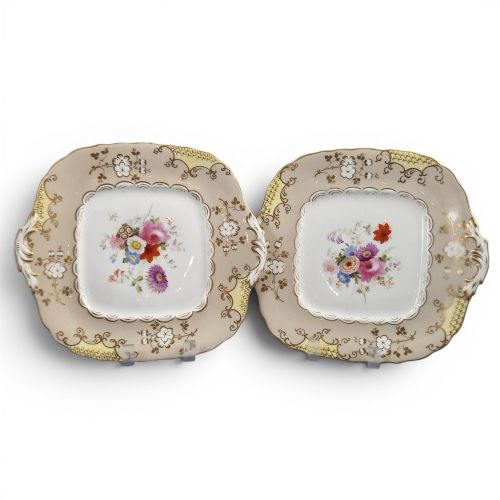
When you search for 19th century coalport ceramic, you are looking at fine English porcelain spanning the Regency, Georgian, and Victorian eras. The selection on this page centres on decorative and functional domestic forms, including tazzas, cabinet cups, vases, and dessert dishes.
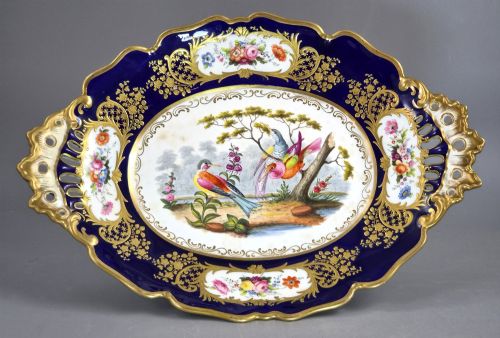
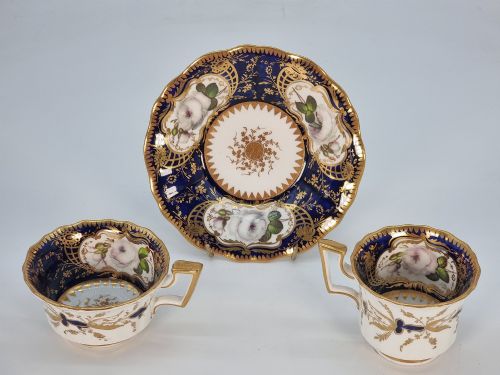
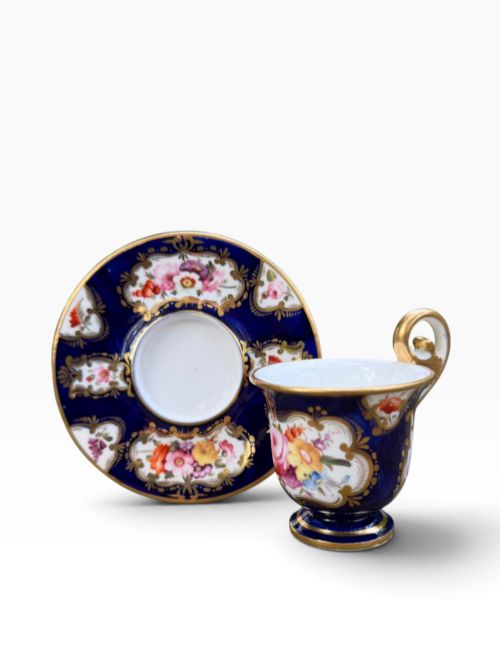
You are most likely to meet pieces decorated with cobalt blue, turquoise grounds, and hand-painted botanical or bird motifs. These items reflect the shifting tastes of the nineteenth century, moving from early Regency refinement to exuberant Victorian revival styles.
How they were made
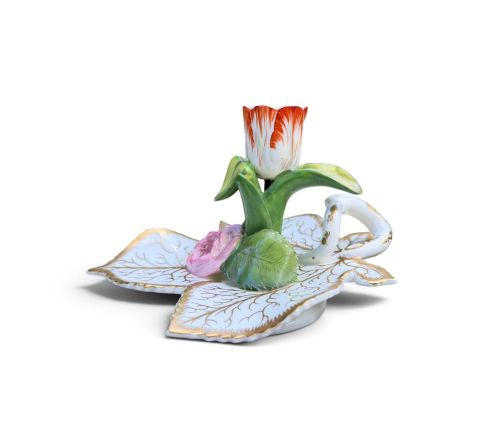
These pieces utilise bone china and fine porcelain bodies, shaped into complex vessels such as campagna urns, pilgrim flasks, and chambersticks. Potters applied smooth lead glazes to provide a glossy, protective surface for subsequent decoration.
Artisans embellished the ceramic bodies using ceramic enamel, gold leaf, and hand-applied gilding. Painting techniques included detailed botanical studies, fancy birds, and romantic landscape scenes executed within shaped cartouches.
Listings feature bone china and porcelain forms from the Regency, Georgian, and Victorian periods, including vases, tazzas, and chambersticks.
What varies in quality
The standard of painting sets the finest pieces apart from standard wares, particularly the precision and delicacy in hand-painted botanical studies and avian scenes. Skilled brushwork and detailed polychrome enamelling indicate superior studio output.
The application of gold leaf and the complexity of moulded forms also dictate the tier of a piece. Elaborate rococo handles, heavily gilt borders, and deep turquoise or cobalt ground colours elevate the status of individual vessels.
Coalport·Coalbrookdale·John Rose
The 19th Century Coalport Ceramic Glossary
- Bone china
- A type of soft-paste porcelain containing bone ash, which yields a strong, slightly translucent body suitable for refined tablewares.
- Tazza
- A shallow ornamental cup or plate raised on a stem and foot, used historically for serving fruit or sweets.
- Campagna urn
- A bell-shaped classical vase form on a pedestal foot, popular throughout the Georgian and Regency periods.
- Cabinet cup
- A decorative teacup produced primarily for display within a glass-fronted cabinet rather than everyday use.
- Cartouche
- An ornamental frame or panel, often gilded, enclosing painted scenes of flowers, birds, or figures.
19th Century Coalport Ceramic: Frequently Asked Questions
How do I identify a John Rose period piece?
John Rose period pieces date from the early nineteenth century and typically exhibit high-quality bone china bodies with refined botanical painting.
Look for fine potting and characteristic handle shapes that match documented patterns from the factory's early manufacturing phase.
Were these ceramics used daily?
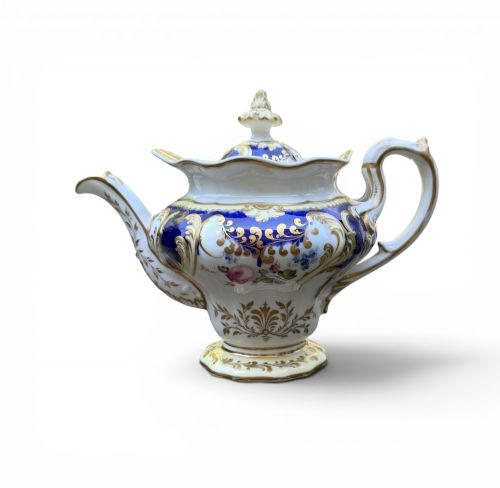
Many items, such as dessert dishes, teacups, and teapots, served functional roles in wealthy households during breakfast or formal evening meals.
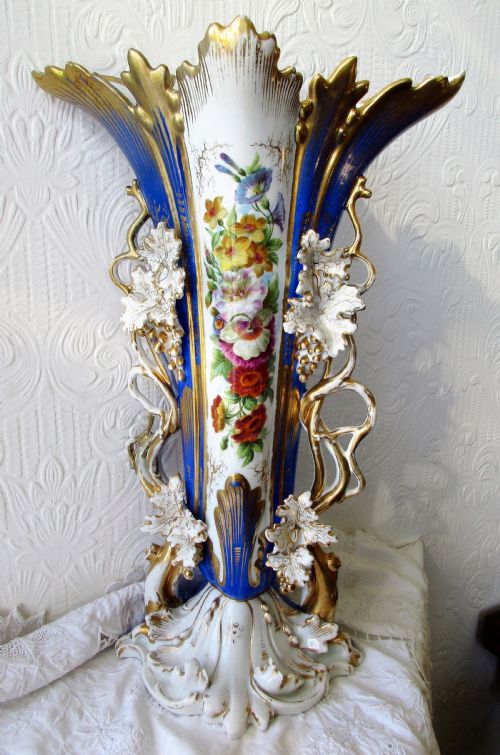
Finer cabinet cups and decorative vases were intended primarily for display rather than practical dining use.
How do I distinguish Regency from Victorian styles?
Regency items generally favour classical restraint, featuring crisp forms, botanical studies, and restrained gilding inspired by antiquity.
Victorian pieces embrace rococo revival aesthetics, displaying heavier scrolling, asymmetrical moulded details, and rich turquoise or cobalt ground colours.
What is a supper set with lazy susan?
A supper set comprises multiple shaped dishes arranged on a rotating wooden or ceramic tray base known as a lazy susan.
This clever design allowed diners to access various preserved meats or sweetmeats easily during formal gatherings.