


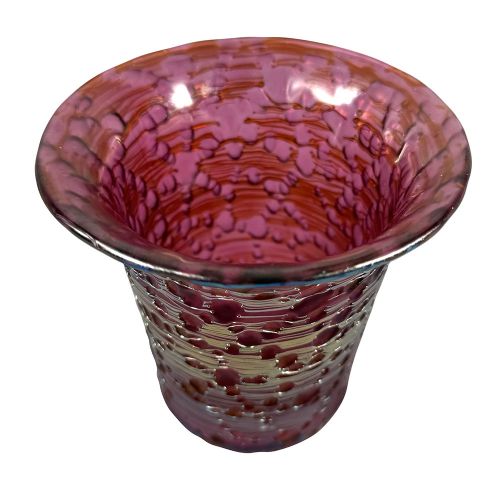


Iridescent Glass Vessel
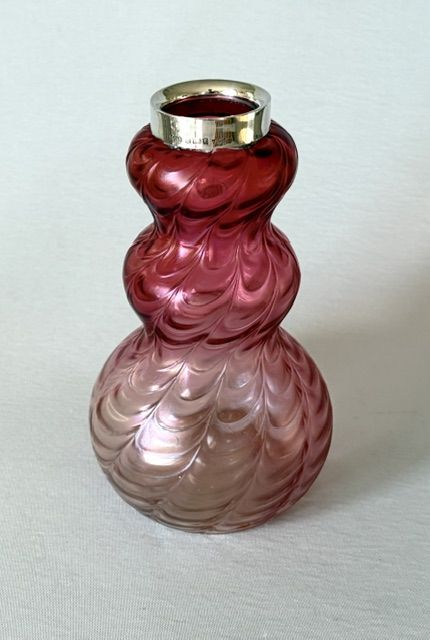
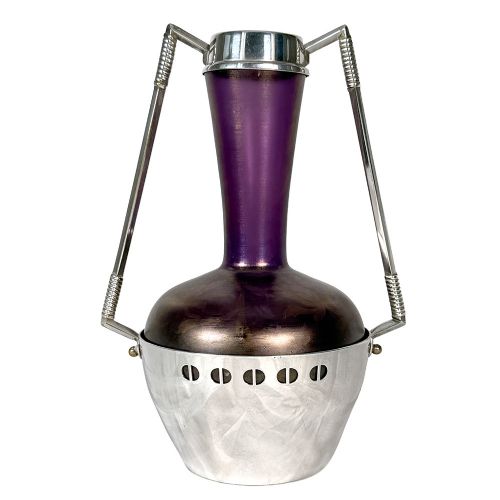
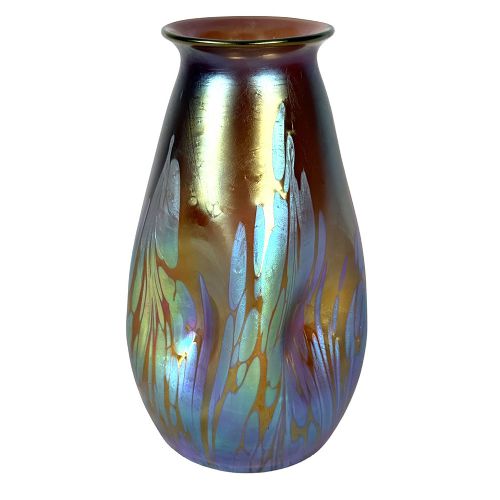
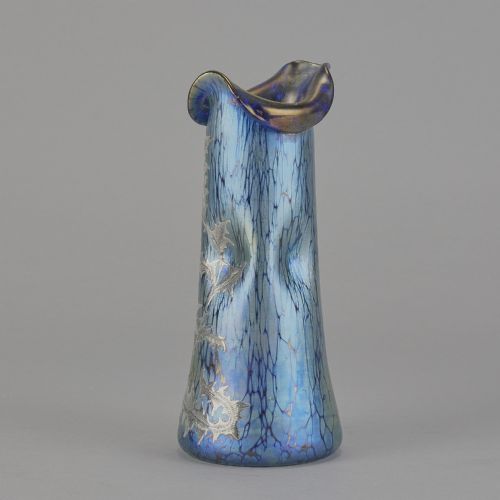
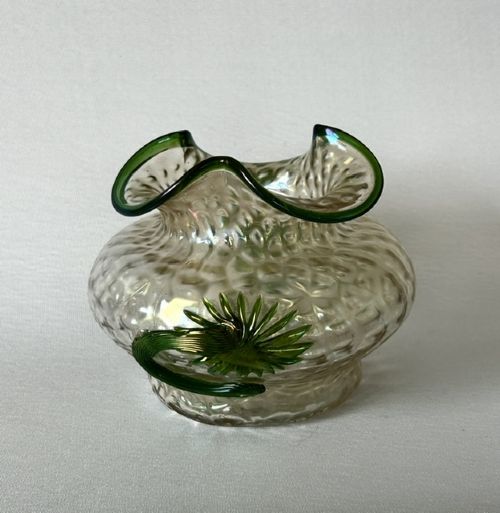
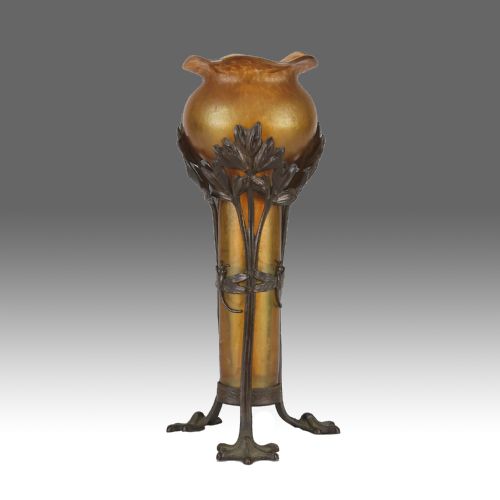
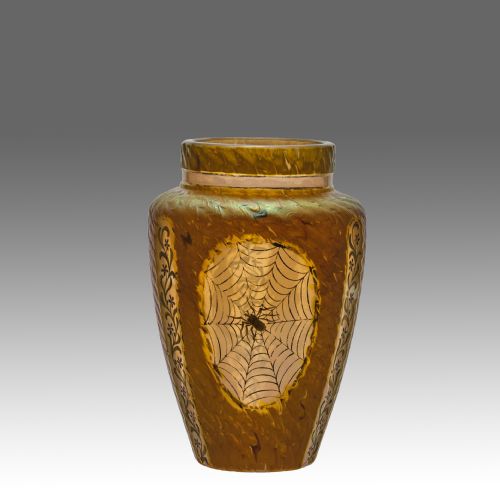
An iridescent glass vessel catches the light with metallic sheens and shifting colours, bringing organic curves and fine mounts into a room.
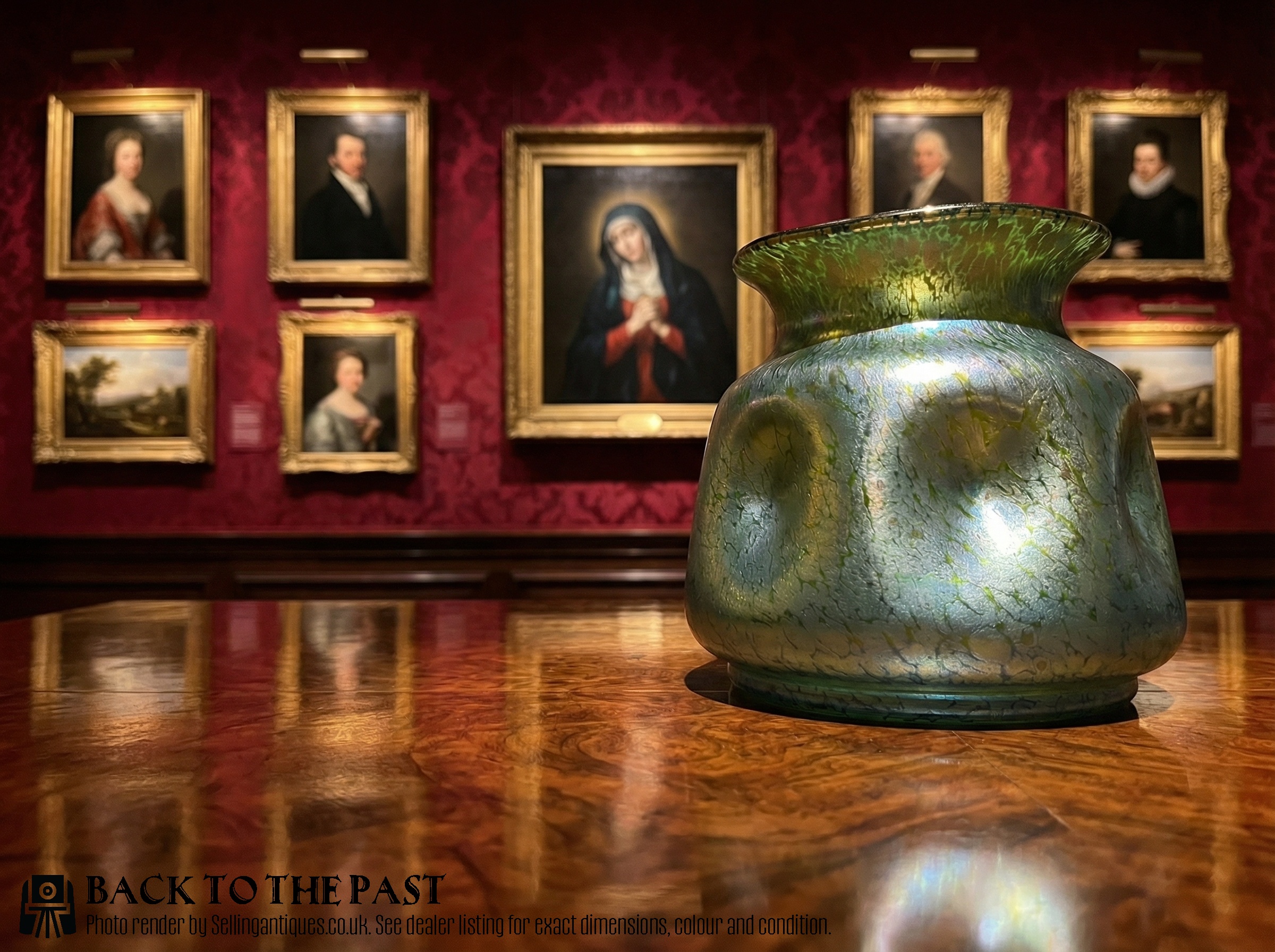
Iridescent Glass Vessel
When you search for an iridescent glass vessel, you encounter blown glass forms that display metallic lustre and shifting optical effects across their surfaces. The examples listed on this page span the 19th Century, Georgian period, 1900, 1910, and 1920, with a strong representation of early twentieth-century works.
The dominant forms are vases, decorative bottles, and decorative bowls created in styles such as Art Nouveau, Vienna Secession, Secessionist, and Victorian. Many pieces originate from notable workshops and incorporate applied details or precious metal mounts.
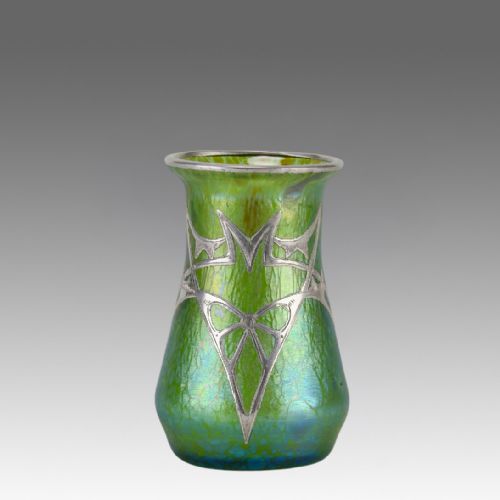
Buyers meet varied treatments including the Papillon décor, Martele surfaces, Orbulin decors, and silver overlay. These vessels range from simple blown glass cylinders to complex mounted showpieces.
How they were made
Makers produced these works using blown glass techniques, applying metallic oxides to the hot surface to achieve the characteristic iridescent sheen. Artisans shaped green glass and coloured grounds while hot, often working organic or lobed contours by hand.
Many workshops added sterling silver overlay, bronze mounts, pewter stands, enamel, or cabochons to the completed glass bodies. These metal additions required precise fitting around fragile blown vessels.
Iridescent Glass Vessel Retail Price Guide 2026
Typical asking prices for iridescent glass vessel among the pieces listed under this phrase on Sellingantiques today, from the lower quarter to the upper quarter. They describe what is for sale here now, not the wider market.
Glassmakers experimented with metallic oxides until their creations caught the light like beetle shells and butterfly wings.
What varies in quality
The quality of an iridescent glass vessel depends on the depth and complexity of the optical sheen across the glass surface. Stronger examples display rich play of colour that reacts dynamically to changing light.
The integration of mounts also determines distinction, distinguishing simple glass bodies from pieces featuring detailed bronze or silver overlay work by established makers. The crispness of applied decors such as Papillon or Martele further separates standard production from finer output.
Loetz Witwey·Johann Loetz·Kralik Glass·Loetz Witwe·Ferdinand von Poschinger·LCT Tiffany
The Iridescent Glass Vessel Glossary
- Iridescent glass
- Glass treated with metallic oxides during or after blowing to produce a shimmering, rainbow-like surface effect. This finish mimics the natural weathering found on ancient excavated glass.
- Favrile glass
- A type of iridescent art glass developed by Louis Comfort Tiffany. The term denotes hand-blown glass with distinctive embedded metallic lustres.
- Silver overlay
- Decorative silver work applied directly to the exterior of a glass vessel. Artisans often pierced or chased the metal to reveal the coloured glass beneath.
- Papillon décor
- A specific spotting technique used on art glass to create an effect resembling butterfly wings. It produces mottled, iridescent highlights across the body.
Iridescent Glass Vessel: Frequently Asked Questions
How do I clean an iridescent glass vessel safely?
Dust these pieces gently with a soft, dry cloth to protect the delicate metallic lustre on the surface. Avoid using chemical cleaners or soaking mounted pieces in water.
Moisture can harm metal mounts or degrade older adhesives used to secure silver overlay. Keep the vessels in stable indoor environments away from direct sunlight.
What periods do these glass vessels come from?
The listings span the Georgian period, the nineteenth century, and the early twentieth century, specifically around 1900, 1910, and 1920. Most examples date from the height of the Art Nouveau and Secessionist movements.
Earlier items include Georgian wine bottles, while the decorative art glass forms largely reflect turn-of-the-century European workshops.
How can I tell Art Nouveau from Secessionist pieces?
Art Nouveau vessels tend to feature flowing, organic lines inspired by nature, including snake motifs, lobed bodies, and iridescent decors like Papillon. Secessionist works often display more geometric or restrained structural qualities.
Both styles frequently utilise metallic mounts and similar blown glass techniques, though the overall silhouette reveals the distinct design ethos of the workshop.
Are all these vessels signed by the maker?
Not every piece carries an etched or applied maker signature, as many workshop productions relied on paper labels that have since worn away. Unsigned pieces are often attributed through known decors, forms, and mount styles.
Examining the glass weight, pontil mark, and metalwork quality helps contextualise unsigned examples alongside documented works.