


Antique Iridescent Glassware
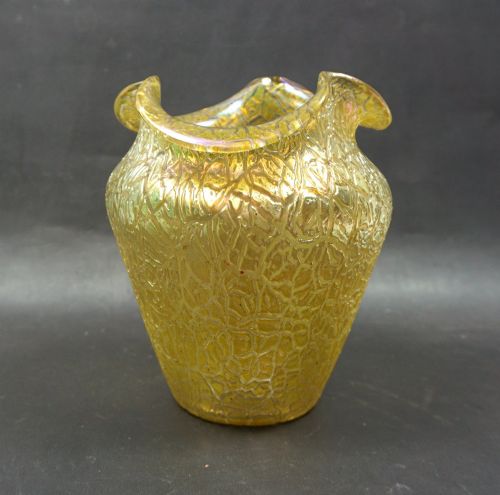
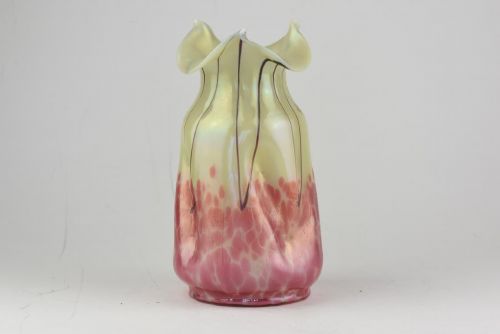
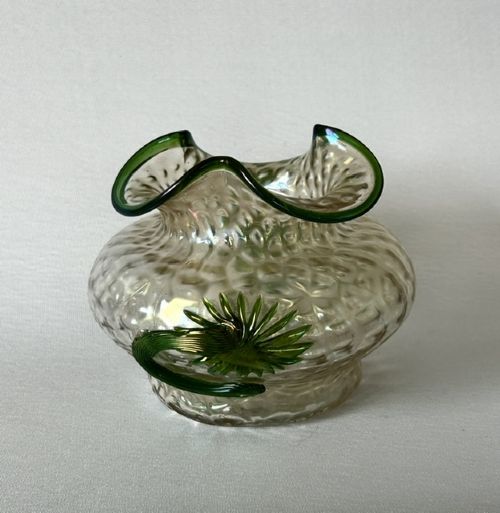
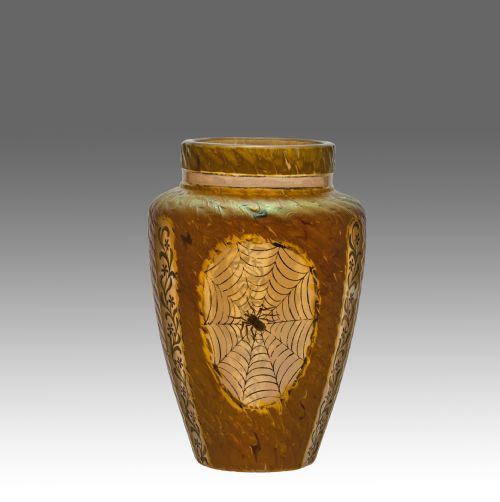
These pieces of antique iridescent glassware bring a shimmering play of colour to a room, catching the light with metallic sheens and organic forms.
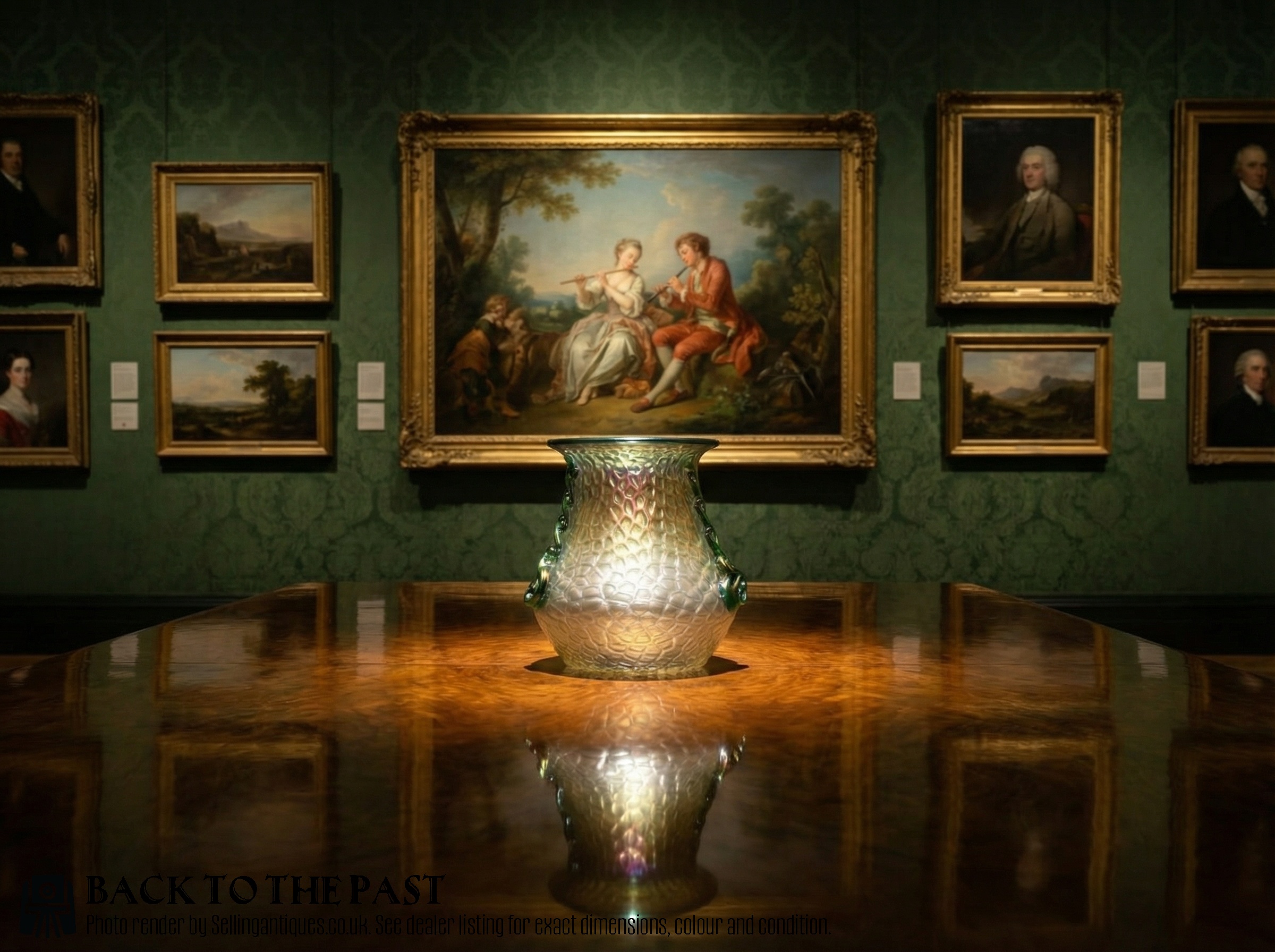
How they were made
Makers utilised blown glass and hand-blown glass techniques to shape fluid, organic forms inspired by nature. Molten material was manipulated while hot to create the undulating edges seen on Jack in the Pulpit vases and spider web designs.
The distinctive shimmering effect was achieved through chemical treatments applied to the hot glass surface during production. Artisans also incorporated enamel decoration and mounted vessels in pewter stands for added structural contrast.
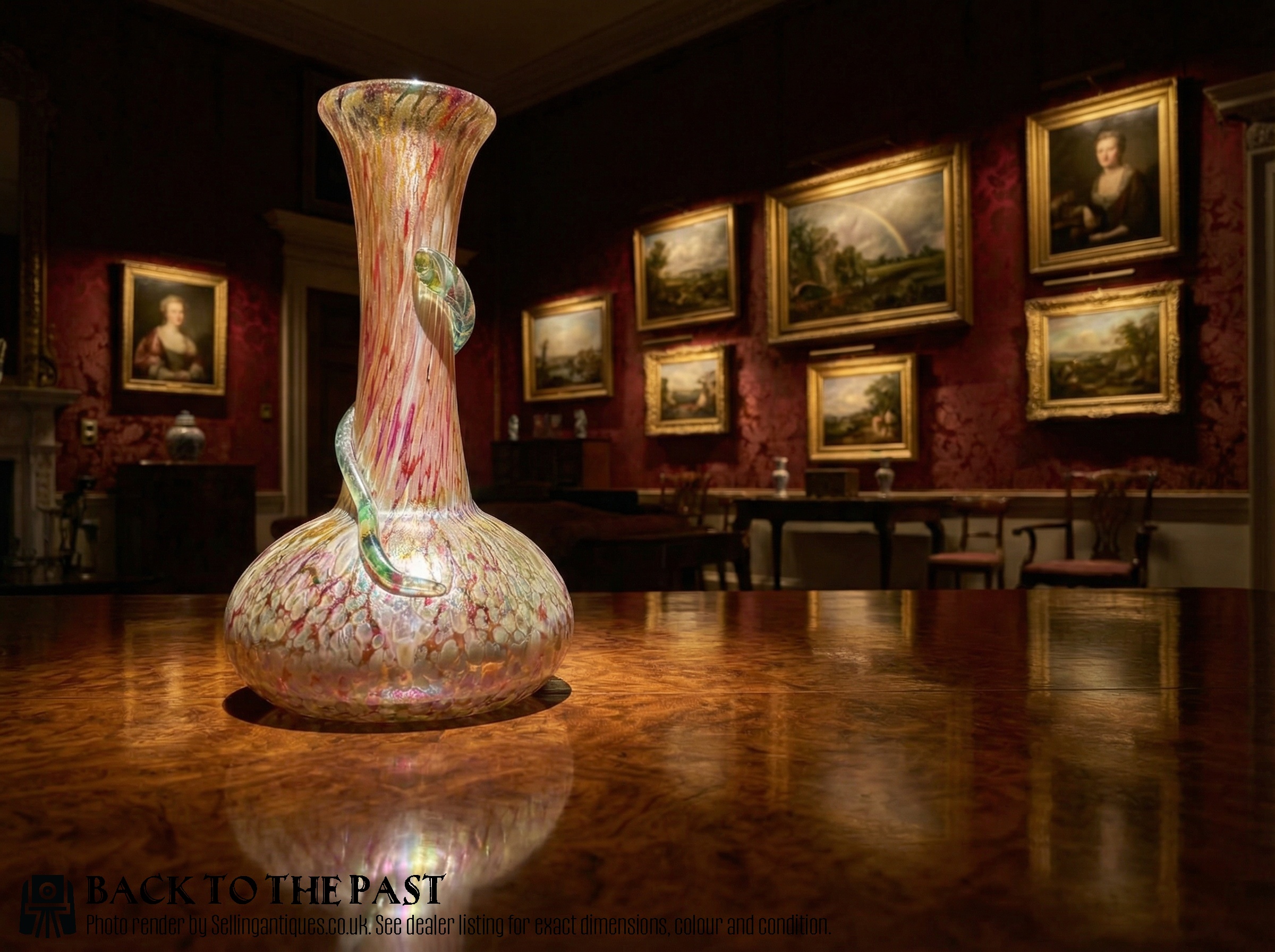
What varies in quality
Quality rests upon the depth and control of the optical sheen across the glass surface. Superior examples display a rich, multifaceted play of light that moves naturally across the contours of the vessel.
The refinement of the vessel's silhouette and the precision of applied elements, such as pewter mounts or enamel detailing, distinguish finer pieces. Maker attribution also plays a role, with documented works by established glassworks commanding greater attention.
Loetz·Pallme Konig·Kralik Glass·LC Tiffany·Richardson s
The Antique Iridescent Glassware Glossary
- Papillon décor
- A specific mottled, iridescent surface treatment associated with Bohemian glassmakers like Loetz. It creates a speckled effect reminiscent of butterfly wings.
- Floriform
- A vase shape designed to mimic the open petals of a flower. This organic form is characteristic of Art Nouveau glass design.
- Art Nouveau
- An international style of art and architecture that peaked in popularity around nineteen hundred. It is defined by sinuous lines and motifs inspired by natural forms.
Antique Iridescent Glassware: Frequently Asked Questions
How do I clean antique iridescent glass?
Dust these delicate surfaces gently with a dry, soft cloth to preserve the fragile metallic sheen on the glass.
Avoid using water, chemical cleaners, or abrasive cloths, which can permanently damage the historic iridescent treatment.
Where was most iridescent glass made?
The majority of pieces originate from Bohemian and Austrian glassworks operating during the late nineteenth and early twentieth centuries.
Key regional centres produced experimental art glass that defined the aesthetic of the period.
What is Favrile glass?
Favrile glass is a special type of iridescent art glass pioneered in America by Louis Comfort Tiffany.
The colours are embedded within the material itself during blowing rather than sprayed onto the surface afterwards.
How can I date my vase?
Dating relies on stylistic markers such as Art Nouveau curves, specific factory décors, and documented maker signatures.
Most surviving examples date from the Victorian era up to the early twentieth century.