




Jugendstil Glass Vessel
Jugendstil glass vessels are organic, fluid creations shaped by early twentieth-century design, offering collectors striking iridescent surfaces and metallic mounts.
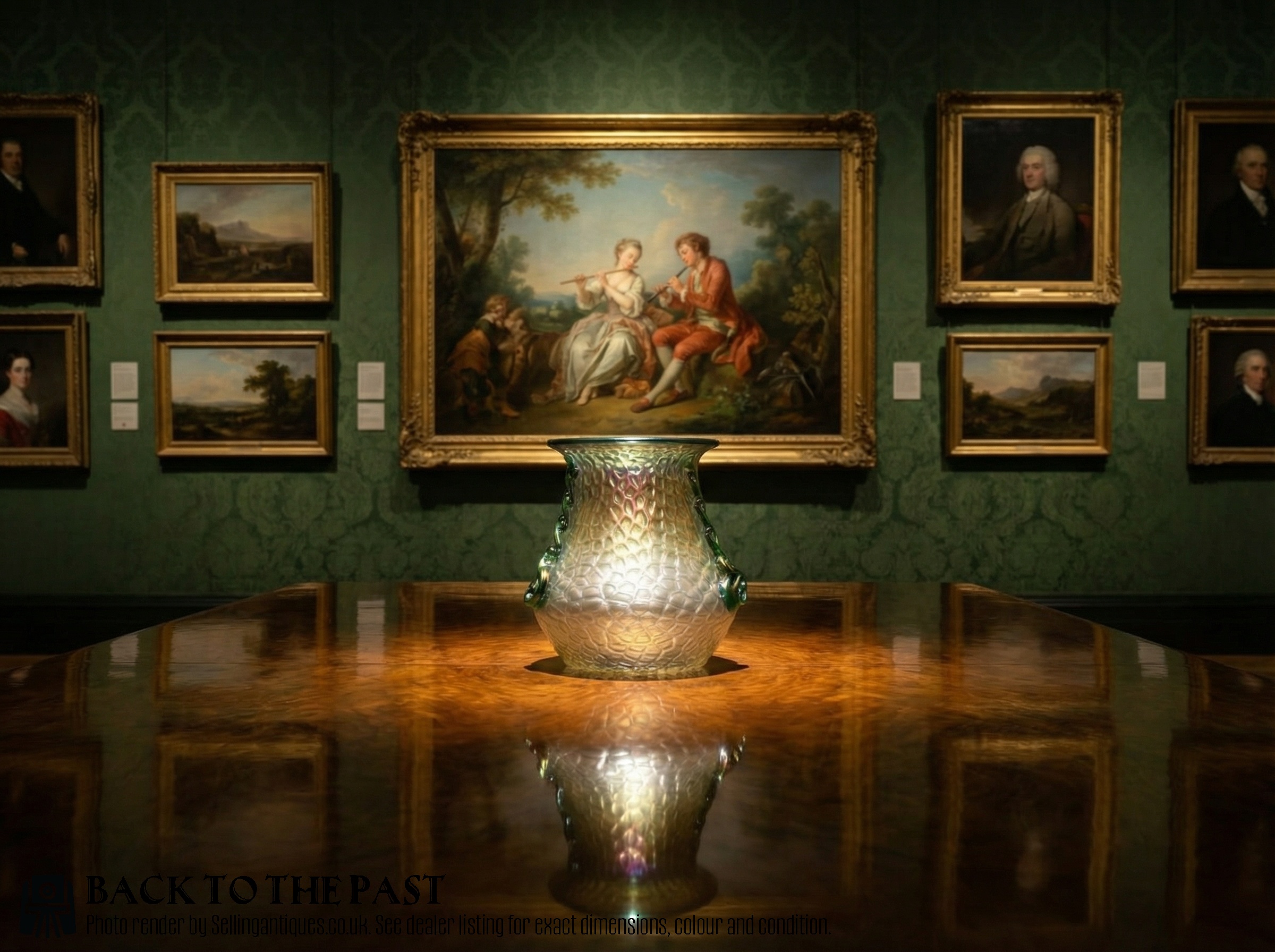
Jugendstil Glass Vessel
A jugendstil glass vessel represents the continental European manifestation of the Art Nouveau movement, focusing on natural forms, flowing lines, and innovative surface treatments. Collectors browsing these listings encounter vases and decorative bowls predominantly originating around nineteen hundred, alongside occasional pieces from the nineteen twenties and Victorian periods.
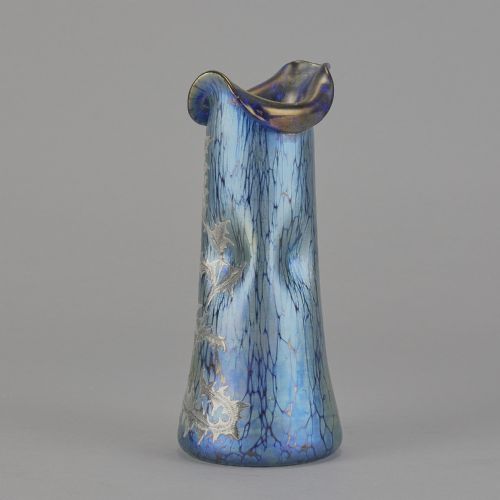
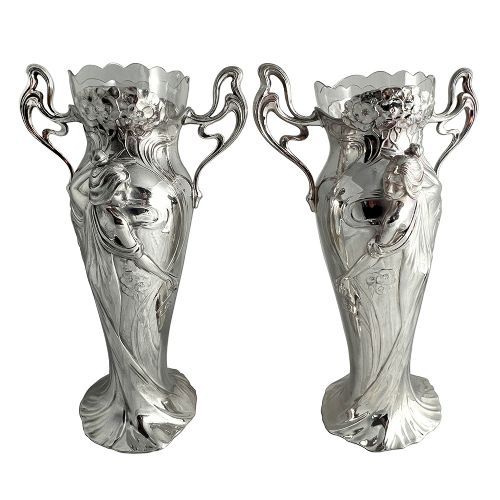
The most common examples on this page are iridescent glass vases, frequently enhanced with metallic elements such as pewter overlays, silver mounts, or bronze stands. These works merge fluid glassblowing techniques with intricate metalwork, reflecting the aesthetic priorities of major Austrian and Bohemian makers.
Materials and construction
Makers produced these pieces using hand-blown glass, often incorporating chemical treatments to achieve distinctive iridescent finishes like the papillon or vesuvian effects. Artisans manipulated the molten material while hot to create organic, asymmetrical shapes that mimic natural growths.
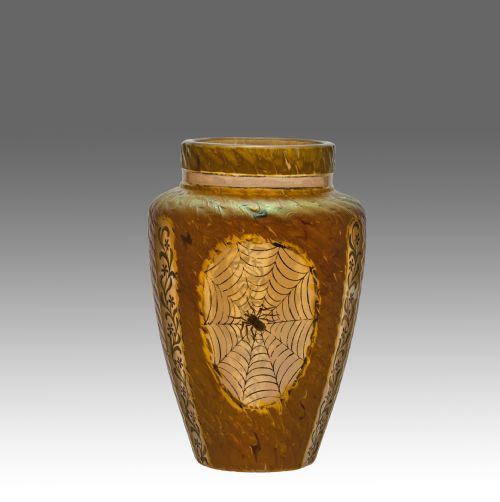
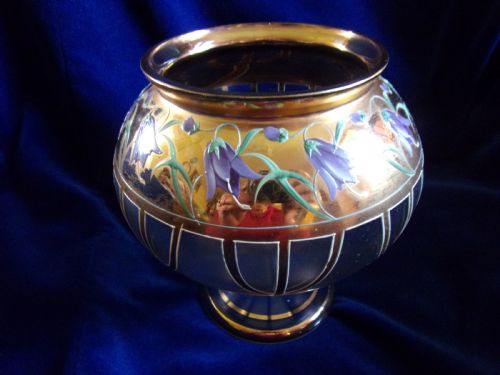
Metal embellishments form a crucial part of the construction, utilising pewter, silvered pewter, and sterling silver to create mounts, overlays, and figural stands. Workshops integrated enamel and gold leaf directly onto the glass surfaces to add further visual depth and colour variation.
Listings feature works from nineteen hundred, nineteen twenty, and the Victorian period, utilising materials such as iridescent glass, pewter, and gold leaf.
Assessing quality and execution
Quality in these vessels rests upon the complexity of the glass surface treatment and the harmony between the glass body and its metal mount. Superior pieces display deep, multifaceted iridescence that catches light dynamically, coupled with finely cast pewter or silver overlays that fit the contours of the vessel precisely.
The sophistication of the silhouette also determines distinction, moving from standard organic forms to elaborate figural designs involving maidens or complex aquatic motifs. Furthermore, the presence of distinct factory attribution and integrated metalwork by recognised workshops elevates the standing of an individual piece.
Loetz Witwey·Kralik Glass·WMF·Ferdinand von Poschinger
The Jugendstil Glass Vessel Glossary
- Iridescent glass
- Glass treated with metallic vapours while hot to produce a shimmering, rainbow-like surface effect. This technique was central to the aesthetic of turn-of-the-century art glass production.
- Jugendstil
- The German and Central European variant of Art Nouveau, named after the Munich art magazine Die Jugend. It emphasises stylized natural motifs and sinuous, flowing contours.
- Pewter overlay
- A decorative metal casing applied to the exterior of a glass vessel, often cast in floral or abstract organic patterns. It provides structural contrast to the smooth glass beneath.
- Papillon
- A specific type of iridescent glass decoration featuring mottled, spotty patterns resembling butterfly wings. Loetz famously utilised this technique on many of its iconic vases.
Jugendstil Glass Vessel: Frequently Asked Questions
What is a jugendstil glass vessel?
A jugendstil glass vessel is an ornamental vase or bowl created during the height of the Art Nouveau movement around nineteen hundred. These pieces are defined by their organic shapes and iridescent surfaces.
Many examples feature added metal elements, such as pewter overlays or silver mounts, combining glassblowing with metalwork artistry.
How do I identify a Loetz vase?
Loetz vases are typically recognised by their distinctive iridescent glass treatments, such as the papillon or vesuvian patterns. They often exhibit fluid, organic forms typical of Austrian art glass.
Some pieces also incorporate metal stands or mounts produced by collaborative firms, adding to their distinct appearance.
What periods do these pieces date from?
The pieces listed here primarily date from around nineteen hundred, reflecting the peak of the Art Nouveau and Jugendstil movements in Austria and Bohemia.
Occasional items from the nineteen twenties and the Victorian era also appear, showing the continuation of organic glass designs.
How should I display a glass vessel with metal overlay?
Display these vessels in spaces with stable lighting to highlight the play of light across the iridescent glass surface and the details of the metalwork. Placing them away from direct, harsh sunlight helps protect the delicate finishes.
Ensure they rest on secure, level surfaces where the combined weight of the glass and metal is evenly supported.