




Bohemian Iridescent Vase
A bohemian iridescent vase brings fluid metallic sheen and organic form to a room, capturing the experimental spirit of early twentieth-century glassmaking.
Bohemian Iridescent Vase
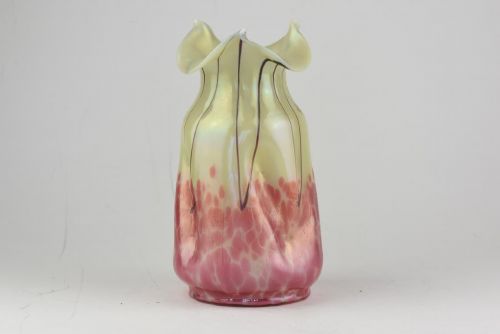
A bohemian iridescent vase represents the pinnacle of glass artistry from the late nineteenth century and the early twentieth century. When you search for a bohemian iridescent vase, you encounter sculptural vessels shaped by renowned Bohemian glassworks during the height of the Art Nouveau and Secessionist movements.
The pieces on this page span the 1900s through the 1920s, showcasing distinct regional forms and experimental finishes. Most examples trace their origins to major Austrian and Bohemian makers working with blown glass.
Collectors find everything from organic, flowing shapes inspired by nature to geometric Secessionist profiles. Each bohemian iridescent vase carries a shimmering optical effect that changes under shifting light.
How they were made
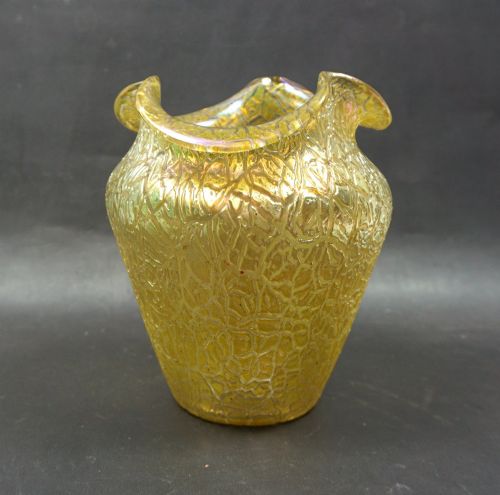
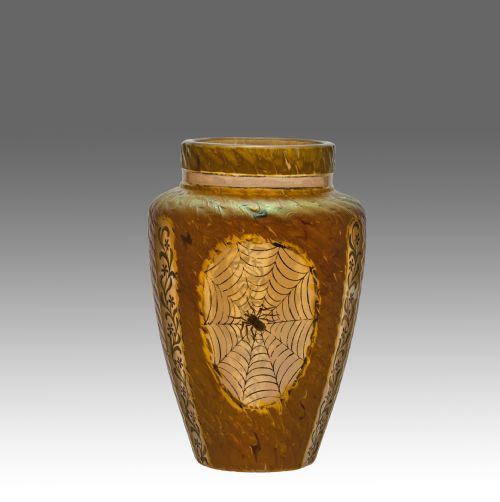
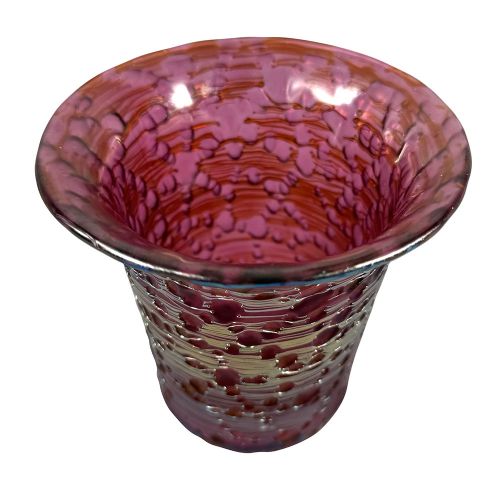
Maker workshops utilised hand-blown glass treated with metallic chemical vapours while hot to create the signature iridescent sheen. Workers manipulated the molten material to produce distinct surface patterns such as the papillon, mimosa, and phänomen décors.
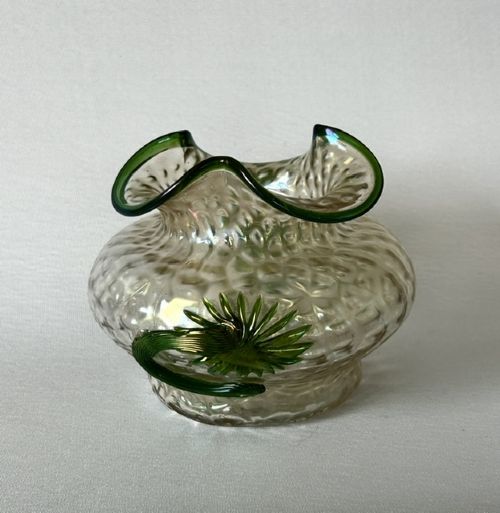
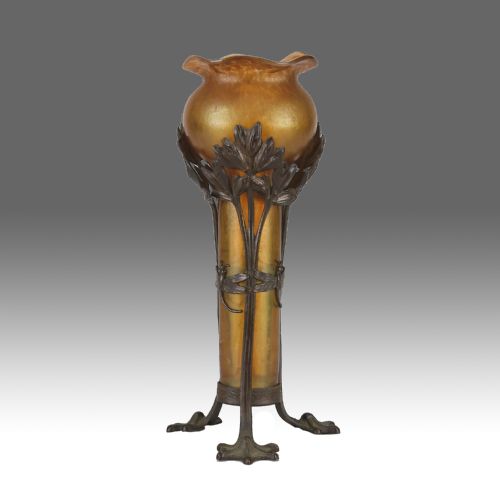
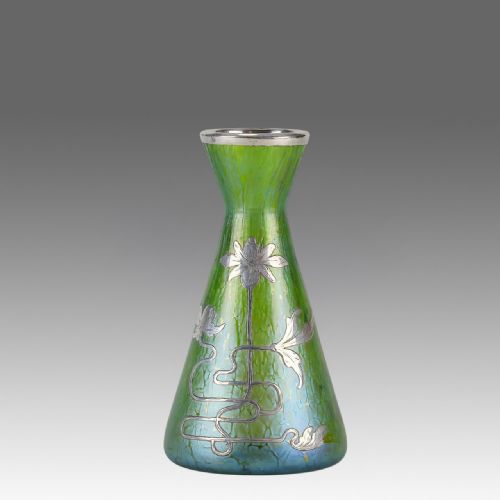
Many vessels incorporate applied elements like trailing glass threads, organic snake motifs, or jack-in-the-pulpit rims. Artisans frequently mounted completed glass bodies in sterling silver, pewter stands, or bronze mounts to elevate the final design.
Materials appearing on this page include sterling silver, bronze mounts, pewter stands, and various shades of iridescent green glass.
What varies in quality
The strength and depth of the optical iridescence dictate visual success, ranging from a dull oily sheen to a deep, multi-coloured metallic fire. Complexity of the décor, such as feathered phänomen lines or detailed papillon speckling, separates standard production from exceptional artistry.
The presence and integrity of original metal mounts, whether silver overlay or bronze stands, add considerable architectural weight and balance to the glass body. Mastery of organic form in the blown silhouette reveals the technical skill of the individual glasshouse.
Loetz Witwe·Kralik Glass·Pallme Konig·Johann Loetz
The Bohemian Iridescent Vase Glossary
- Papillon
- An iridescent glass décor featuring speckled patches that mimic the shimmering wing scales of a butterfly. This technique creates a mottled, light-catching surface across the body of the vessel.
- Phänomen
- A complex Loetz glass surface technique involving combed threads of glass applied to the hot vessel and pulled into wave or feather patterns. It represents some of the most technically demanding work of the period.
- Secessionist
- A stylistic movement rejecting historicism in favour of cleaner geometric lines and stylised floral motifs. It heavily influenced Austrian design around nineteen hundred.
- Silver Overlay
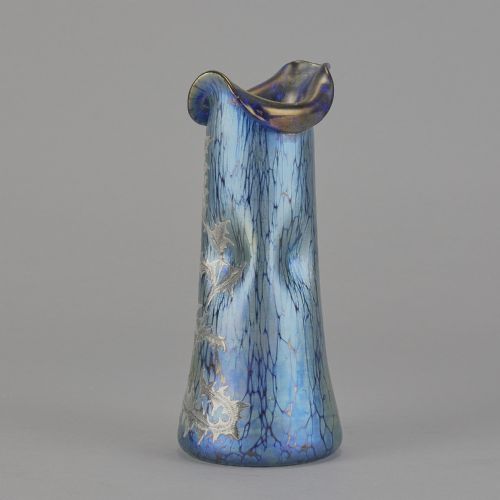
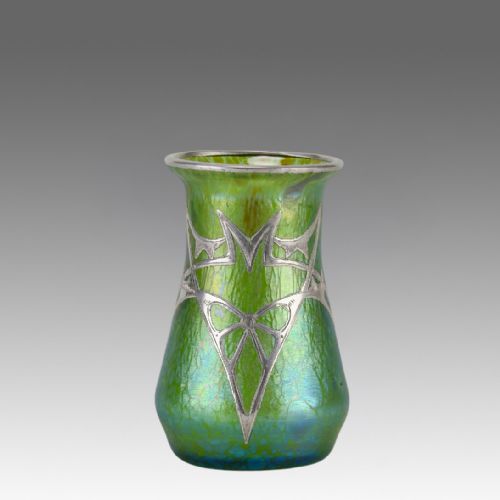
- Decorative sterling silver work applied directly onto the exterior of a glass vase, often in flowing Art Nouveau plant motifs. The metal grips the contours of the blown vessel.
- Art Nouveau
- An international art style characterised by fluid, asymmetrical lines inspired by natural plant and animal forms. It dominates the aesthetic of turn-of-the-century Bohemian glass.
Bohemian Iridescent Vase: Frequently Asked Questions
How do I identify a Loetz vase?
Look for distinctive surface décors like papillon or phänomen combined with organic, pinched or undulating glass forms characteristic of Austrian production.
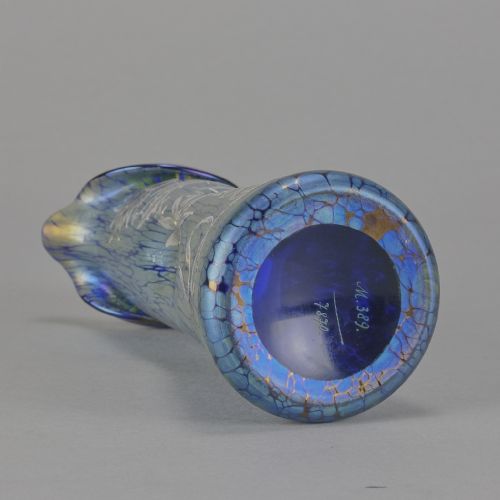
Examine the base for polished pontil marks and occasional factory signatures or metal mounter stamps that verify the origin.
What is silver overlay glass?
Silver overlay involves depositing liquid silver directly onto the finished glass vessel, which then bonds permanently as solid metal decoration.
This technique allows intricate botanical patterns to wrap around the iridescent body, creating a striking contrast between metal and glass.
Where were these vases made?
These pieces originate primarily from the Bohemia region, encompassing glassworks situated in what is now the Czech Republic and Austria.
Master craftsmen in towns like Klostermühle operated famous workshops that exported these experimental art glass forms across Europe.
How should I display iridescent glass?
Place your vase where natural daylight can strike the surface from multiple angles to activate the chemical metallic sheen fully.
Keep pieces away from direct, harsh sunlight for extended hours, and use stable shelving that protects delicate applied glass threads or metal mounts.