




Bohemian Iridescent Glass
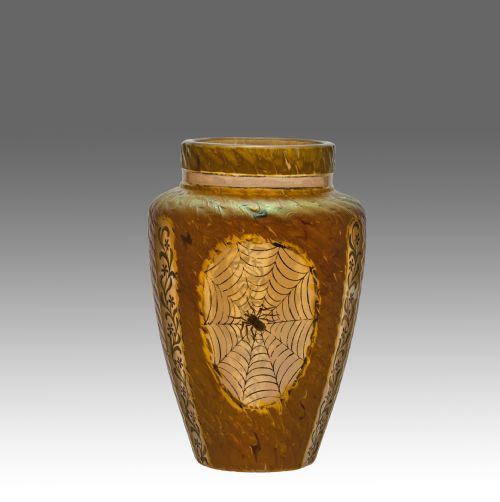
These pieces of bohemian iridescent glass capture light with a mercurial sheen that defined the most inventive domestic interiors of the early twentieth century.
Bohemian Iridescent Glass
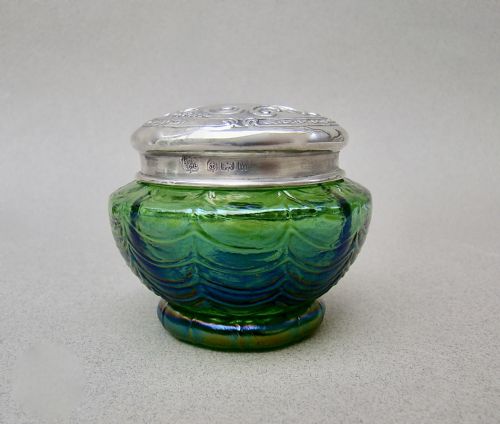
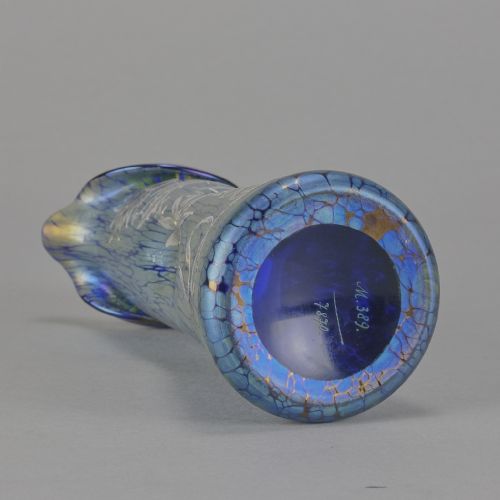
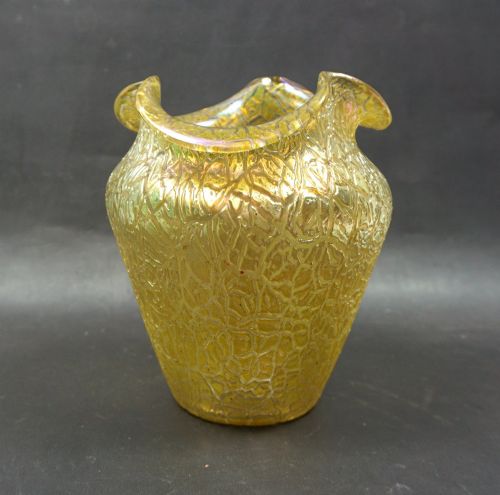
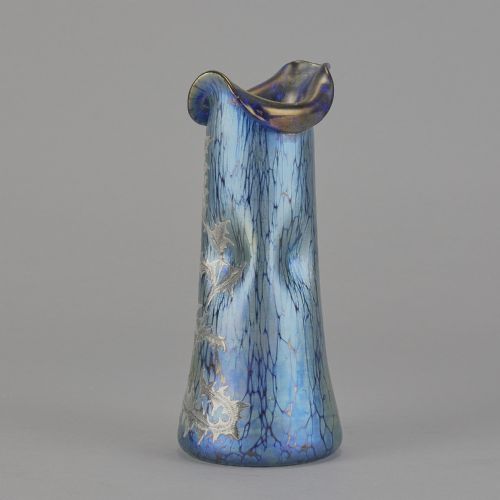
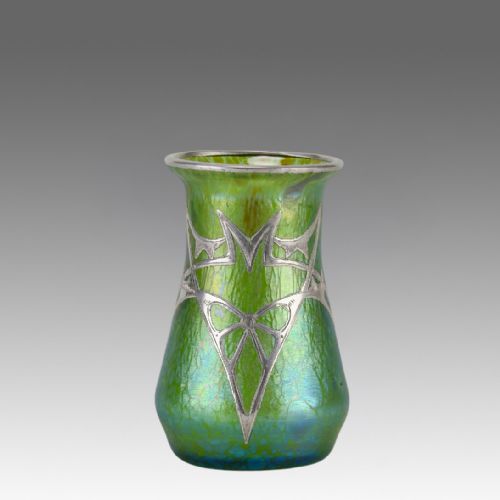
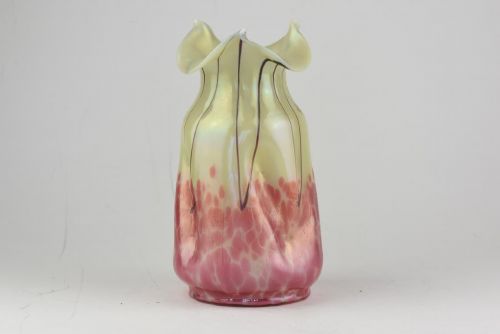
When you search for bohemian iridescent glass, you encounter an array of vessels that trace the shifting aesthetics of the late nineteenth and early twentieth centuries. The examples here span periods from the Victorian era through the 1920s, predominantly showcasing the fluid contours typical of Art Nouveau and Vienna Secessionist design. Vases represent the core of these gatherings, alongside decorative bowls, inkwells, and mounted trinket boxes.
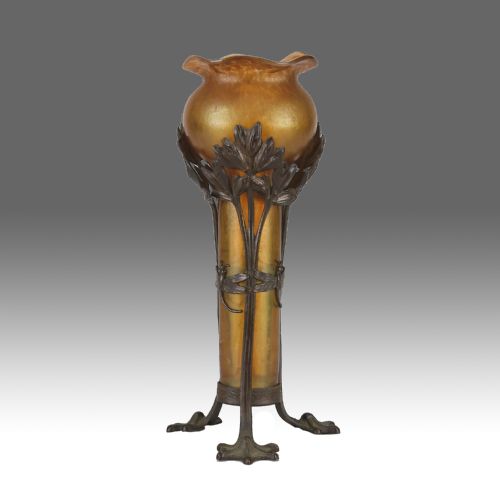
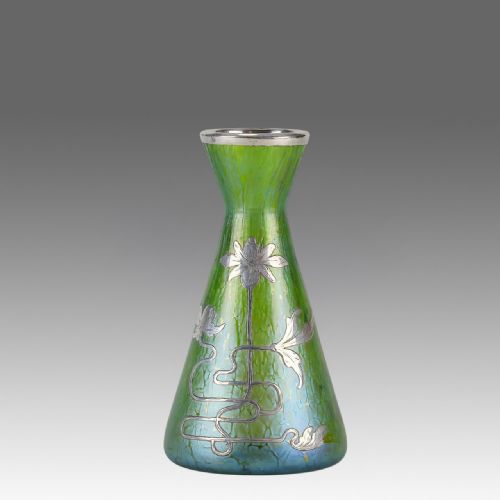
The most common forms you will meet on this page are blown glass vases finished with shimmering surface treatments that mimic natural phenomena. These range from organic, undulating shapes to pieces enhanced with metal mounts in sterling silver, brass, or pewter. Whether attributed to established names or identified simply by their distinctive décors, these objects reflect a period of intense experimentation in Bohemian glassworks.
Distinctions in quality
The distinction between ordinary and exceptional bohemian iridescent glass rests upon the complexity of the optic effect and the harmony of any added mounts. Pieces featuring complex surface treatments, such as dense silvering or multi-layered décors, demonstrate a higher tier of artistry from the workshop. The depth of the iridescence and the precision with which the glass captures light determine the visual impact of each vessel.
Furthermore, the quality of auxiliary materials dictates the standing of a piece within the range. The presence of hallmarked sterling silver lids, intricate pewter stands, or bespoke bronze mounts signifies a higher grade of production. When glassworks collaborated with notable metal workshops or retailers, the resulting union of materials yielded pieces of superior substance and presence.
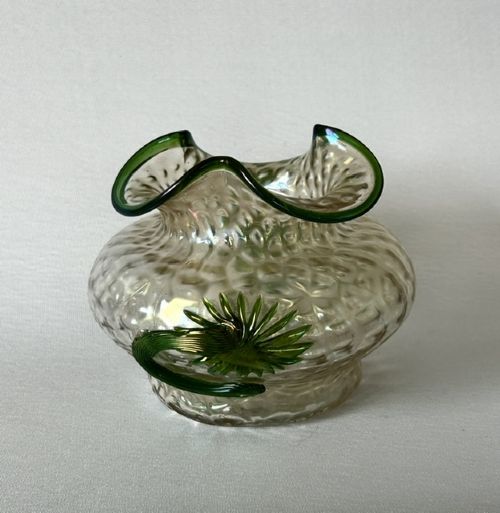
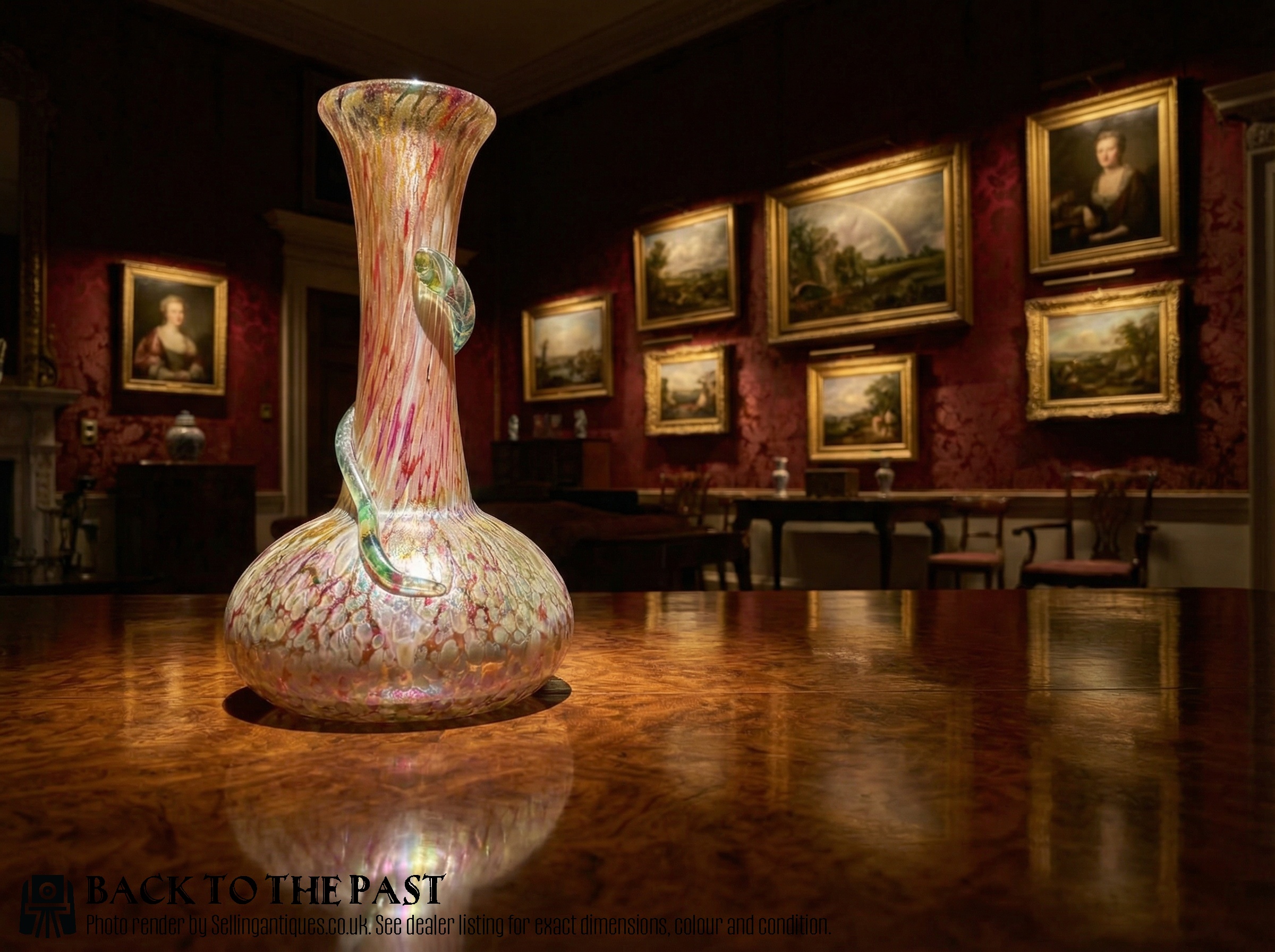
One enterprising glassblower decided a simple vase was simply not lively enough and permanently attached a slithering glass snake to the side.
Loetz Witwe·Kralik Glass·Pallme Konig·A. J. Pepper & Co·J Reinemann
The Bohemian Iridescent Glass Glossary
- Iridescent glass
- Glass treated with metallic salts to produce a rainbow-like sheen on the surface. This technique was central to the aesthetic of the Art Nouveau period.
- Papillon
- A specific surface décor featuring shimmering, mottled spots that resemble butterfly wings. It is most famously associated with the Loetz factory.
- Phänomen
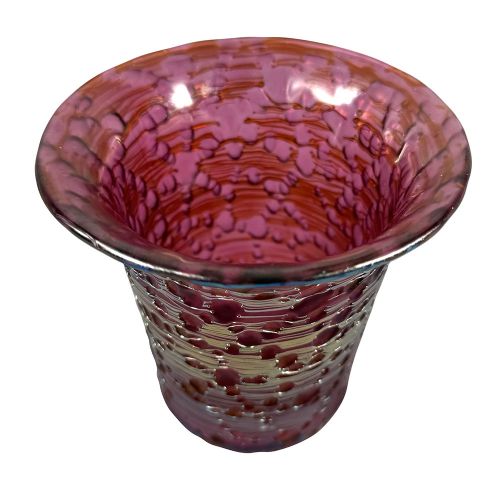
- A complex Loetz décor characterised by combed, iridescent thread patterns trailing across the blown glass body. These threads were applied while hot and pulled into undulating waves.
- Secessionist
- A style associated with the Vienna Secession movement, favouring geometric clarity and stylised forms over floral excess. It heavily influenced Bohemian decorative arts around nineteen hundred.
- Silver overlay
- A technique where molten silver or metal deposit is applied to the glass surface in decorative patterns. This creates a striking contrast between the metallic design and the iridescent background.
Bohemian Iridescent Glass: Frequently Asked Questions
What is bohemian iridescent glass?
It refers to decorative glass objects produced in Bohemia during the late nineteenth and early twentieth centuries, treated to display a shimmering, rainbow-like metallic surface.
These pieces typically embrace Art Nouveau or Secessionist styles, encompassing vases, bowls, and inkwells created by renowned factories and regional workshops.
How do I identify a Loetz piece?
Loetz items are generally recognised by their distinctive organic forms and specialised surface treatments like the Papillon or Phänomen décors. Many pieces also exhibit exceptional weight and polished pontil marks on the base.
While some bear factory marks, many are identified purely through their characteristic glass formulations, colour palettes, and decorative motifs documented from the period.
How should I display iridescent glass?
Display these items in positions where natural light can strike the surface directly, as illumination activates the shifting metallic sheen and underlying colours. Placing them near a window or within a well-lit cabinet maximises their visual depth.
Ensure they rest on stable surfaces away from heavy foot traffic, particularly pieces with delicate applied glass details or attached metal stands.