



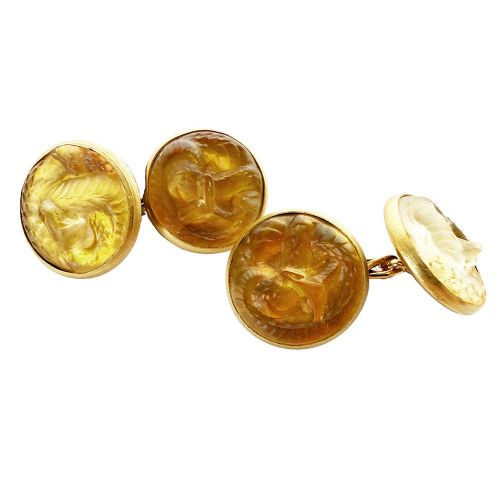
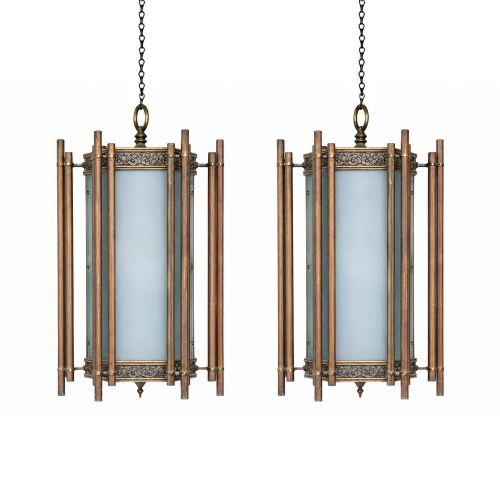
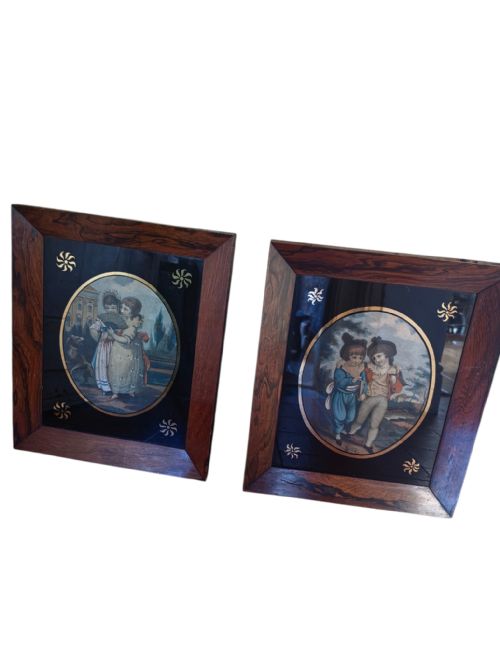
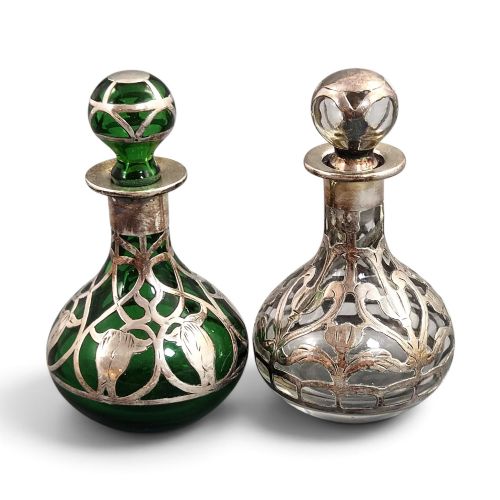
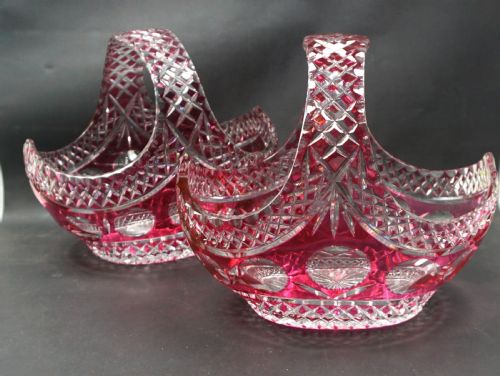

Vintage Art Glass Pair
These vintage art glass pair selections unite balanced forms and period craftsmanship, offering symmetry and visual weight to any interior.
Vintage Art Glass Pair
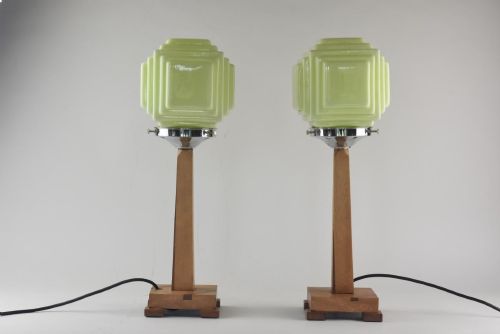
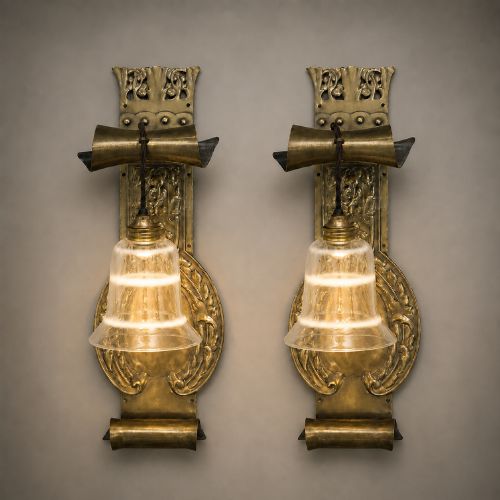
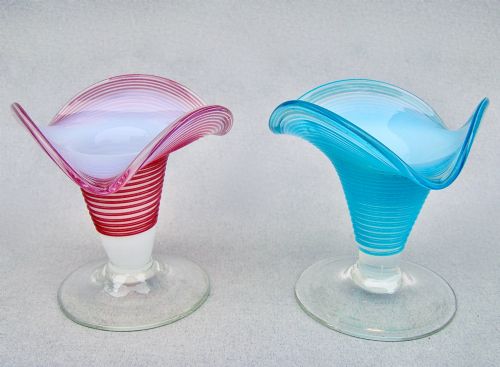
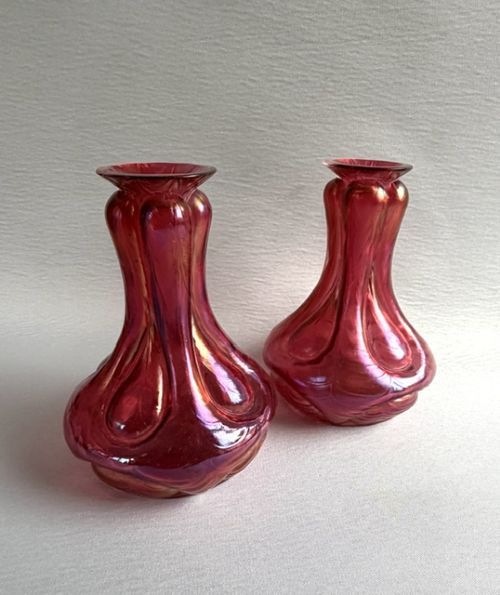
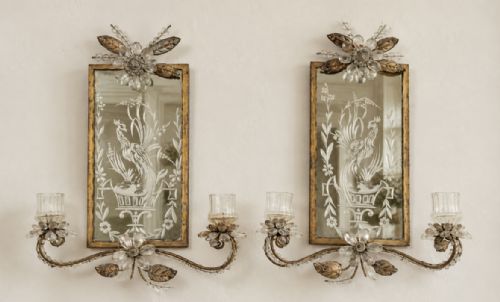
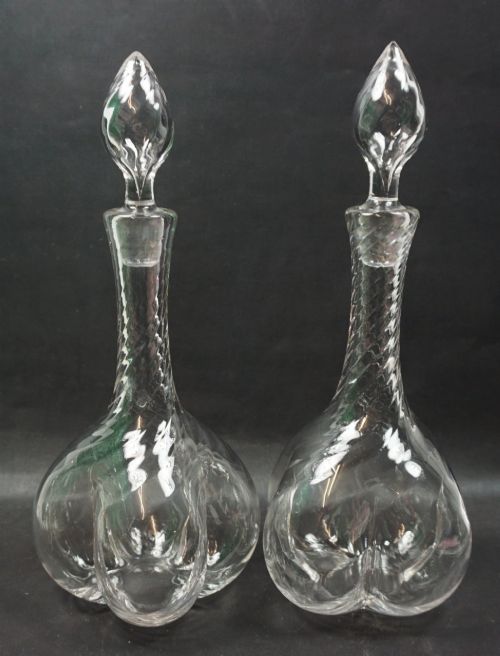
A vintage art glass pair brings matching design and decorative symmetry into a space, typically taking the form of vases, wall lights, decanters, or perfume bottles. When searching for a vintage art glass pair, buyers encounter works spanning the Art Nouveau, Art Deco, and Arts and Crafts movements from the late nineteenth century through the interwar decades.
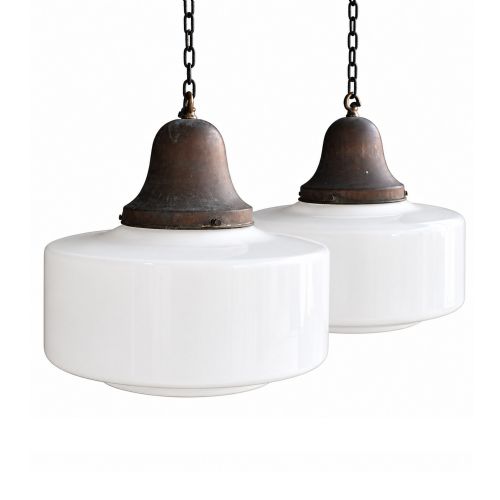
The selection ranges from delicate dresser items like perfume bottles and stem vases to substantial architectural lighting, including wall sconces and pendant lights. Many examples incorporate metals such as brass, chrome, or silver alongside the glass body.
Originating from English, French, Belgian, Italian, and Austrian makers, these pieces reflect regional stylistic shifts from organic floral motifs to geometric lines.
How they were made
Glass production during these periods relied on techniques such as optical blowing, crystal cutting, and acid etching, often pairing lead crystal or opaline glass with metal mounts in brass, copper, or chrome. Makers utilised overlay methods to layer contrasting colours of glass before cutting through the top layer to reveal the hue beneath.
Surface decoration frequently involved silver overlay, enamel work, or frosted finishes, requiring skilled hand-finishing for each matching element in the pair. Metal elements were cast, spun, or patinated to complement the specific tone and style of the glass components.
Vintage Art Glass Pair Retail Price Guide 2026
Typical asking prices for vintage art glass pair among the pieces listed under this phrase on Sellingantiques today, from the lower quarter to the upper quarter. They describe what is for sale here now, not the wider market.
What varies in quality
The distinction between standard production and superior craftsmanship lies in the precision of the matching and the depth of the material handling. In a high-quality vintage art glass pair, the balance between the two objects remains exact, showing uniform thickness, consistent colour saturation, and precise symmetry in hand-blown or moulded forms.
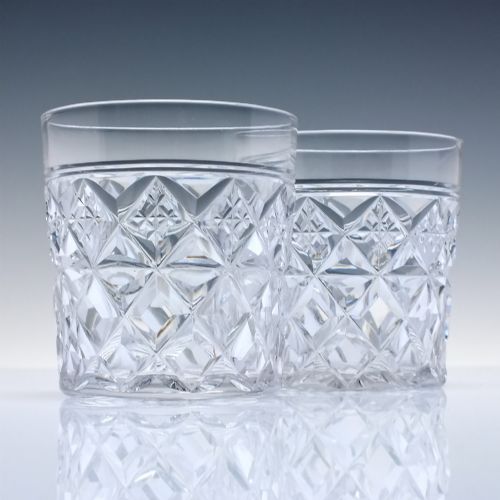
Superior items often feature finer detail in secondary materials, such as heavier gauge brass mounts, intricate silver overlay, or crisper wheel-cut facets on crystal. Lesser examples may exhibit minor discrepancies in height, weight, or colour density between the two pieces due to less stringent workshop tolerances.
Kralik·Walsh and Walsh·James Powell·Maison Bagues·Gorham·Baccarat·R Lalique·Val St Lambert·G Vallon·Schneider·Theresienthal·Moser·Karl Palda
The Vintage Art Glass Pair Glossary
- Art Deco
- A design style of the 1920s and 1930s characterised by streamlined geometric shapes, stylised motifs, and modern industrial materials. It followed the organic curves of the preceding movement.
- Art Nouveau
- An international style prominent around 1900 inspired by natural forms, sinuous plant tendrils, and asymmetrical lines. It heavily influenced early twentieth-century decorative glass.
- Opaline glass
- A type of semi-translucent white or coloured glass developed in the nineteenth century to mimic porcelain. It accepts gilding and enamel decoration readily.
- Lead crystal
- Glass containing lead oxide to increase refractive index, weight, and clarity. This formulation allows for deeper cutting and sharper facets.
- Iridescent glass
- Glass treated with metallic salts while hot to produce a shimmering, rainbow-like surface sheen. Makers like Kralik popularised this finish around 1900.
Vintage Art Glass Pair: Frequently Asked Questions
How do I style a vintage art glass pair?
Symmetrical placement on a mantelpiece, sideboard, or flanking a doorway allows both pieces to frame a space effectively. Matching wall sconces work well positioned on either side of a mirror or artwork.
Allowing adequate light to pass through transparent or opaline surfaces enhances their colour and texture. Keeping them away from high-traffic edges protects their rims and delicate bases from accidental knocks.
How do I clean vintage art glass safely?
Warm water and a mild, non-abrasive detergent suit most smooth glass surfaces. A soft cloth prevents scratching during drying.
Avoid submerging pieces with metal mounts, silver overlay, or glued components in water. Metal parts respond better to gentle wiping with a dry or slightly damp cloth to preserve their original patina.
Are lighting pairs wired for modern use?
Many period lighting pieces retain older internal wiring from their original installation decades ago. Rewiring by a qualified professional ensures compliance with current electrical safety standards.
Original brass or chrome fixtures can often be retained while updating the internal cable and lamp holders. Consulting an electrician before installation prevents damage to fragile antique glass shades.
How do I distinguish Art Deco from Art Nouveau?
Art Nouveau pieces from around 1900 feature flowing, asymmetrical lines and natural motifs inspired by plants and insects. Surfaces often display organic curves and iridescent finishes.
Art Deco items from the 1920s and 1930s favour straight lines, symmetry, and machine-age geometry. The forms become more architectural, utilising chrome, clear crystal, and stepped silhouettes.