





1930s Art Deco Glassware
These pieces of 1930s art deco glassware bring distinct geometric lines and vibrant colour palettes straight into modern interiors.
1930s Art Deco Glassware
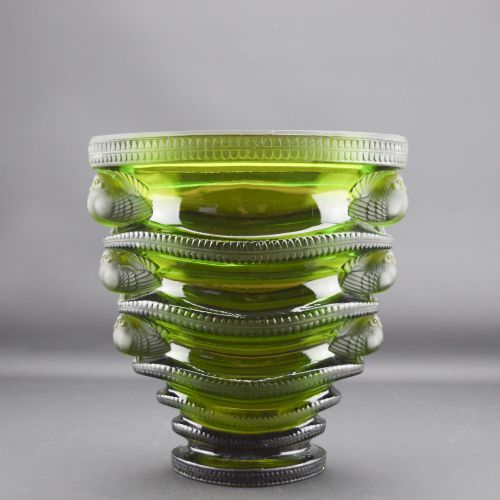
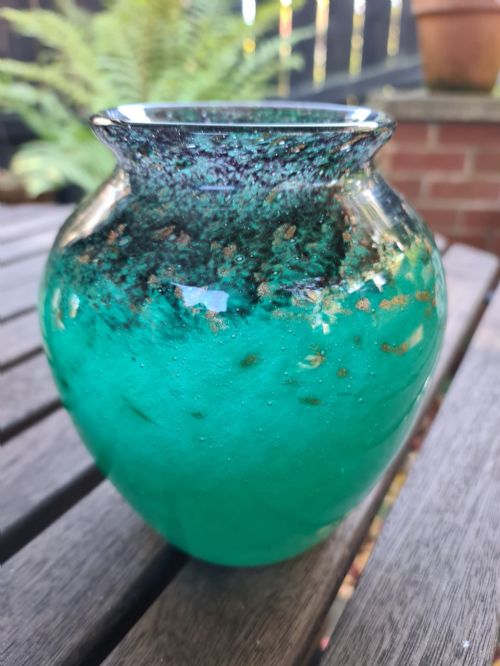
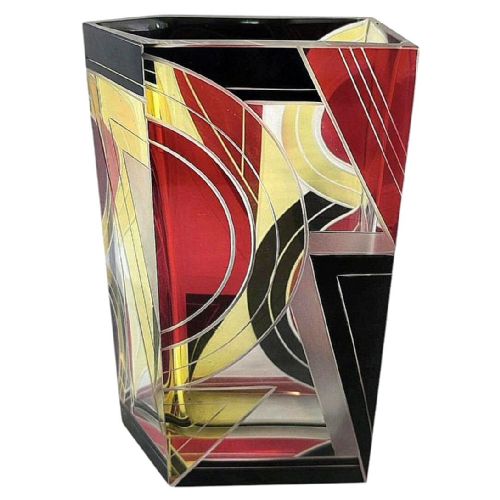
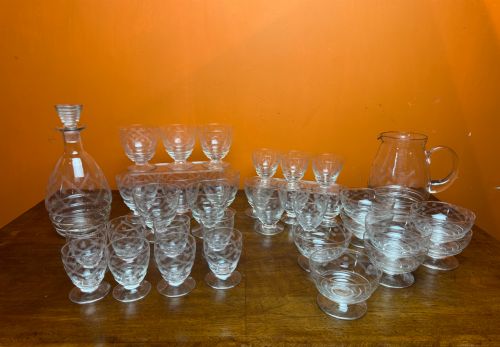
When you search for 1930s art deco glassware, you are looking at functional and decorative vessels produced across Europe during an era defined by bold design. The selections here include vases, decanter sets, decorative bowls, and perfume bottles that capture the spirit of the period.
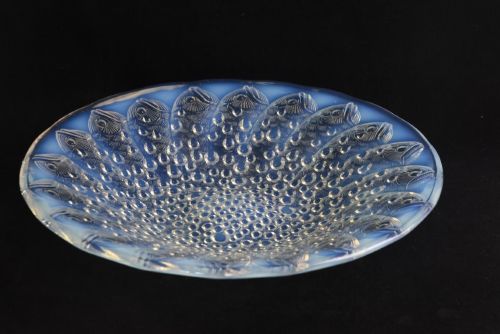
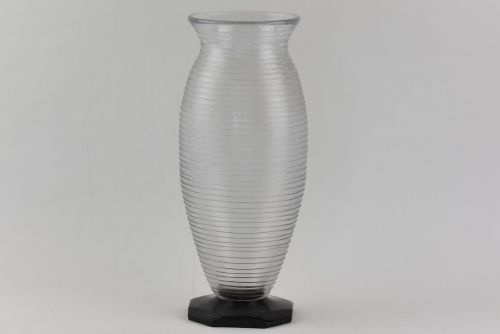
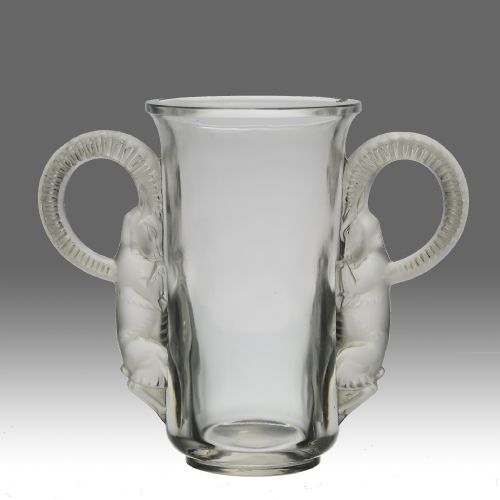
Vases and bowls dominate the inventory, often utilising opalescent or frosted finishes to catch the light. You will frequently encounter French and Czech works alongside English and Scottish productions, each displaying the characteristic motifs of the style.
Materials and production methods
Makers utilised clear glass, lead crystal, and coloured glass enriched with aventurine or enamel decoration. Techniques involved moulding, etching, and cutting to achieve sharp geometric patterns and textured surfaces.
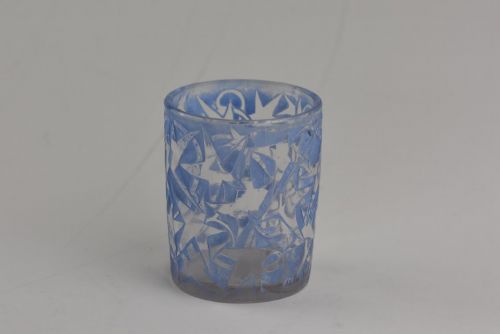
Many pieces combined frosted and clear areas to create depth, while others employed acid etching or surface enamelling to define the modernist motifs characteristic of the decade.
The listings span the 1920s, 1930s, and 1940s, uniting frosted glass, enamel, and aventurine across varied decorative forms.
Distinctions in quality and execution
The sophistication of the mould design and the crispness of the finishing work separate standard vessels from exceptional examples. Deeper relief in moulded pieces and precise control over enamel or etched lines indicate superior workshop standards.
The clarity of the glass matrix and the deliberate integration of coloured layers, such as green over crystal, demonstrate the technical competence behind the individual piece.
Rene Lalique·Karl Palda·Val St Lambert·Libochovice·Etling
The 1930s Art Deco Glassware Glossary
- Opalescent glass
- Glass that milky-blue or white appearance which scatters light differently depending on the angle of view. It was widely used by French makers to highlight relief motifs.
- Aventurine
- Glass containing small metallic inclusions that sparkle when light strikes the interior. It adds a shimmering depth to the body of the vessel.
- Lead crystal
- Glass containing lead oxide that increases weight, brilliance, and clarity. It allows for deep, sharp cutting without fracturing.
- Frosted glass
- A matte surface finish produced by acid etching or sandblasting. This technique creates a tactile contrast against polished or clear areas.
1930s Art Deco Glassware: Frequently Asked Questions
How do I identify genuine 1930s art deco glassware?
Examine the piece for characteristic period motifs, weight, and production marks where applicable. Authentic examples typically display the heavy lead content, distinct moulding seams, or signature styles associated with the era.
Compare the surface texture and colour saturation against known factory standards from the 1920s to 1940s. Genuine items reflect the specific chemical formulations and finishing techniques common to European glasshouses of that decade.
Were these glass items used daily or displayed?
Many objects such as decanter sets and drinking glasses were made for regular dining and entertaining. Their robust construction allowed for practical handling during meals.
Conversely, heavy vases, perfume bottles, and decorative plates served primarily as ornamental items in domestic interiors. Their intricate surfaces and delicate enamel work meant they spent more time on display than in active service.
How should I display these glass pieces at home?
Position them near natural light sources to fully appreciate the qualities of opalescent, frosted, or coloured glass. Sunlight passing through transparent vessels highlights the depth of the material and any etched details.
Ensure they rest on stable, flat surfaces away from heavy traffic areas to prevent accidental knocks. Grouping items by maker or colour palette creates a cohesive display that mirrors the decorative ethos of the period.
What is the difference between moulded and cut glass?
Moulded glass was shaped by pressing molten material into a prepared form, allowing makers to produce complex three-dimensional reliefs and consistent patterns quickly. This method defines many iconic vases and bowls from the era.
Cut glass, by contrast, involved grinding geometric designs into the cooled surface using rotating wheels. This technique yielded sharp, faceted edges and high brilliance, particularly in crystal decanter sets.