
French Decorative Glass
French decorative glass brings together luminous vessels and weighty mounts, offering striking centrepieces and lamps for any room.
French Decorative Glass
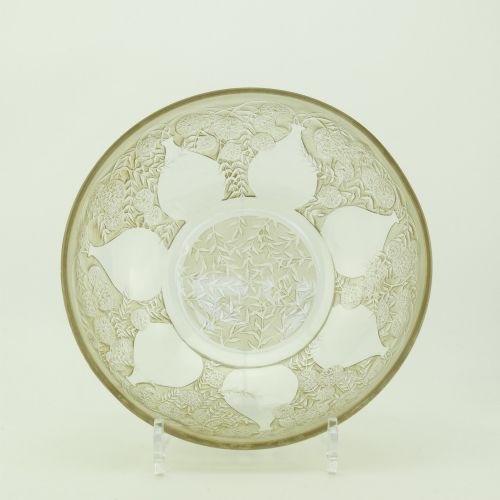
When buyers search for French decorative glass, they encounter items ranging from nineteenth-century moulded bowls to twentieth-century vases and chandeliers. The selection includes works produced across periods spanning the Victorian era through the Art Deco decades.
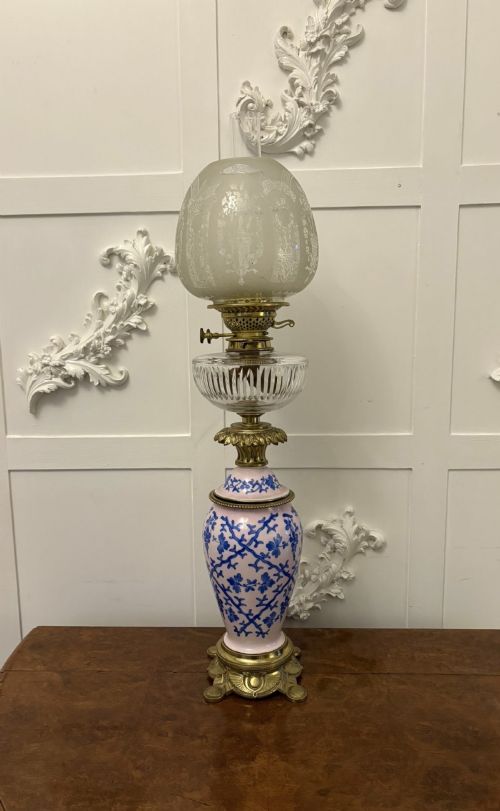
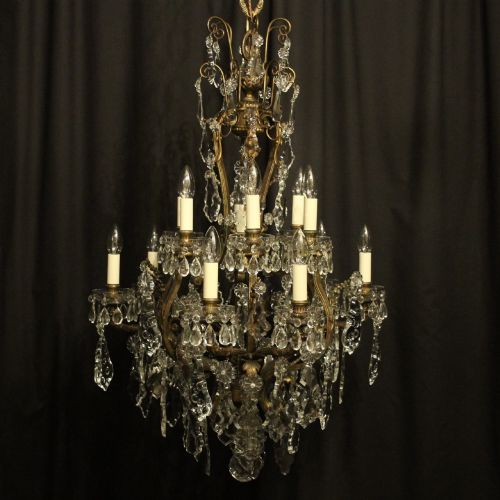
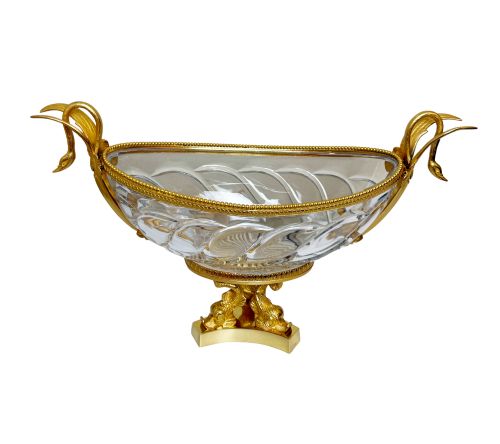
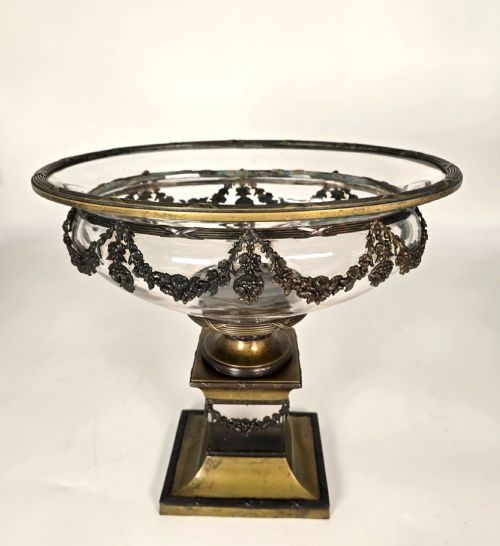
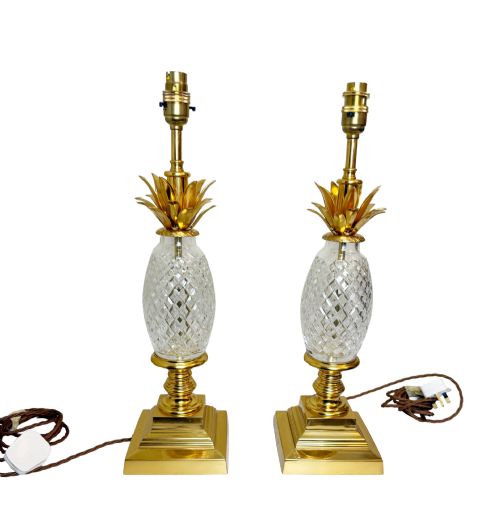
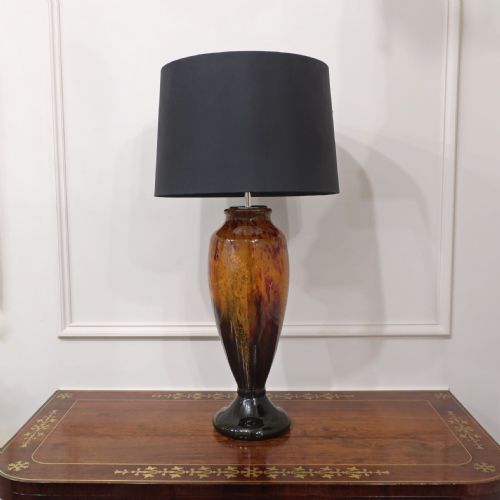
Vessels and lamps form the core of what appears in daily browsing. These functional objects combine translucent materials with metal mounts made of brass, ormolu, and gilt bronze.
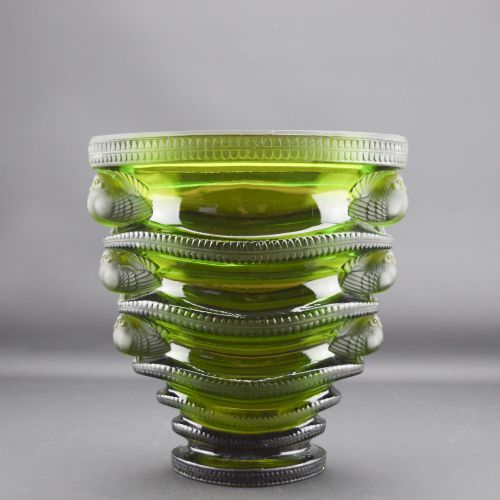
The objects frequently originate from nineteenth-century workshops and twentieth-century studios. Collectors find these pieces in forms such as footed vases, centrepieces, and table lamps.
What varies in quality
The clarity of the material and the precision of the cameo carving distinguish superior items from standard production. Deeper relief work and crisp execution indicate greater skill by the maker.
The integration between the glass body and its metal mount determines the success of the piece. Firm seating and detailed chasing on the bronze or brass elements elevate the overall standard.
French Decorative Glass Retail Price Guide 2026
Typical asking prices for french decorative glass among the pieces listed under this phrase on Sellingantiques today, from the lower quarter to the upper quarter. They describe what is for sale here now, not the wider market.
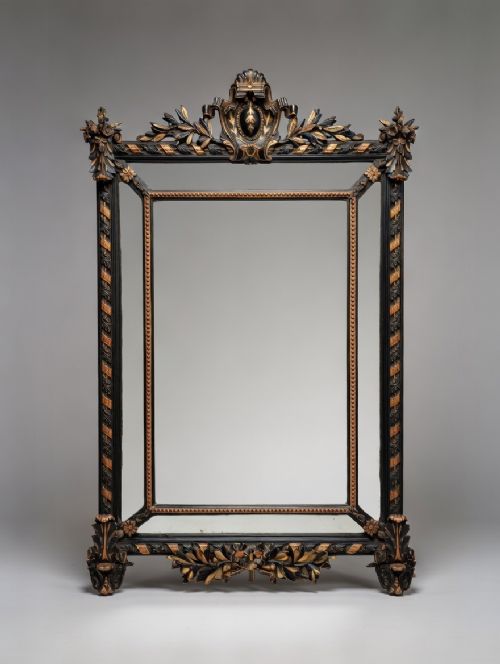
Listings feature glass combined with brass, gesso, gilt bronze, and wood across periods from the nineteenth century to 1930.
Rene Lalique·Daum Freres·Galle·Legras·St Louis
The French Decorative Glass Glossary
- Cameo glass
- Glass vessels made with multiple layers of different colours, which are carved or acid-etched to produce a raised design in relief. This technique creates high contrast between the background and the foreground motif.
- Ormolu
- Gilt bronze mounted on decorative objects and furniture. The process involves applying a gold amalgam to a bronze base.
- Pâte de verre
- A form of glass casting where crushed glass is packed into a mould and fused in a kiln. The resulting pieces display a dense, frosted texture with mottled colours.
- Enamel
- Opaque or transparent vitreous material fused to a glass or metal surface through firing. It adds decorative colour and surface pattern to the piece.
- Gilt bronze
- Bronze metal treated with a thin layer of gold or gold-coloured finish. It provides a metallic accent alongside crystal and coloured glass.
French Decorative Glass: Frequently Asked Questions
What periods do these pieces come from?
The inventory spans the nineteenth century through the Art Deco era of the 1930s. Pieces appear from Victorian times and the Art Nouveau period.
Dates align with major stylistic movements in French design. Workshops produced items under Empire, Rococo, and Neoclassical influences alongside modernist designs.
How were these items used originally?
Many objects served functional roles as lighting, serving dishes, or apothecary jars in period homes. Chandeliers and table lamps provided illumination for dining rooms and salons.
Other items functioned purely as ornamental centrepieces or display vessels. Bowls and vases held floral arrangements on tables and mantelpieces.
What metals are found on these pieces?
Mounts and fittings commonly use brass, gilt bronze, and ormolu. These metals provide structural support and decorative frames for the glass.
Bronze and brass components frequently feature cast ornamentation. They are secured to bowls, lamps, and chandeliers.