

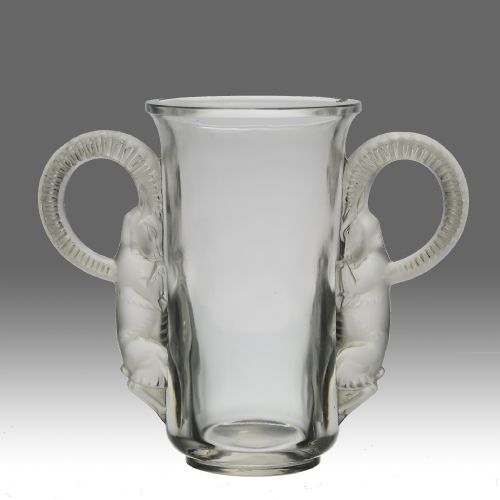


Vintage French Glass Urn
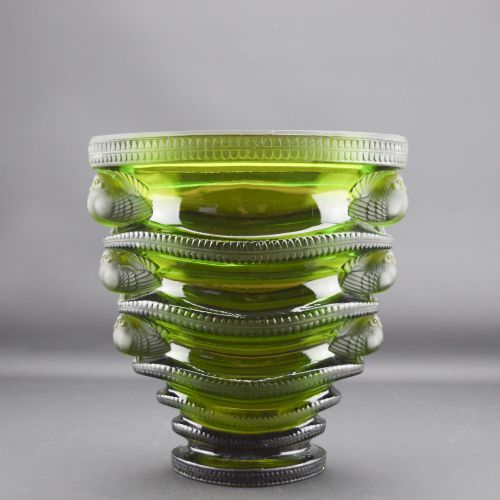
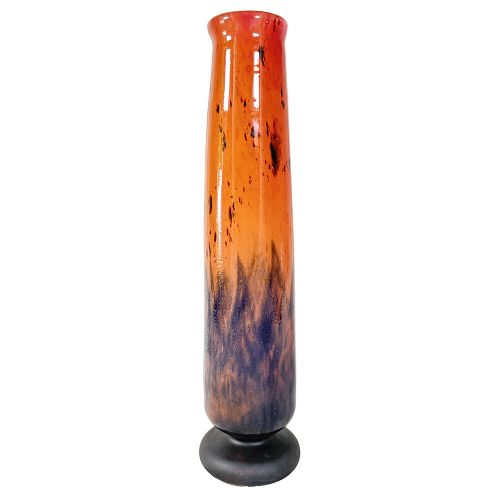
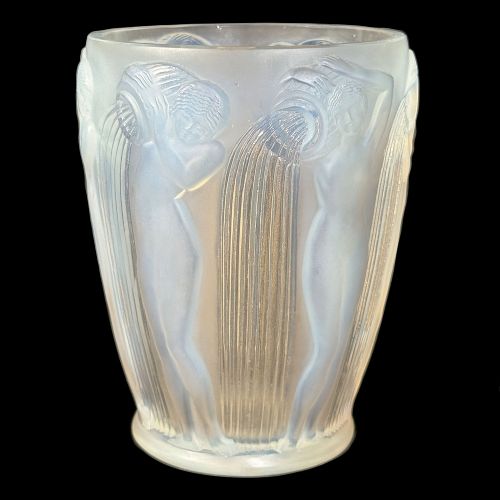
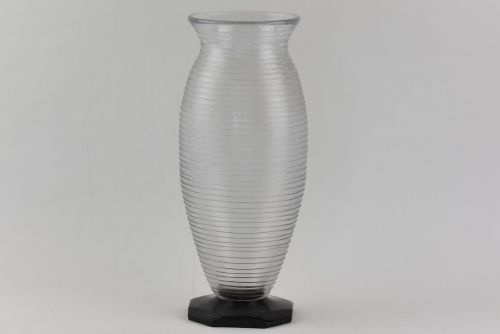
These vintage french glass urn forms combine heavy moulded relief with delicate frosted surfaces, bringing substantial twentieth-century presence to a room.
Vintage French Glass Urn
When searching for a vintage french glass urn, buyers encounter substantial vessels functioning primarily as decorative centerpieces and lamps rather than practical garden vessels. The selection spans the nineteenth and twentieth centuries, capturing the heavy ornamentation of Victorian revivals alongside the geometric discipline of the Art Deco period.
The most common forms on this page include moulded and opalescent vessels designed by prominent glassworks, alongside table lamps and ewers mounted in gilt metal or bronze. Production dates stretch from the mid-nineteenth century through the interwar years, reflecting changing domestic tastes in French interior decoration.
Makers utilised various finishing techniques to create depth, employing acid etching and cameo layering to define floral and geometric motifs. These pieces served as focal points in period drawing rooms and continue to define sophisticated interiors today.
How they were made
Glassmakers shaped these heavy vessels using mould-blowing and hand-blowing techniques, often working hot metal into thick walls capable of supporting deep relief decoration. Frosted and opalescent finishes were achieved through chemical treatments and controlled cooling, creating distinctive milky or translucent optical effects.
Cameo glass pieces required multiple layers of coloured glass fused together before being carved by hand or etched with acid to reveal contrasting designs. Metal mounts in ormolu, gilt bronze, or brass were then fitted precisely to the rims and bases of the finished glass bodies.
The listings span multiple decades, incorporating both nineteenth-century Victorian revival designs and interwar Art Deco opalescent vessels.
What varies in quality
Quality rests in the crispness of the moulded or carved relief and the weight of the glass body. Superior pieces display sharp definition in intricate botanical or figural motifs without blurring along the mould seams.
The integration of metal mounts also dictates standard; heavy, finely chased gilt bronze or ormolu mounts that fit the glass snugly represent superior craftsmanship compared to lighter, plain brass alternatives.
Rene Lalique·Daum·Schneider·Galle
The Vintage French Glass Urn Glossary
- Opalescent Glass
- Glass that has a milky, semi-translucent appearance with bluish highlights under certain lighting. This effect was particularly favored by twentieth-century French designers.
- Cameo Glass
- A vessel created by fusing two or more distinct layers of coloured glass together. The outer layer is then carved away to produce a raised design.
- Ormolu
- Gilt bronze mounts applied to furniture, lighting, and decorative vessels. The technique involves creating a gold-mercury amalgam fired onto a bronze base.
- Acid-Etched
- A surface decoration technique utilising hydrofluoric acid to eat away exposed glass. This method produces soft frosted textures and clean linear patterns.
Vintage French Glass Urn: Frequently Asked Questions
How do I clean vintage glass?
Wash the glass by hand in warm, soapy water using a soft cloth to protect delicate frosted surfaces. Avoid abrasive scrubbers that can scratch the vintage material.
Dry the vessel thoroughly with a lint-free cloth to prevent water spots from forming on the polished or acid-etched areas.
Where should I display these?
Place these substantial vessels on heavy wooden sideboards or mantels where natural light can catch the opalescent and frosted finishes. Ensure the surface is stable and level to support the weight of the thick glass.
Keep them away from direct, harsh sunlight to preserve the integrity of any applied metal mounts or coloured glass layers.
How are lamps converted safely?
Consult a professional electrician to rewire vintage metal-mounted lamps using modern insulated cord and appropriate plug standards. Historic wiring should be replaced immediately to ensure domestic safety.
Retain the original brass sockets and switches where possible to maintain the structural integrity and historical character of the piece.
How do I identify Art Deco pieces?
Look for stylised floral motifs, geometric symmetry, and thick moulded profiles characteristic of the interwar period. Signatures or factory marks etched into the base often confirm the exact period and maker.
Examine the weight and colour of the glass, as interwar French output favoured heavy opalescent or clear crystal with deep, tactile relief.